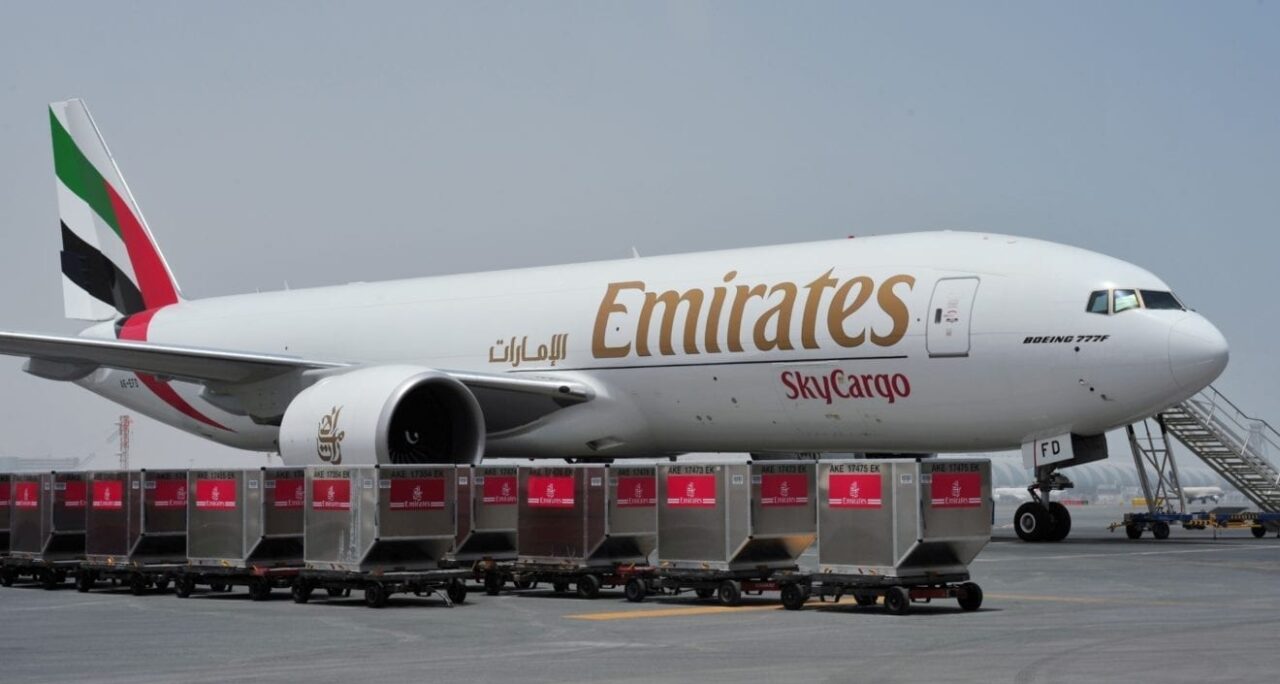
Emirates SkyCargo, the air cargo carrier, has unveiled a strategic expansion plan for its freight services throughout East and Southeast Asia. The move is aimed at enhancing the cargo flight frequencies and destinations to meet the increasing demand. Businesses and manufacturers in East and Southeast Asia are seeking comprehensive connections to rapidly and securely transport their goods to high-demand markets in the Middle East, Africa, Europe, and the Americas.
In the FY 25/26, Emirates SkyCargo transported over 439,000 tonnes of cargo via its freighter and passenger flights from 12 markets in East and Southeast Asia. This reflects a 5% increase in cargo tonnage compared to FY24/25, illustrating the thriving demand from businesses and exporters to transport goods across the globe.
Badr Abbas, Divisional Senior Vice President at Emirates SkyCargo, highlighted the importance of East and Southeast Asia as global manufacturing epicentres. They contribute significantly to the production of high-tech goods, export of perishables, and are a significant origin for global e-commerce flows. He added that by increasing the number of freighter flights and expanding their freighter services, they provide rapid connectivity to ensure swift and safe cargo transportation to customers worldwide.
Emirates SkyCargo plans to double its freighter capacity to Narita Airport in Tokyo, increasing from one to two weekly freighter flights. This expansion will cater to Japan’s robust manufacturing industry, spanning diverse sectors like automotive, electronics, and pharmaceuticals.
The carrier is also escalating its flights to Hong Kong to 37 weekly freighter flights, offering maximum flexibility and choice to customers in this export-led economic corridor. Moreover, Emirates SkyCargo has broadened its reach into Central China with three weekly flights from Zhengzhou, linking the industrial hub of Henan province to Dubai and other destinations.
The carrier has also resumed its freighter flights from Singapore, with a weekly flight connecting to Dubai via Mumbai. This forms a vital trade lane across Asia. Furthermore, Emirates SkyCargo plans to double its footprint in Taiwan, enhancing its service from one weekly to twice-weekly freighters to Taipei, to meet the increasing demand for high-tech electronic cargo movement.
What is the main aim of Emirates SkyCargo’s expansion in East and Southeast Asia?
The primary objective is to increase the freighter flight frequencies and destinations to meet the surging demand for rapid and secure transportation of goods to high-demand markets.
How is Emirates SkyCargo responding to the demand in Japan’s manufacturing industry?
The company plans to double its freighter capacity to Narita Airport in Tokyo, thereby catering to diverse sectors in Japan’s robust manufacturing industry.
What new development has taken place regarding Emirates SkyCargo’s operation in Taiwan?
Emirates SkyCargo intends to double its footprint in Taiwan, increasing its service from one weekly to twice-weekly freighters to Taipei, to meet the rising demand for high-tech electronic cargo movement.