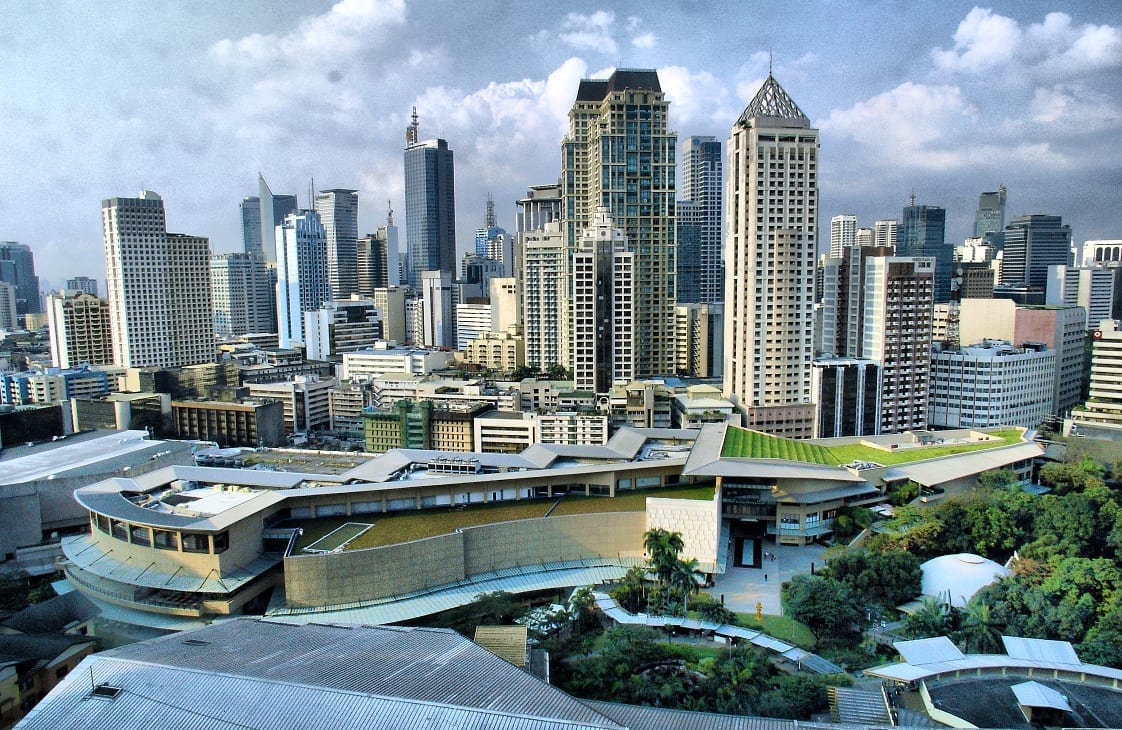
The Philippine government has sanctioned an unprecedented 12% increase in the daily minimum wage for Metro Manila, providing an additional 85 pesos (US$1.4) in two separate instalments beginning later this month. This decision is set to impact over 1.1 million minimum wage workers in Metro Manila with the largest single wage adjustment ever made in the capital region.
The wage hike will be implemented in two parts, with an initial 60 pesos increase on July 19, and a follow-up rise of 25 pesos on January 20, 2027. Once both increases have been fully enacted, non-agriculture workers will earn a daily minimum wage of 780 pesos (US$12.73). The hike also extends to other sectors, with workers in agriculture, service and retail establishments employing 15 or fewer staff, and manufacturing companies with fewer than 10 workers experiencing a 13% increase to their daily minimum wage, reaching 743 pesos.
The adjustment comes at a time when the price of fuel and basic goods in the Philippines have surged since March, due to the conflict between the U.S. and Iran. This has consequently escalated inflation and diminished consumer purchasing power.
Inflation in the Southeast Asian nation decreased to 6.8% in May from a three-year peak of 7.2% in April, though it still considerably surpasses the central bank’s maximum target of 4%.
Metro Manila, which is composed of 16 cities, currently holds the record for the country’s highest legislated daily minimum wage. According to research, the living wage for an average family of five in the capital region is 1,289 pesos.
John Paolo Rivera, a senior research associate at the government-operated Philippine Institute for Development Studies, has expressed that the wage increase will provide “meaningful relief” to workers by “boosting purchasing power in a high-inflation environment and facilitating household consumption.” However, he also cautioned that it could elevate costs for small and medium-sized businesses, which may respond by increasing prices or slowing recruitment.
“The overall effect will hinge on the adaptability of firms and whether productivity improvements accompany higher wages,” he stated. The Trade Union Congress of the Philippines, however, has criticized the two-part implementation and characterized the increase as “grossly inadequate considering the erosion of workers’ purchasing power.”
What is the new minimum wage for Metro Manila?
The new minimum wage for non-agriculture workers in Metro Manila will be 780 pesos (US$12.73) once both increases have been fully implemented.
When will the wage increase take effect?
The wage increase will be implemented in two stages, with the first increase of 60 pesos starting on July 19, and the second increase of 25 pesos on January 20, 2027.
What are the potential impacts of this wage increase?
While the wage hike is expected to provide “meaningful relief” to workers by boosting purchasing power in a high-inflation environment, it may also raise costs for small and medium-sized enterprises, potentially leading to higher prices or slower hiring.