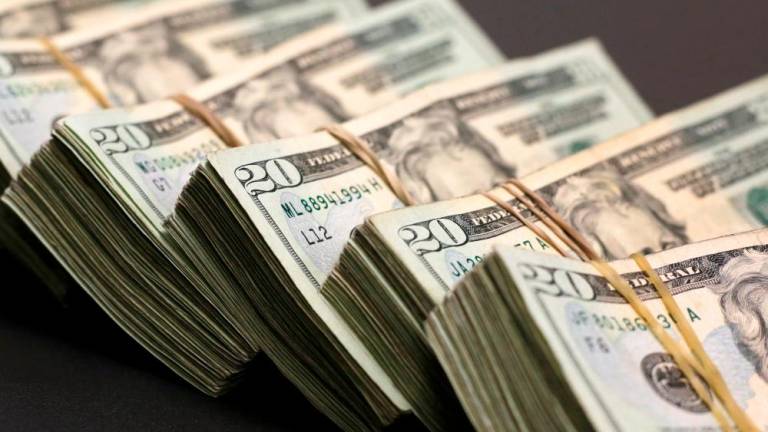
Over the weekend, the U.S. dollar experienced a dip against the Vietnamese dong on the informal currency exchange market. The dollar was traded 0.34% lower at VND26,560 at unofficial exchange points, while Vietcombank maintained its rate at VND26,463.
On the global stage, the U.S. dollar was on track for its most significant weekly loss in 12 weeks. This downturn resulted from a lukewarm U.S. employment report, which led to diminished market predictions for an imminent Federal Reserve interest rate increase. This development brought some relief to the Japanese yen.
The overall weakening of the dollar also boosted the euro, which reached $1.1440, following a nearly two-week high the previous day. The euro ended the week up by 0.5%. Simultaneously, the British pound solidified its position to $1.3352, marking a 1.1% weekly gain, its highest in almost three months.
The increased strength of the dollar also brought relief to the Japanese yen. The yen increased to less than 161 per dollar, a welcome shift after the sudden increase on Thursday, which took the currency from a 40-year low of 162.84 to 161.25. Despite this, market uncertainty surrounding potential intervention risks persisted.
The dollar’s decline came in response to slowed U.S. job growth in June. Further, the reduced payroll gains for the preceding two months triggered traders to scale back on predictions of a near-term Federal Reserve rate increase.
What triggered the U.S. dollar’s dip against the Vietnamese dong?
The dip was triggered by the overall weakening of the U.S. dollar on the global stage, which was a result of a lukewarm U.S. employment report diminishing market predictions for an immediate Federal Reserve interest rate increase.
How did the global dollar weakness impact the euro and the British pound?
The weakness of the U.S. dollar led to the strengthening of the euro, reaching $1.1440, and the solidifying of the British pound’s position at $1.3352.
What caused the shift in the strength of the Japanese yen?
The shift in the Japanese yen was due to the overall increase in the strength of the U.S. dollar, which took the yen from a 40-year low of 162.84 to less than 161 per dollar.