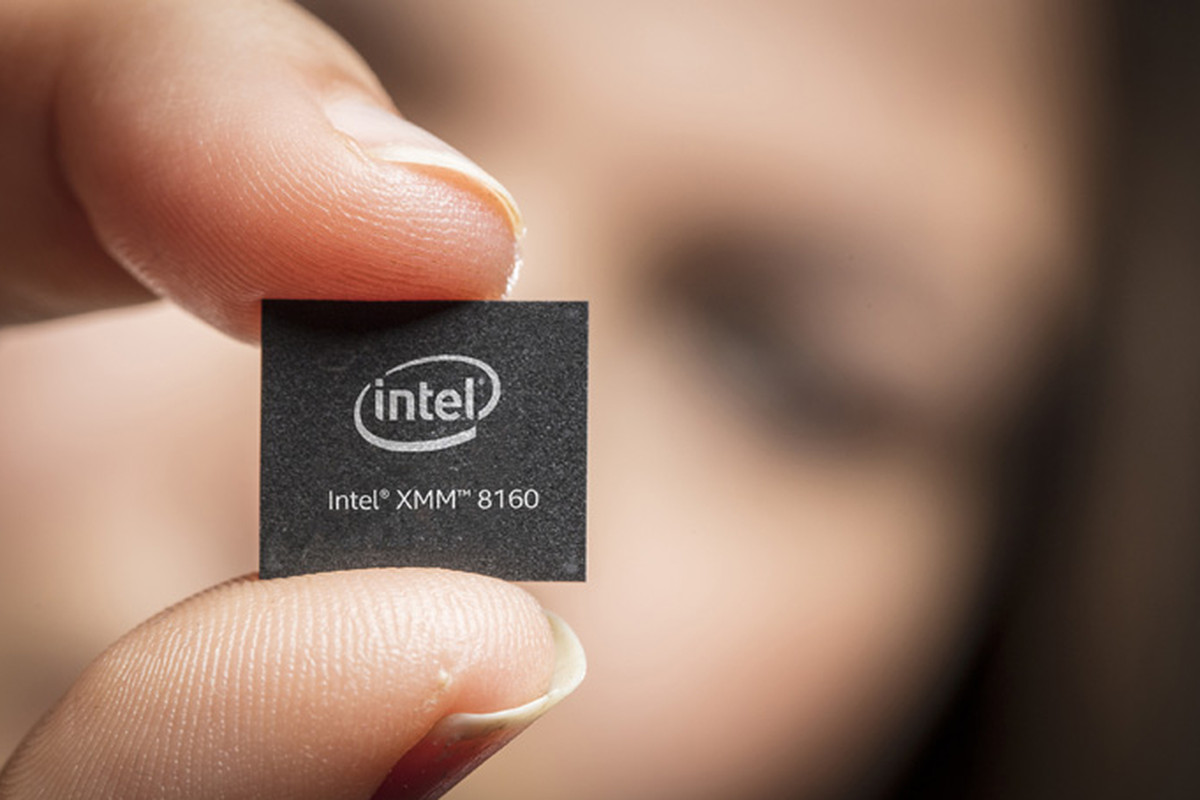
Apple has been known to use its proprietary C1X 5G modem specifically in the iPhone Air, while still utilizing a Qualcomm modem for the iPhone 17 and iPhone 17 Pro. However, indications are emerging that the tech giant is set to alter this approach with the forthcoming iPhone 18.
In a recent move towards an increased use of Apple-manufactured cellular modems across a broader product range, indications are strong that the iPhone 18 and its Pro version will be the next items on the list. Arun Mathias, Apple’s Vice President of Wireless Software Technologies and Ecosystems, hinted at this ambition during a recent dialogue with CNBC.
Mathias responded to queries about the lack of Apple modems in the iPhone 17, 17 Pro, and 17 Pro Max by explaining that the company’s focus had been on meeting the requirements for the iPhone Air. Nevertheless, Mathias added that the iPhone 17 and 17 Pro remain excellent products, and Apple’s proprietary cellular solutions will feature more prominently in future devices. Mathias said, “While our concentration has been primarily on the iPhone Air, we acknowledge the excellence of our iPhone 17 and iPhone 17 Pro. Over time, we anticipate seeing more products equipped with Apple’s cellular solutions.”
Mathias’ statement aligns with emerging speculations that the upcoming iPhone 18 Pro will feature Apple’s 5G modem. This shift presents Apple with an opportunity to gain further control over their devices, potentially leading to multiple enhancements.
Apple has previously used its in-house C1 modem in the iPhone 16e, symbolizing a departure from Qualcomm’s modems. In a curious parallel, Samsung has been providing cellular modems for the Pixel 10 devices, while relying on Qualcomm’s modems for its own Galaxy S25. This might also change with the anticipated Galaxy S26 if Samsung decides to incorporate the Exynos 2600.
While Apple’s move away from Qualcomm is noteworthy, the typical user may not observe a significant difference in connectivity unless there is a major technological advance or failure. This does not render the change insignificant; rather, it suggests that it may not result in any noticeable improvements for the average iPhone user.
Why has Apple not used its own modems in the iPhone 17 and 17 Pro?
Apple’s focus was on the needs of the iPhone Air. However, the company plans to use its own cellular solutions in more devices in the future.
What change can we expect in the iPhone 18 and iPhone 18 Pro?
It is highly likely that Apple’s 5G modem will be used in the iPhone 18 and iPhone 18 Pro, giving Apple more control over its devices.
Will users notice a difference in connectivity with the use of Apple’s own cellular modems?
Unless there’s a major technological development or failure, most users may not notice any significant changes in connectivity.