Over the past few years, the retail industry has endured a whirlwind of transformation, especially in Asia, where adaptation and resilience have been put to the test. Amid the ongoing evolution shaped by technological advancements and shifting consumer behaviors, companies are redefining their strategies to stay ahead in this dynamic sector.
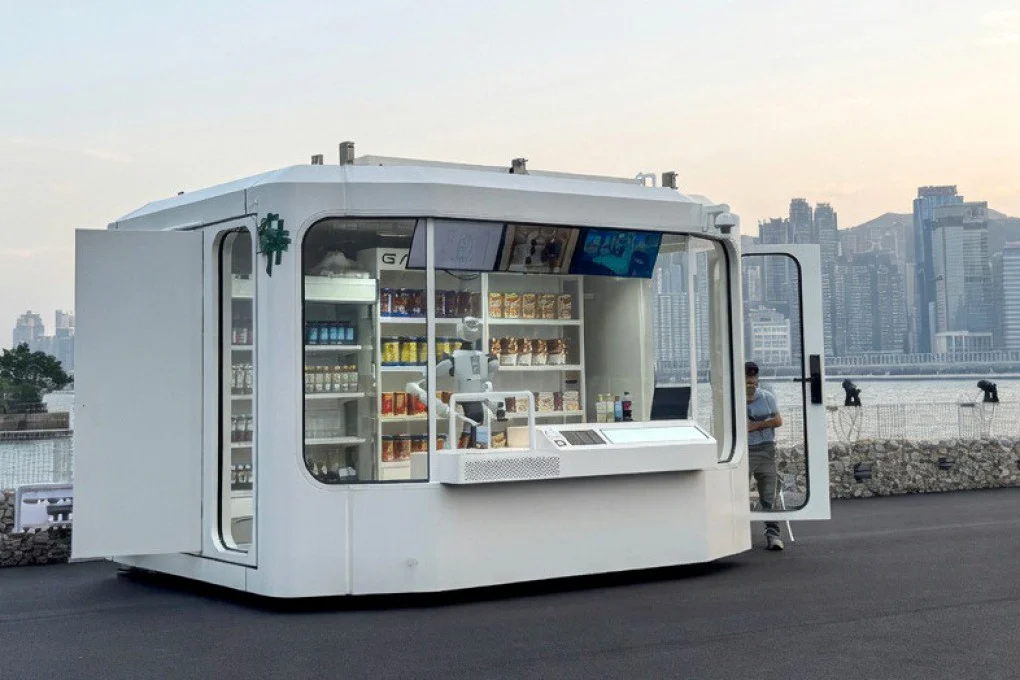
From mobile payments to virtual fitting rooms, technology is not just an addition to retail; it’s reshaping its very foundation. Asian consumers, known for their swift adoption of new digital tools, are now more empowered than ever. Retailers are responding with innovative solutions that enhance in-store and online experiences, appealing to an increasingly tech-savvy audience. Even traditional markets have found ways to digitize their operations, proving that innovation knows no bounds.
Interestingly, amidst all this digital transformation, a few retailers are choosing to go old school—think cash transactions and handwritten receipts. It’s a reminder that sometimes, simplicity holds its own charm.
The luxury retail sector is experiencing rejuvenation as well, particularly in markets like China and Japan. High-end brands are tapping into the growing affluent middle class, curating exclusive experiences that blend both tradition and modernity. Events are no longer just about showcasing products; they’re immersive experiences that engage customers on an emotional level. Whether it’s a pop-up shop in a trendy Shanghai district or an exclusive virtual tasting in Tokyo, luxury retail is all about creating memorable moments.
As environmentally conscious consumers on the rise, retailers are scrambling to adopt sustainable practices. Many are integrating eco-friendly materials into their products and adopting more transparent supply chains. In a climate where shoppers want to know the story behind their purchases, brands that prioritize sustainability aren’t just making a “greener” choice—they’re also amplifying their appeal. Embracing sustainability could spell the difference between staying relevant or fading into oblivion.
As the lines blur between online and offline shopping, retailers are leaning into omnichannel strategies more than ever. The seamless integration of physical and digital platforms is no longer a luxury but a necessity. Consumers expect a consistent experience whether they shop via mobile apps, websites, or brick-and-mortar stores. Retailers that fail to meet these expectations face the risk of losing their customer base to more agile competitors.
While it’s easy to get caught up in forecasts and projections, the heart of retail is still about fostering connections. Whether it’s a brief chat with a store associate or classic customer service, businesses that understand this human element will stand the test of time.
What role does technology play in the transformation of retail in Asia?
Technology is fundamentally reshaping retail by enhancing customer experiences through innovations such as mobile payments and virtual fitting rooms, reflecting the swift digital adoption among Asian consumers.
How is the luxury retail sector adapting to modern consumer demands?
Luxury retail is focusing on creating exclusive and immersive experiences that engage customers emotionally, appealing to a growing affluent middle class in markets like China and Japan.
Why is sustainability becoming increasingly important for retailers?
With the rise of environmentally conscious consumers, retailers are prioritizing sustainable practices and transparent supply chains, as these factors significantly enhance brand appeal and relevance in today’s market.