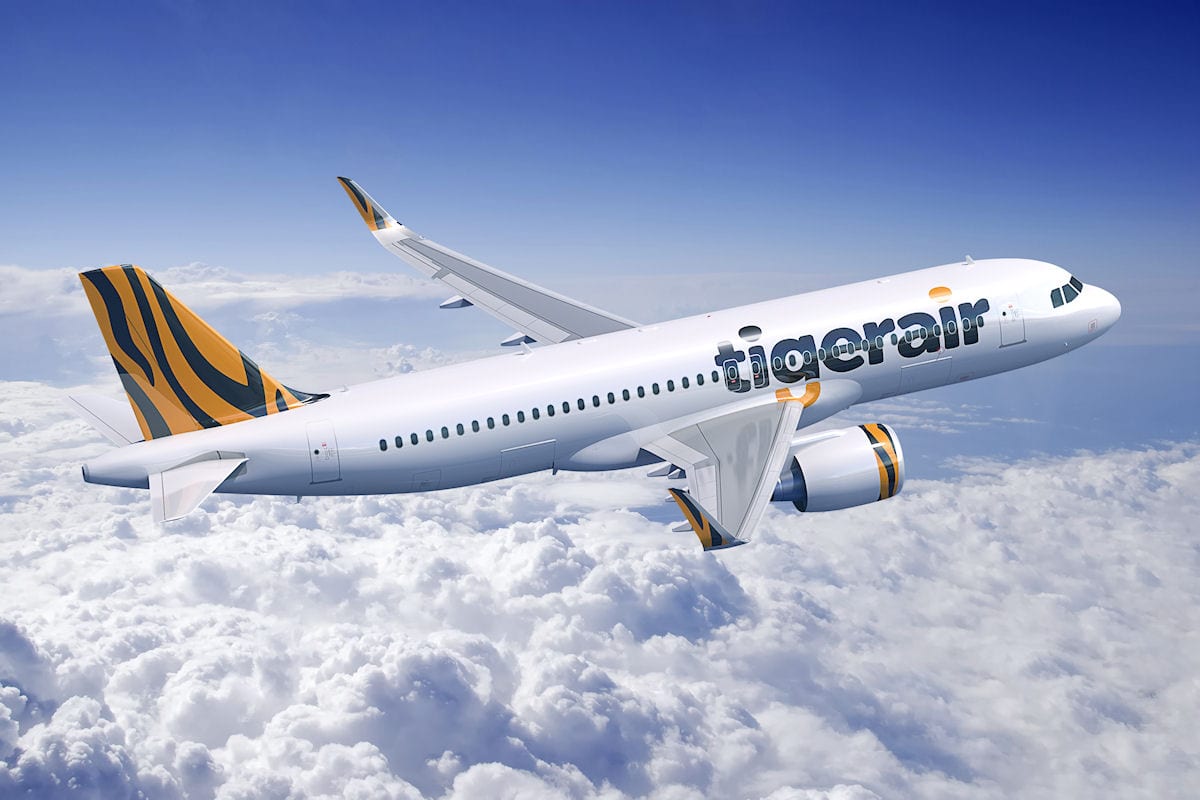
Creating a more simple model was the main motivation behind Singapore Airlines whittling the number of its brands from four – Scoot, Tigerair, SilkAir and Singapore Airlines to just two: Scoot and Singapore Airlines.Singapore Airlines CEO Goh Choon Phong spoke about the reasons driving the consolidation of its brands during a session discussing the portfolio strategy of the airline at the first Skift Forum Asia.
In response to a question from Skift airline weekly editor Madhu Unnikrishnan on the decision to wind down SilkAir, Goh pointed to the fact that SIA at one stage had four airline brands – two low-cost carriers (Tigerair and Scoot) and two full-service airlines (Singapore Airlines and SilkAir) across short, medium and long haul routes. He said, “It was not the most efficient way to address connectivity.”
And so the decision to merge Tigerair into Scoot and SilkAir into Singapore Airlines to “simplify the model”, said Goh.
Asked whether SIA was contemplating a more premium offering under the Scoot brand, Goh said: “Our model is to keep things pure. Singapore Airlines and Scoot offer two ends of the spectrum. We can compete and win in those segments.
“Anyone in between will have a hard time.”
Goh also addressed why SIA first opted to start a low-cost offering. He said: “10 years ago, we realized low-cost carriers were a structural and not a cyclical change.
“We decided to be involved for two key reasons: without a low-cost carrier, we could not participate in that growth.
“Also, they made it difficult for us to operate as a short-haul carrier. There were many hugely successful examples of full-service airlines setting up low-cost options. Most of these were done to serve smaller cities.”
Given Singapore’s city-state status, this was not an option, said Goh, who added that Scoot was created to work as seamlessly as possible with the main brand. It was the right decision on hindsight. Goh pointed out that low-cost carriers now accounted for over 50% of traffic in the region.