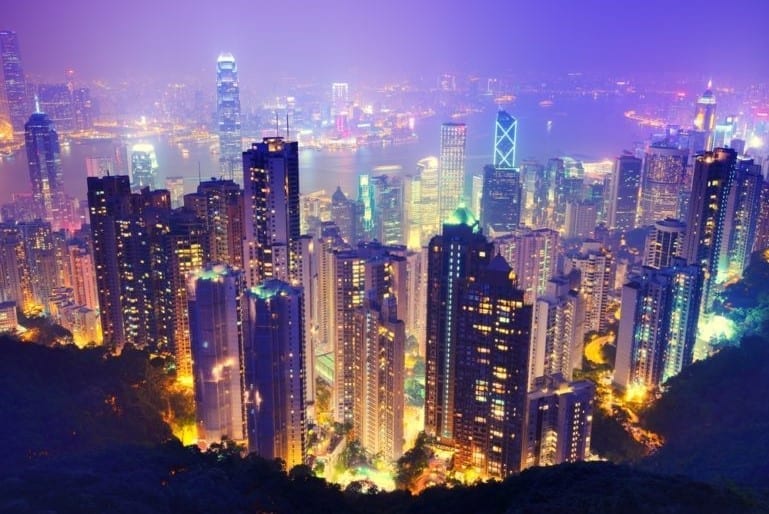
Hong Kong’s robust economic performance earlier this year has culminated in an improved financial forecast from HSBC, despite minimal influence from the Middle East conflict.
HSBC’s Global Investment Research revised its GDP growth predictions for 2026 and 2027 from 2.7% and 2.8% to 3.8% and 3% respectively. This adjustment comes on the heels of Hong Kong recording a first-quarter GDP growth rate of 5.9%, a figure near a five-year high. Essential factors contributing to this positive outlook include the minimal direct effects of the Middle East conflict and evidence of domestic economic stability.
Hong Kong’s economy is primarily service-based. Although most energy is imported, a significant amount originates from mainland China, while only a minor portion is sourced from the Middle East. To offset the potential impacts, the government has introduced direct support measures such as fuel subsidies and tunnel toll concessions. In the midst of increased uncertainty, Hong Kong’s reputation as a safe haven may draw in capital inflows seeking stability.
Moreover, the surge in demand stimulated by advancements in AI and an uptick in trade with mainland China are expected to provide a safety net for trade activities this year. However, if the Middle East conflict continues and suppresses global demand, this could lead to potential economic risks.
As for the domestic landscape, the residential property market’s recovery is creating positive wealth effects, and improvements in the labor market indicate signs of amplified consumption.
HSBC predicts this year’s consumption to gravitate more towards discretionary goods and services. The swift enactment of major government projects such as the Northern Metropolis, in addition to AI-driven demand, will bolster investment activity. Fiscal support through infrastructure bonds and a relatively favorable monetary setting should also aid in maintaining investment momentum.
What factors contributed to the increased GDP growth predictions for Hong Kong?
The first-quarter GDP growth reaching almost a five-year peak and the limited direct impact from the Middle East conflict contributed to the revised GDP growth predictions.
How has the government aided in mitigating the impact of the Middle East conflict on the Hong Kong economy?
The government has introduced direct support measures such as fuel subsidies and tunnel toll concessions.
What is expected to drive consumption in Hong Kong this year?
The consumption shift is predicted to lean towards discretionary goods and services, driven by the positive wealth effects from the recovering residential property market and improvements in the labor market.