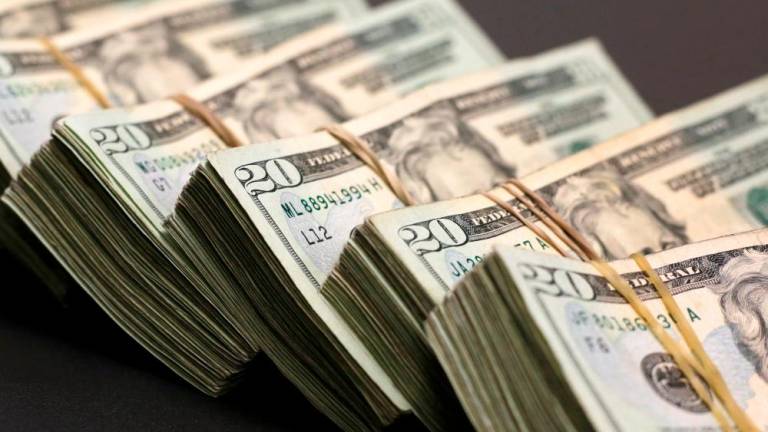
On Wednesday, gold prices in Vietnam witnessed a decline, following a similar downtrend in global bullion rates. The price of gold bars offered by Saigon Jewelry Company (SJC), a major Vietnamese gold retailer, fell by 0.92%, hitting VND162 million (US$6,144.5) per tael. In addition, the price of gold rings slid down by 1.1% to VND161.5 million per tael. It’s worth noting that a tael in Vietnam is equivalent to 37.5 grams or 1.2 ounces.
Globally, gold prices also edged lower on Wednesday. This downward trend was primarily due to rising Treasury yields and a strong dollar, which eclipsed the optimism kindled by the prospect of a potential peace agreement between the U.S. and Iran. Spot gold fell by 0.3%, valued at $4,467.59 per ounce, after reaching its lowest point since March 30 in the preceding session. Meanwhile, U.S. gold futures for June delivery suffered a loss of 0.9%, priced at $4,471.10.
Inflationary pressures stemming from the Iran conflict spurred a selloff in global bond markets. This sell-off drove 30-year U.S. Treasury yields to levels unseen since the precursor period to the 2007 global financial crisis. Concurrently, the dollar floated at a six-week high, making bullion priced in the greenback more expensive for individuals holding other currencies.
Analysts speculate that gold’s current slump could be attributed to the rising yields and the dollar’s strength. Tim Waterer, the chief market analyst at KCM Trade, opines, “Gold is running out of puff somewhat against this backdrop of rising yields, and a dollar which has a spring in its step courtesy of the hawkish shift in the rates outlook.”
What triggered the decline in gold prices in Vietnam?
The fall in gold prices in Vietnam was influenced by the global downtrend in bullion rates, with the price of gold bars and gold rings offered by Saigon Jewelry Company witnessing a significant decline.
What factors influenced the global downtrend in gold prices?
Rising Treasury yields and a firm U.S. dollar were the primary factors that attributed to the global decline in gold prices. The optimism surrounding the potential U.S.-Iran peace agreement was overshadowed by these factors.
What impact did the Iran conflict have on the global gold market?
The Iran conflict led to inflationary pressures that resulted in a selloff in global bond markets. This, in turn, significantly affected the global gold market, driving U.S. Treasury yields to levels unseen since the precursor period to the 2007 global financial crisis.