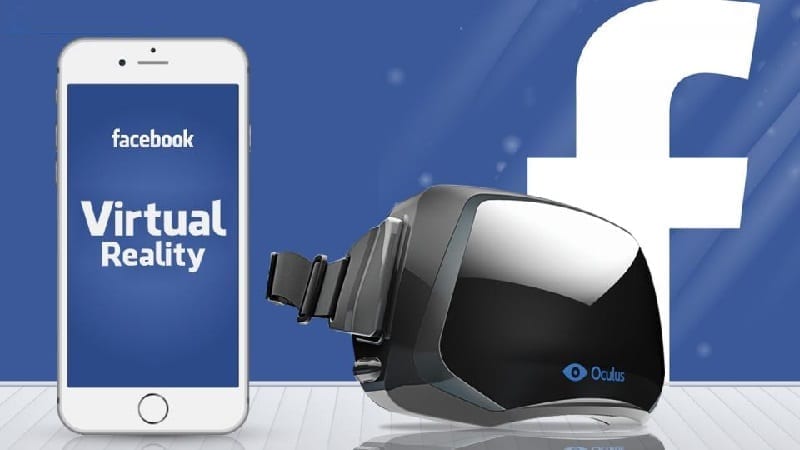
Nearly a decade ago, I was struck by the potential of virtual reality (VR) technology when I had my first experience with an early prototype of the HTC Vive. The dynamics of VR were expected to dominate the tech industry and influence lifestyle on a global scale. However, the present scenario seems to paint a different picture with growing rumors of Apple’s plans to transform the Vision Pro headset into a lighter, more affordable, augmented reality system. This has made me question the success trajectory of VR, a technology that was expected to revolutionize our world.
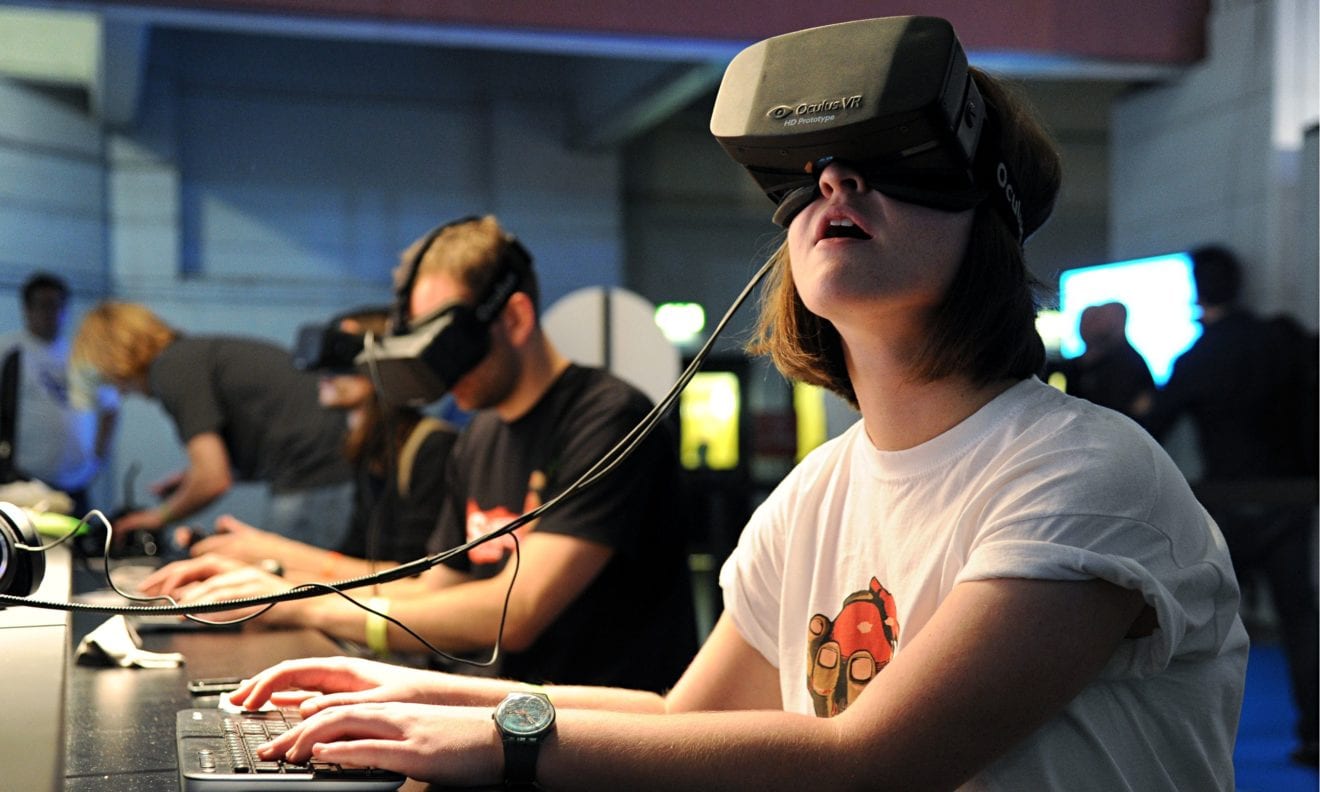
As time went on, some of the issues that initially seemed like minor growing pains have turned out to be significant drawbacks. The most persistent of these is the discomfort associated with VR headsets. The first generation HTC Vive, weighing 470 grams, proved to be quite tiresome to use after just fifteen minutes. This discomfort has only increased with the Apple Vision Pro headset, which weighs between 600 and 650 grams. This weight does not include the additional 350 grams of the battery pack that’s meant to be carried in your pocket.
Another deterring factor is motion sickness, commonly referred to as VR sickness, characterized by symptoms such as sweating and eye strain. Although one can adjust to these physical discomforts over time, the sense of disconnect from the real world remains a significant negative factor.
The high cost of VR technology has been a significant barrier to its widespread adoption. The Apple Vision Pro comes with a hefty price tag of $3,500, whereas the HTC Vive retails for $799. These are not price points that would encourage mass adoption of the technology. To add to this, a report from analyst firm Omdia indicated a 10% decrease in sales of consumer VR headsets in 2024.
Interestingly, there’s a growing skepticism towards VR even among developers. A recent study found that only 13% of developers, who do not currently work in VR, envision shifting their focus to this technology in the next 5 years. This is not a promising figure for the future of VR. The software scene also seems to lack innovative advancements that could make VR indispensable.
The Samsung Galaxy XR headset, which has been leaked extensively, shows the Korean company’s attempt to mainstream the headset Apple Vision Pro couldn’t. However, the Galaxy XR does not seem to offer anything significantly different. On the other hand, Augmented Reality (AR) seems to be making its mark by offering features that are more user-friendly and essential. AR glasses enhance users’ interaction with their environment without the physical discomforts associated with VR.
What is one of the biggest challenges VR technology faces?
One of the biggest challenges VR technology faces is the physical discomfort users experience when using VR headsets for extended periods. This includes motion sickness and the heavy weight of the headsets.
How has the cost of VR technology affected its adoption?
The high cost of VR headsets has been a significant barrier to its widespread adoption. With price points in the hundreds or even thousands of dollars, many potential users are discouraged from purchasing these devices.
What is the outlook for VR according to developers?
A recent study showed that only 13% of developers who do not currently work in VR can see themselves shifting focus to this technology in the next 5 years, pointing to a bleak outlook for the future of VR.