As the conflict in Iran intensifies, both consumers and businesses across Asia are bracing for a potential crisis. The war is causing a squeeze in oil and plastics supplies, leading to an increase in prices on a broad range of products, from ramen noodles to cosmetics.
Choi Gun-soo, manager of a 57-year-old South Korean factory producing plastic films, gives an insight into the harsh realities of the situation. The factory, which caters to farmers for crop coverage and television manufacturers, is dealing with a substantial hike in raw material prices and shortages. Some suppliers have escalated prices by as much as 50%, while others have completely run out of stock. The next couple of weeks are likely to be critical; if the shortage of raw materials continues, it will force a systematic shutdown of the machinery.
While the company has previously managed to survive oil shocks and the Covid-19 pandemic, the current crisis due to the Iran war is unparalleled. Choi shares that they have reduced their production to merely 20-30% of the regular output, marking the first time they have been hit this severely.
A vital cog in the supply chain disruption is the Strait of Hormuz, a narrow water channel off Iran’s southern coast. Around one-fifth of the world’s oil and liquefied natural gas usually passes through this strait. Asia, which is heavily dependent on crude oil, gas, fuel, and fertilizer from the Middle East, is most susceptible to supply disruptions.
Currently, the most critical shortages are in oil derivatives like naphtha, predominantly sourced from the Gulf and used in refineries across Asia to produce plastics and other petrochemicals. These materials are integral to almost every manufactured product.
Prices for essentials of modern life, including plastic and rubber, are reaching record highs. South Korea’s Samyang Foods, the manufacturer of the renowned spicy Buldak instant ramen noodles, warns of a potential shortage of packaging materials and increased costs due to the ongoing conflict.
Rival ramen producer Nongshim is preparing for the possibility of prolonged warfare by maintaining two to three months’ worth of packaging material inventory.
Yonwoo, a container producer for L’Oreal and K-beauty firms like Amorepacific, is scrambling to secure stocks of plastic resin, a key material in manufacturing pots used for skincare and cosmetics. The company fears little visibility on material supply beyond June.
The conflict has instigated fuel shortages worldwide, with businesses ranging from airlines to supermarkets and used car dealers struggling with challenges such as rising costs, weakening demand, and disrupted supply chains.
In Japan, department store operator Takashimaya has expressed concern that if the crisis persists, it could lead to price increases and supply issues spreading to clothing and household appliances.
China, the world’s largest synthetic rubber producer, is also feeling the strain. Shortages of naphtha, essential for synthetic rubber production, are impacting the supply chain and forcing manufacturers of goods like tires and gloves to consider raising prices or shifting to natural rubber.
Liu Chaonan, who owns a toy company that supplies to major U.S. retailer Walmart, revealed the escalating raw materials costs are taking a toll on the toy industry.
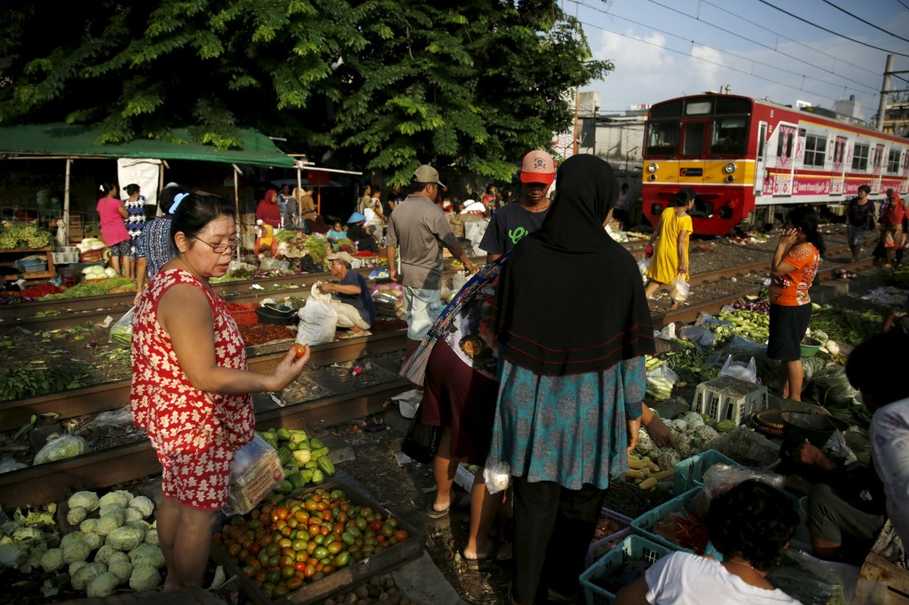
The crisis has also led to panic buying among consumers, resulting in them hoarding goods like garbage bags. With supermarkets reporting shortages and limiting purchases, consumers like South Korean student Ryu June-ho are buying in bulk in anticipation of price hikes.
What factors are contributing to the increased prices of goods in Asia?
Increased goods prices in Asia are primarily due to the ongoing conflict in Iran, which is causing disruptions in oil and plastic supplies.
How is the conflict in Iran affecting industries in Asia?
The conflict is causing a crisis in various industries, including food, cosmetics, and manufacturing, due to increased raw material costs and supply shortages.
How are consumers reacting to the escalating prices and supply shortages?
Consumers are reacting with panic, leading to hoarding of goods such as garbage bags and ramen noodles in anticipation of further price increases and shortages.