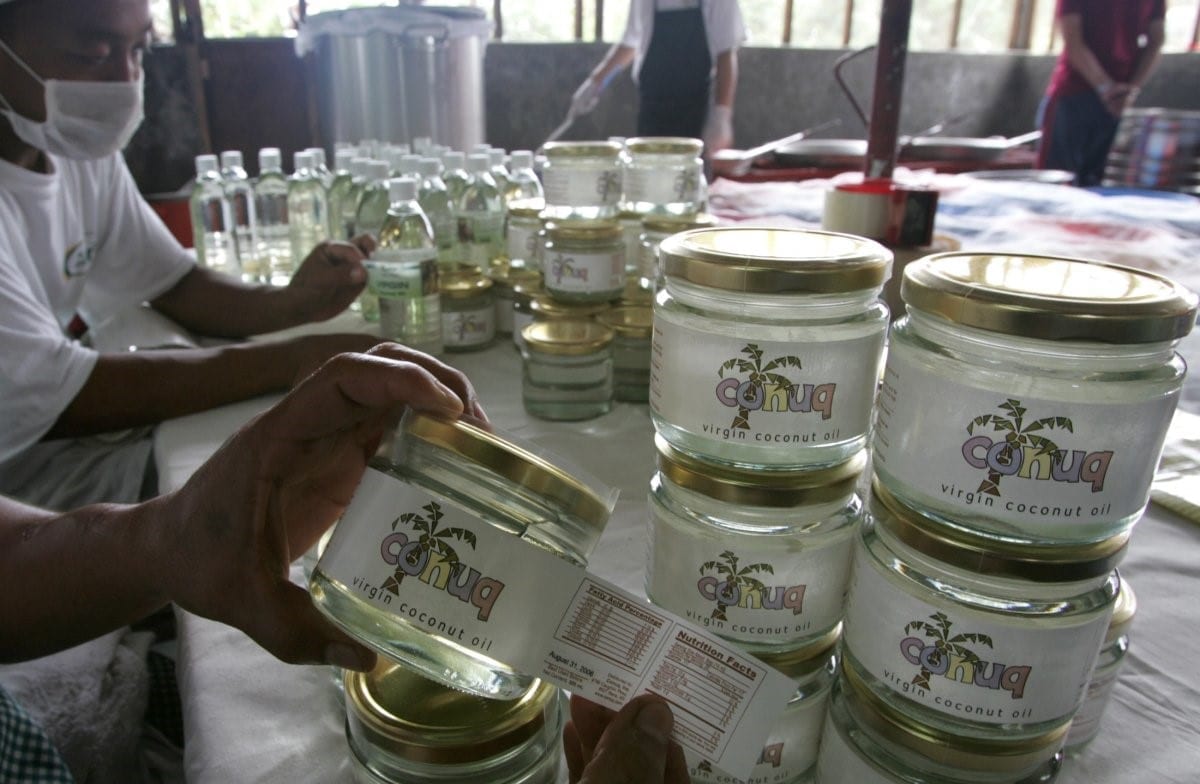
Coconut oil prices are soaring in Asia, spearheaded by India—the largest consumer of the product—which has witnessed a tripling in prices within two years. This is attributable to a combination of supply shortages and burgeoning demand for the nutrient-filled water found within the coconut, elevating this common kitchen ingredient to a luxury commodity.
The escalating prices have put coconut oil beyond the reach of many budget-conscious consumers. As such, those who were once fond of its unique flavor, deeply entrenched in regional cuisines, are now exploring alternatives. For instance, Leelamma Cherian, a resident of Kerala in southern India, has stated intentions to switch to the more affordable refined sunflower oil for day-to-day cooking, reserving coconut oil for dishes where its flavor is critical.
The price increase, which began in the second half of 2024, was further propelled by production interruptions across many of the main producer nations, from India to Southeast Asia. These interruptions were due to seasons marked by decreased rainfall, extended heat, and increased damage from pests and diseases. Prices in India have nearly tripled in less than two years, reaching a record high of 423,000 rupees (US $4840) per metric ton, while global prices have swelled to an unprecedented $2990 per ton over the same period.
The International Coconut Community (ICC), a consortium of producer nations, predicts that the increasing demand amid production restrictions will maintain second-half global prices within the US $2500 to $2700 range, far exceeding the 2023 figure of approximately $1000.
This price surge is also impacting green coconuts harvested for their electrolyte-rich water, and other products such as copra, milk, and powder. It is putting pressure on manufacturers of shampoo and skincare items, who value the oil for its high lauric acid content.
Worldwide, coconut oil production is declining as trees age, replanting efforts fall short, and plantations struggle with a scarcity of superior seed varieties. Weather conditions veering from hot, dry spells to sudden heavy rainfall are also disrupting coconut production. Additionally, the neglect of plantations and unfavorable weather in recent years are likely to hinder a broader production recovery, especially when supplies of other similar lauric oils are limited.
While coconut oil is a favorite among Asian consumers, other coconut products such as copra, coconut cream, and milk, are in high demand in Britain, China, Europe, Malaysia, the United States, and the United Arab Emirates. To seize the opportunity presented by this burgeoning demand, Indonesian farmers are increasingly exporting whole coconuts instead of processing them for their oil.
What has been the impact of the coconut oil price surge?
The price surge has affected a range of related products, including green coconuts harvested for water, copra, milk, and powder. It has also put pressure on manufacturers of hair and skincare products, who value the oil for its high lauric acid content.
Why is coconut oil popular in the market?
Coconut oil is popular for its unique flavor, deeply embedded in regional cuisines, and its high content of lauric acid, which is prized by the hair and skincare industry.
What measures are being taken to stabilize the price of coconut oil?
To stabilize prices, the Association in Indonesia has urged for a suspension of coconut exports for six to 12 months. In India, the Solvent Extractors’ Association has appealed to New Delhi to permit imports of coconut oil and copra.