A customer in Jakarta sees a sofa on a marketplace at lunchtime, saves it, compares finishes on the brand’s website that evening, visits a showroom on the weekend to sit on it, then buys it online the following week from her phone on the commute home. Five touchpoints, two of them physical, three of them digital, spread across nine days. At every one of them, she was looking at images of the same sofa — and if those images did not agree with each other, some of her confidence leaked away at each step.
This is the shape of furniture retail across much of Asia now, and it has quietly turned product visuals from a marketing expense into a piece of retail infrastructure.
Most retail categories survive a weak product photo. Furniture does not. A customer buying a sofa is making a large, infrequent, difficult-to-return decision, and the questions they need answered are exactly the ones a single flattering image cannot address: How big is it, really, against a normal living room? What does the fabric actually feel like? Is that grey warm or cool? Does the modular version come apart the way I think it does? Will it fit up the stairwell of an apartment block?
As furniture retailers expand across ecommerce, marketplaces, showrooms, and reseller networks, working with a 3d rendering company can help them create consistent product visuals before every item, finish, or room scene is physically photographed. The commercial logic is straightforward: the more of those questions the visuals answer, the fewer customers abandon the purchase out of uncertainty — and the fewer who buy, misjudge, and return, which in furniture is an expensive event for everyone.
The temptation is to treat each channel as its own project — the website team shoots one set of images, the marketplace team adapts another, the showroom runs whatever the catalogue provided, the resellers use whatever they can find. The result is a brand that looks slightly different everywhere a customer meets it.
In an omnichannel journey, that inconsistency is felt directly, because customers now move between channels within a single purchase. The sofa on the marketplace should be visibly the same sofa, in the same finish, photographed to the same standard, as the one on the brand site and the one on the showroom screen. Retailers like IKEA have built their Asian growth partly on exactly this kind of coherence between localised store formats and a growing ecommerce presence — the channels reinforcing one another rather than competing.
When the visuals align across touchpoints, each channel builds on the confidence the last one created. When they do not, each channel makes the customer start over.
A furniture brand with forty products can photograph its way to a decent catalogue. A brand with six hundred SKUs — each in several finishes, some modular, some seasonal, some assorted differently for different markets across the region — cannot. At that scale, treating every image as an individual shoot guarantees inconsistency, because the shoots happen at different times, in different conditions, by different hands.
For furniture brands managing large catalogs, finish variations, modular collections, and reseller assets, resources such as https://cgifurniture.com/service/3d-furniture-rendering-services/ show how one visualization workflow can support lifestyle renders, silo images, PDP content, animations, 360° views, configurators, and ecommerce listings. The structural advantage is that the visual standards are set once and applied to everything — a new finish does not require a new shoot, a new market’s assortment draws from the same library, and the catalogue stays coherent as it grows. For a regional retailer adding SKUs and markets simultaneously, that repeatability is the difference between a managed catalogue and a sprawling one.
It is easy to file visual consistency under “branding” and leave it to the creative team. In omnichannel furniture retail, it belongs closer to operations.
The places it breaks are operational places. A marketplace listing that looks cheaper than the brand’s own site, undercutting the premium the brand is trying to charge. A reseller portal full of outdated images showing a finish that was discontinued two seasons ago. Lifestyle scenes shot for one market that look wrong to customers in another. Each of these is a small leak in the brand’s pricing power and trust, and each is fixed not by better taste but by a system: approved assets, current and complete, supplied to every channel that represents the brand.
Furniture customers ask questions that a flat image cannot answer, which is why the format mix matters as much as the consistency.
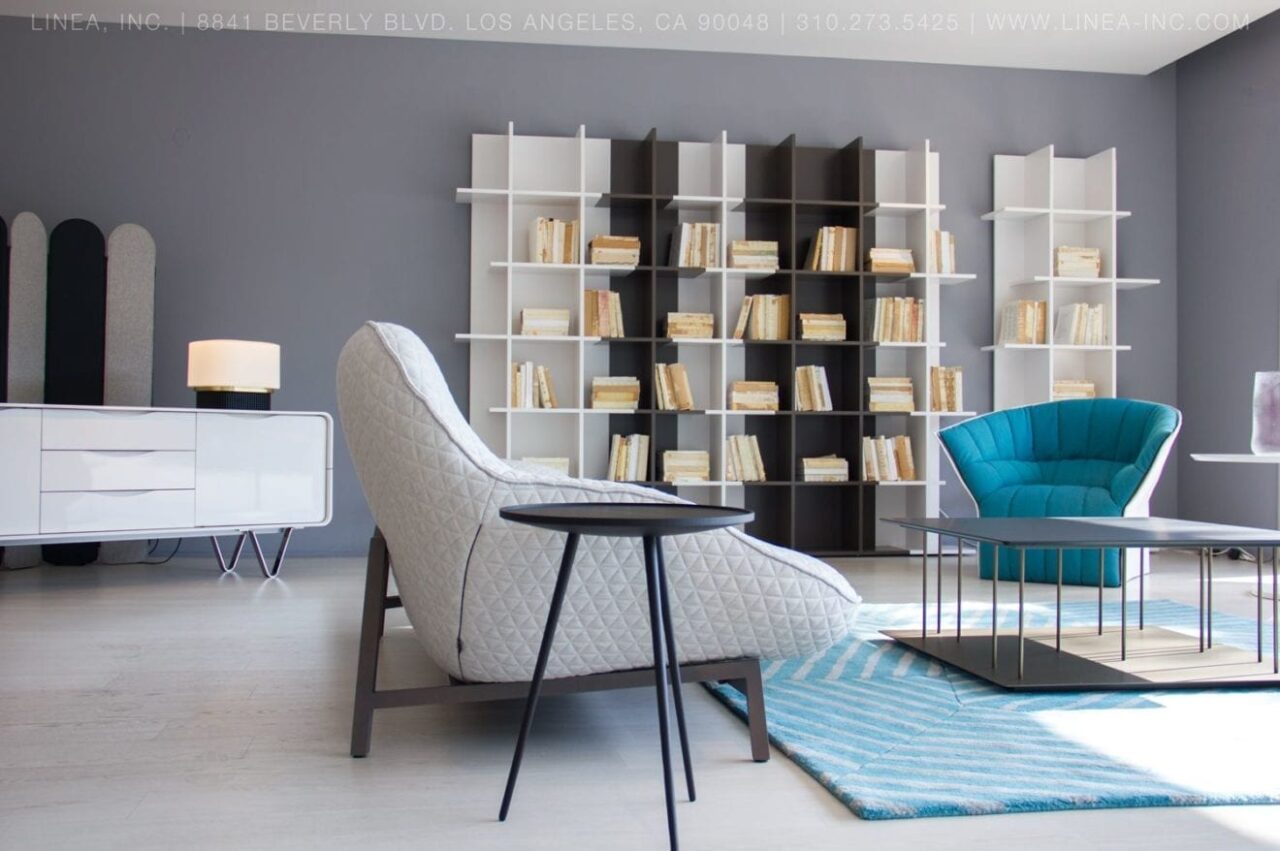
White-background silo images do the clean catalogue work. Lifestyle renders place the piece in a room so customers can judge scale and atmosphere. Close-ups carry the material story — the weave, the grain, the stitch. A 360° view lets a customer inspect the back and sides the way they would in a showroom. AR previews answer the single most common furniture worry by placing the actual piece, at actual size, in the customer’s actual room. Configurators let modular and multi-finish products be explored without a hundred separate product pages. Each format exists because a customer somewhere had a question, and the right format is the one that answers the question that customer is actually holding.
Furniture launches in retail run on a calendar — seasonal collections, regional rollouts, marketplace campaign windows. And the assets are often needed before the products physically exist in quantity: the marketplace listing, the reseller kit, the campaign creative, the showroom screen content, all due before the first container of stock has cleared.
A launch is not ready if its visual assets are not ready, however complete the inventory. Retailers who can produce launch visuals from approved product data, in parallel with manufacturing rather than after it, hit their campaign dates and their reseller-onboarding deadlines. Those who wait for physical samples and photography slip — and a furniture launch that misses its season has missed a meaningful share of its year.
Worth confirming across the team before product visuals publish: Are all priority SKUs visually covered, including the variants? Are the PDP images consistent in standard and treatment across the catalogue? Are material close-ups available for the products where finish drives the decision? Do the lifestyle scenes match the customer the brand is actually selling to in each market? Are the marketplace-specific formats prepared to each platform’s spec? Are the reseller kits current and using approved imagery? Are the launch assets ready ahead of the campaign date, not on it? And for complex modular or multi-finish products, are 360° or configurator assets needed to do them justice?
A gap found on this list is a quick fix. The same gap found by a customer comparing your marketplace listing to your website is a lost sale.
Furniture retailers across Asia are competing in an environment where the same customer will meet a product on a phone, a marketplace, a showroom floor, and a reseller’s page before deciding. Treating product visuals as a reusable asset system — consistent, complete, and ready ahead of need — is becoming part of how that competition is won. The retailers building these systems are not just producing nicer images. They are removing friction from a journey their customers are already taking.