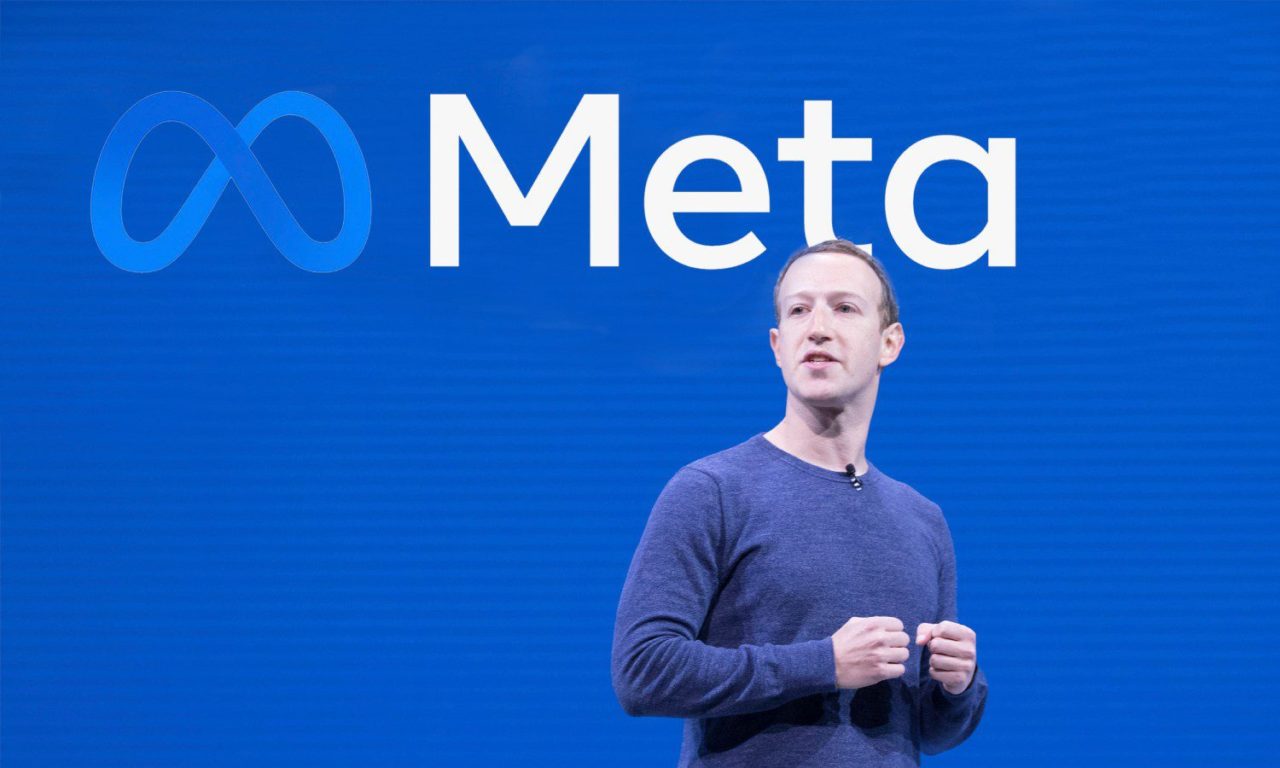
In a significant legal triumph, technology giant Meta saw a favorable ruling from a federal judge in a lawsuit filed by the Federal Trade Commission (FTC). The lawsuit pertained to Meta’s acquisitions of Instagram in 2012 for $1 billion and WhatsApp in 2014 for $21 billion, comprising cash and Meta (formerly Facebook) stock. The final purchase price for WhatsApp had initially been $19 billion, but a surge in the Meta shares propelled it up to $21 billion.
The FTC’s contention was that Meta, which changed its brand name from Facebook in 2021, acquired these two prominent social media platforms to eliminate competition. The regulatory body viewed these acquisitions as possible infringements of anti-trust legislation. The seven-week trial witnessed the testimony from Meta’s founder, chairman, and CEO, Mark Zuckerberg, who posited that Meta faces stiff competition from other platforms such as YouTube and TikTok.
These statements managed to draw the attention of Federal Judge James Boasberg, who in his ruling pointed out that YouTube and TikTok prevent Meta from monopolizing social media. He also highlighted that the dynamics of the social media market have transformed significantly since the FTC’s lawsuit was filed, with AI being the most notable shift. The judge argued that AI-generated content nullifies the FTC’s concerns, concluding that Meta does not hold a monopoly in the relevant market.
Judge Boasberg’s ruling stated that Meta’s apps only account for a “modest share” of the overall time spent on social media, which includes platforms like Facebook, Instagram, Snapchat, TikTok, and YouTube. The judge noted that this share is on a downward trend, and even excluding YouTube’s share, Meta would not constitute a monopoly. Boasberg’s ruling also acknowledged that TikTok, considered by Meta as its primary competitor, managed to penetrate the market a mere seven years ago and has been dominating the sector ever since.
Reacting to the decision, Jennifer Newstead, Meta’s Chief Legal Officer, emphasized the beneficial nature of their products for people and businesses, and their embodiment of American innovation and economic growth. She expressed eagerness to continue collaborating with the Administration and to contribute to the country’s investment landscape.
Meta’s acquisition of Instagram could be regarded as one of the most profitable tech deals in history. Instagram’s current estimated valuation ranges from $441 billion to $538 billion. Initially known for its ephemeral messages, Instagram gained user traction when people began using it to share photos of their meals. Instagram’s popularity soared when it incorporated the ‘Stories’ feature from Snapchat.
Meta argued during the trial that a forced breakup would have been catastrophic for the company. Instagram generates ad revenue for Meta, while WhatsApp provides business subscribers and enhances Meta’s international reputation. Zuckerberg also admitted that Facebook, the company’s flagship platform, is losing popularity. Meta’s argument that regulators had already approved the Instagram and WhatsApp acquisitions when initially proposed was also a crucial point in their defense.
This victory has considerable implications not only for Meta but also for the larger tech industry, as U.S. regulators have attempted to dismantle Google. The tech behemoth has been deemed a monopoly in two cases, one concerning the company’s search engine and the other its online advertising business. Other tech firms such as Apple and Amazon are also facing scrutiny from the government.
Why did the FTC sue Meta over its acquisition of Instagram and WhatsApp?
The FTC claimed that Meta’s acquisitions of Instagram and WhatsApp were attempts to eliminate competition, which they viewed as a violation of anti-trust laws.
What was Judge James Boasberg’s ruling on the case?
Judge Boasberg ruled that Meta did not hold a monopoly in the relevant market. He noted that other platforms, such as YouTube and TikTok, prevent Meta from monopolizing social media.
What is the significance of this ruling for the larger tech industry?
This ruling is significant not just for Meta, but for the broader tech industry. With U.S. regulators attempting to dismantle other tech giants like Google, Apple, and Amazon, this victory could set a precedent for upcoming cases.