Home improvement retail is a sector known for its cyclical nature and susceptibility to shifts in consumer confidence. This is evident in Thailand’s DIY market, Southeast Asia’s largest, which is currently grappling with low consumer confidence, escalating household debt, rising energy costs, and general macroeconomic instability. Retailers are finding their large warehouses less productive, but they continue to add stores. This results in consistent drops in same-store sales and increasingly fierce competition. Profit margins are further threatened by increasing material costs, placing a squeeze on both revenue and net income.
Home Pro and Thai Watsadu are the largest players in this market based on revenue. Home Pro operates 126 stores in Thailand and seven in Malaysia. Despite reporting a decrease of 2.8% in 2025’s annual revenue compared to the previous year, the company is persistently expanding its network of warehouses. The firm’s same-store sales fell by 6.4% and showed weakened momentum during the fourth quarter.
Interestingly, Home Pro asserts its sales growth is sustainable even though it has witnessed successive years of revenue decline. The company’s home services business, however, shows promise, with a growth rate of over 9% in 2025 as customers shift from DIY to DIFY services, which include installation, renovation, maintenance, and repair.
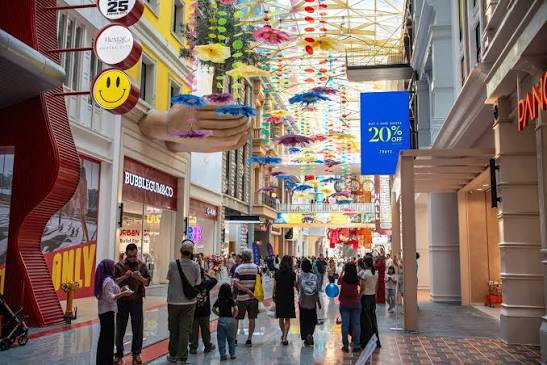
Home Pro also earns rent from its Market Village shopping malls, particularly in popular tourist destinations like Hua Hin, Rayong, and the region adjacent to Suvarnabhumi Airport. However, the current geopolitical instability could impact the influx of tourists, predominantly from Europe, further dampening the outlook for 2026.
Thai Watsadu, a subsidiary of Central Retail Corporation, closely competes with Home Pro. Despite experiencing a similar decline in same-store sales, it is on an expansion spree. The company’s total sales in 2025 matched Home Pro’s at about 70.6 billion baht (US$2.2 billion). Apart from DIY warehouses, the company’s portfolio includes electronics and white goods, office supplies, stationery, and home furniture chains.
At the end of 2025, the Thai Watsadu chain comprised 88 stores, with plans to open an additional three to five locations this year.
Siam Global House operates from the small northeastern provincial capital of Roi Et and is a fierce contender for Home Pro and Thai Watsadu. Despite its vast network of 96 warehouses in Thailand, the company’s revenue decreased by 1.9% in 2025 from the previous year, and its net profit fell by 20%.
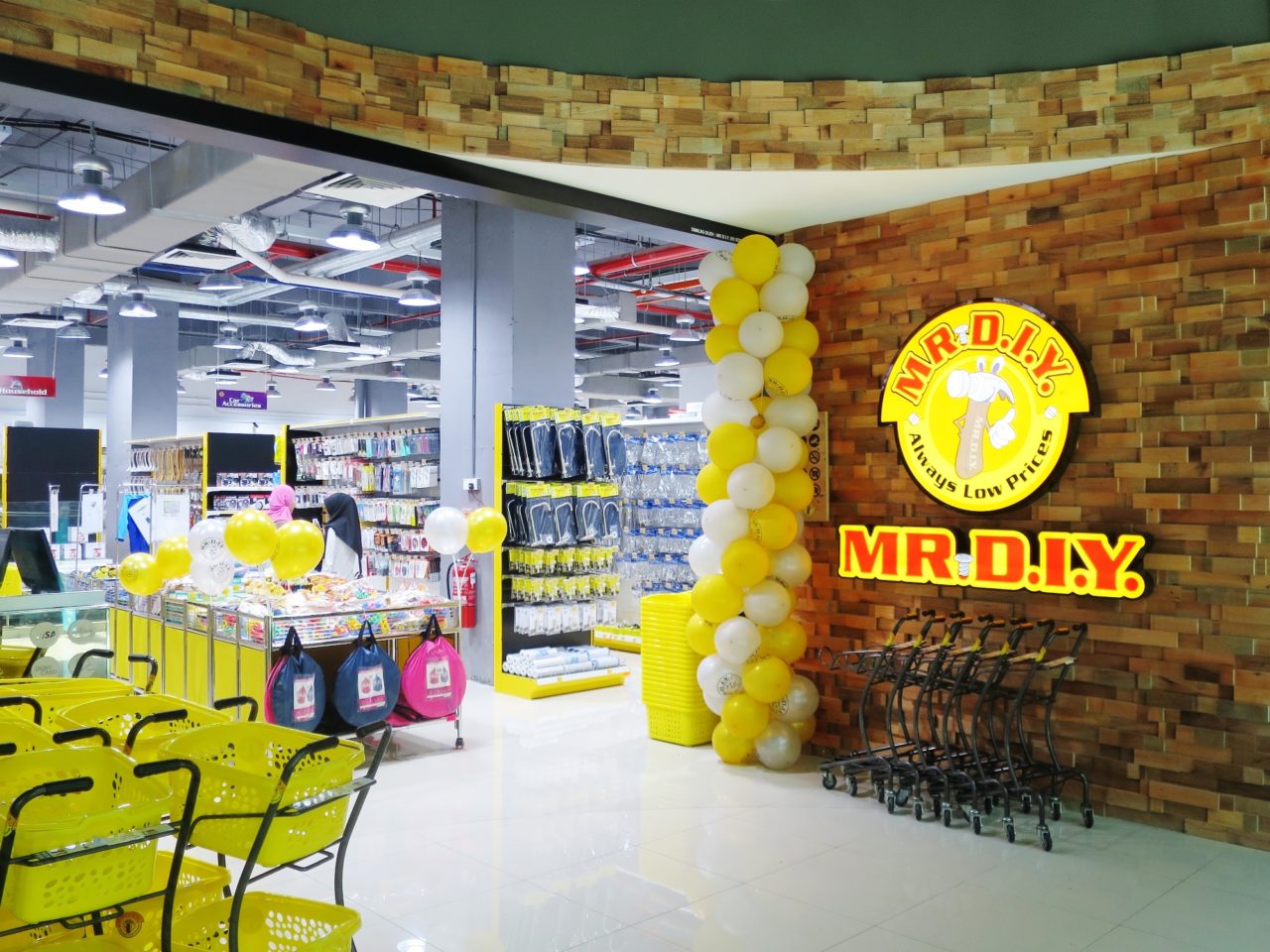
Malaysia-based Mr DIY, with its smaller store formats, appears better equipped to navigate Thailand’s challenging retail landscape in the short term. With more than 2,000 stores across 10 countries, including approximately 900 in Thailand, Mr DIY offers a limited range of DIY goods that can be easily accommodated in conventional malls and high-traffic shopping areas. This strategy provides the chain with a short-term advantage while the weakening economy and geopolitical tensions continue to impact larger home improvement warehouses.
The general outlook for the sector suggests a slower recovery, with rising materials and operating costs on the horizon. Home improvement retailers, who have already weathered the storm of the Covid-19 pandemic and various geopolitical conflicts, will likely have to delay their expected recovery until beyond 2026.
What is the current state of the home improvement retail industry in Thailand?
A: The industry is experiencing a downturn due to weak consumer confidence, rising household debt, and increasing material costs.
What are the business strategies of major players like Home Pro and Thai Watsadu in response to the challenging market conditions?
A: Both companies continue to expand their store networks despite declining same-store sales, with Home Pro also focusing on its profitable home services and mall rental businesses.
Why is Mr DIY potentially better positioned than its competitors in the short term?
A: Mr DIY’s smaller store formats and limited range of goods make it a flexible fit in conventional malls and busy shopping areas, providing an advantage in the current economic climate.