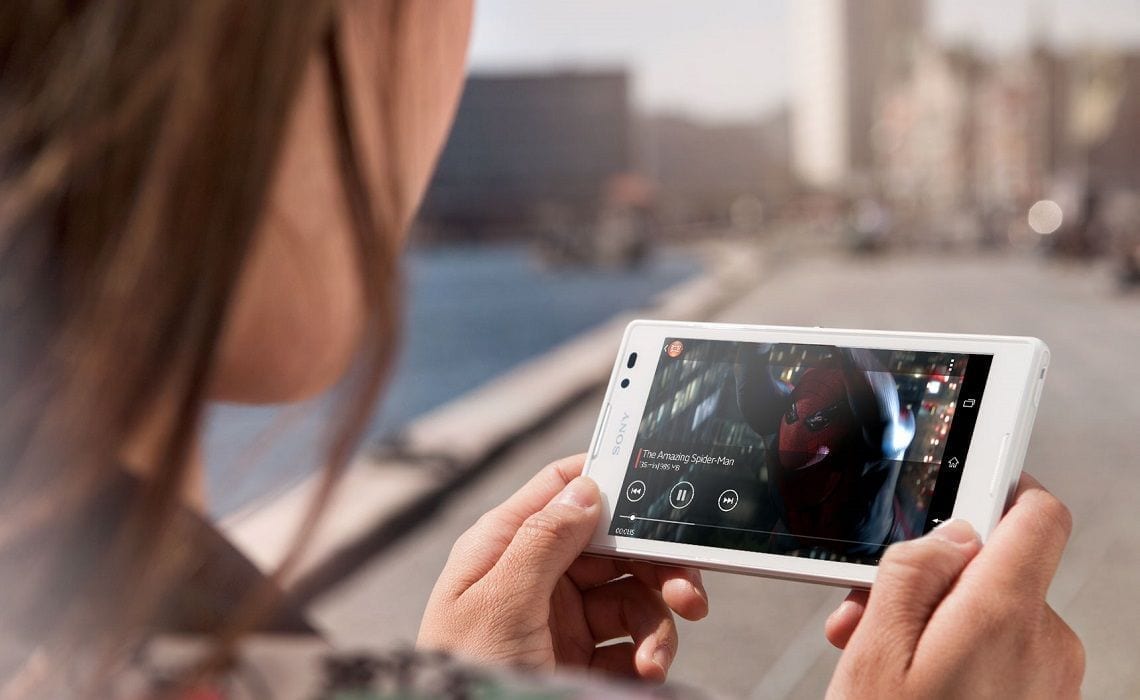
In a groundbreaking initiative, researchers from the University of Tartu Institute of Computer Science have developed an innovative and sustainable approach to tackling electronic waste by transforming outdated smartphones into miniature data centers. This method not only provides an eco-friendly alternative but also reimagines the potential use of these often-discarded devices.
A Surprising Data Solution to E-Waste
With over 1.2 billion smartphones produced each year—most of which are tossed aside within just a few years—this new solution offers a cost-effective and practical alternative to both landfills and the energy-intensive processes of traditional recycling. By removing the original batteries and utilizing external power sources, the researchers have significantly reduced environmental risks while ensuring that the devices can operate continuously.
Innovative Prototyping and Testing
The project features a prototype composed of four interconnected smartphones encased in 3D-printed housings. Remarkably, these devices have been tested in a variety of challenging conditions, including underwater scenarios, where they autonomously gathered and processed data on marine life. It’s a testament to the surprising resilience and adaptability of technology that many might consider obsolete.
Affordable and Scalable for Future Cities
Each repurposed smartphone comes at a modest cost of approximately EUR 8, presenting an affordable option for smart city infrastructures and environmental monitoring systems. This initiative not only facilitates a significant reduction in electronic waste but also emphasizes the immense potential of older devices in fostering sustainable, decentralized networks for data processing. Imagine a future where your old smartphone could help monitor river pollution or track wildlife in real-time—what a twist on the planned obsolescence narrative!
Questions & Answers
How does repurposing smartphones contribute to reducing electronic waste?
Repurposing smartphones minimizes the volume of discarded electronics that typically end up in landfills, while also providing an eco-friendly alternative to energy-intensive recycling.
What are the costs associated with transforming smartphones into data centers?
The conversion of each smartphone into a miniature data center costs about EUR 8, making it an accessible option for various applications in smart city projects.
What are some practical applications for these repurposed devices?
These converted smartphones can be used for environmental monitoring, such as tracking marine life data or monitoring air quality, integrating seamlessly into modern smart city infrastructures.