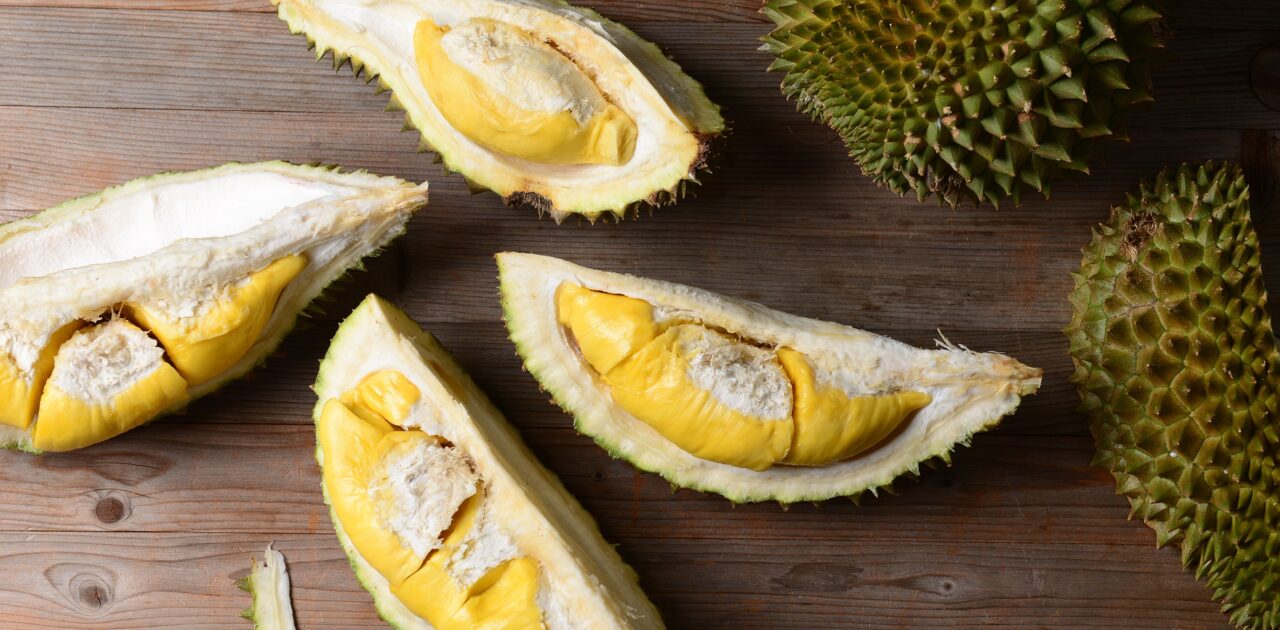
A comprehensive examination of durian cultivation areas and packaging facilities is essential to pinpoint those using prohibited substances, asserted Vu Duc Con, chairman of the Dak Lak Durian Association, in a letter to the Ministry of Agriculture and Environment. He emphasized the necessity of assigning a “red alert” label to facilities found in violation, urging the government to establish a recovery plan that encourages the adoption of safe and sustainable farming practices.
This proposal comes on the heels of multiple warnings from Chinese customs, which have heightened scrutiny since late 2024 regarding cadmium levels in Vietnamese durians—a toxic heavy metal. Moreover, some samples were reported to contain auramine O, a banned additive with potential cancer risks.
The impact on Vietnam’s agricultural sector is stark, with durian exports to China plummeting by 74% year-on-year during the first four months of 2025, totaling just $130 million, according to the agriculture ministry. In response, China has begun testing all shipments for cadmium and auramine O, enforcing strict penalties such as the suspension of codes for related growing areas and packing facilities.
To combat these challenges, the Dak Lak Durian Association is collaborating with official agencies to conduct extensive sampling to detect chemical residues and trace their origins. In a bid to secure its standing in the Chinese market, this prominent durian-growing region in the Central Highlands aims to establish its own quality control standards for the fruit.
Furthermore, the association has called on the government to develop technical standards and adopt rapid on-site testing technologies to ensure food safety prior to exports. In cases of serious safety violations, they advocated for the destruction of contaminated shipments rather than rerouting them to domestic markets, protecting public health and the industry’s reputation in the process.
Currently, Vietnam boasts over 150,000 hectares dedicated to durian cultivation; however, only 20% are certified for export. Many of these farms fall short of regulatory standards regarding pesticides and quality, which hampers their global competitiveness. With China being the largest market for Vietnamese durians—contributing to $3.2 billion in exports last year—maintaining high standards is crucial for the industry’s future success.
As the saying goes, “If you can’t stand the heat, get out of the durian kitchen!”
**What prompted the review of durian farming practices in Vietnam?** The review was prompted by repeated warnings from Chinese customs regarding the presence of cadmium in Vietnamese durians and other unsafe additives.
How much have Vietnamese durian exports to China decreased recently? Exports plunged by 74% year-on-year in the first four months of 2025, totaling just $130 million.
What measures is the Dak Lak Durian Association advocating for? The association is urging for the establishment of technical standards, rapid testing technologies, and strict penalties for safety violations to enhance the safety and quality of durian exports.