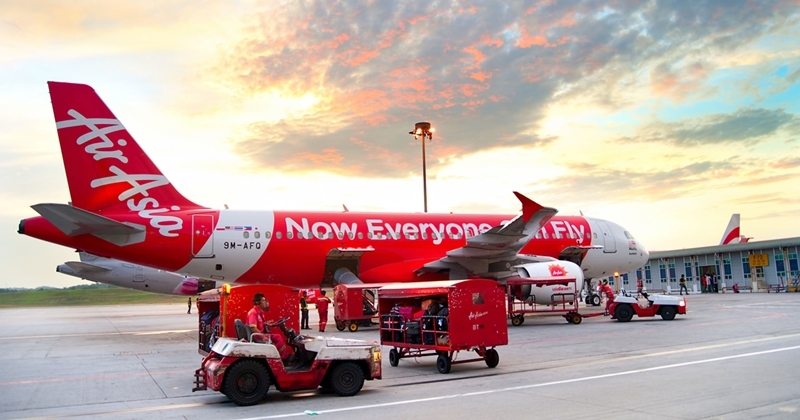
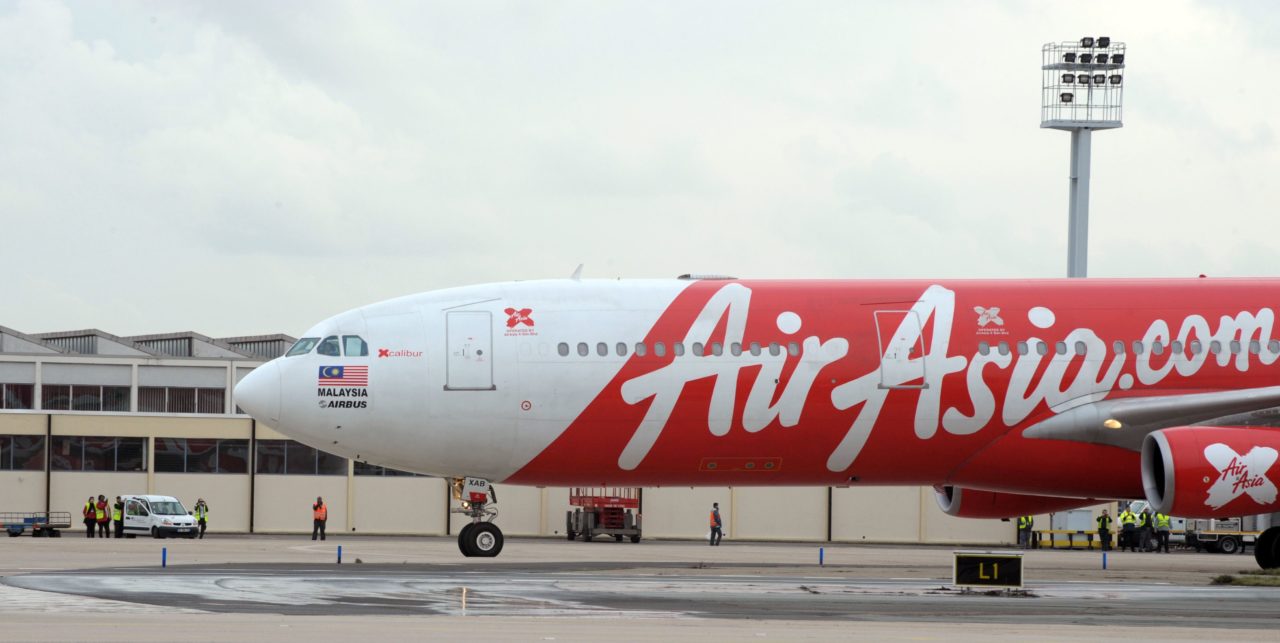
CEO Tan Sri Tony Fernandes recently shared insights about AirAsia’s long-cherished ambitions to penetrate the Vietnamese market, emphasizing the discussions currently in progress, but reminding that agreements can be elusive. “I have long wanted to operate in Vietnam. As an ASEAN airline, it makes sense to be in one of the region’s most promising markets,” he stated in an interview.
In addition to Vietnam, AirAsia is exploring opportunities in Laos and Brunei. Curiously, Myanmar and Singapore remain the only ASEAN markets untouched by the airline’s expansion efforts. On the prospects in Singapore, Fernandes remarked, “I have always fought for operations in Singapore; however, I think we have given up on the plan.” This candid admission reflects the strategic challenges AirAsia faces in one of Southeast Asia’s most competitive aviation hubs.
As Fernandes approaches retirement, he remains resolute in his vision to broaden AirAsia’s regional footprint. “My dream before I leave this job is to be in as many ASEAN countries as possible. I am very keen on Vietnam,” he declared. Operating under investment holding company Capital A, AirAsia already boasts air operator certificates in Malaysia, Thailand, Indonesia, the Philippines, and Cambodia, laying a solid groundwork for ambitious growth.
While specifics remain under wraps, discussions in August between representatives from T&T Group and Capital A with leaders from Quang Tri Province marked a significant step forward. The talks revolved around creating an aerospace industrial complex and urban airport area in the province. T&T Group, with diverse interests in property, agriculture, and infrastructure, aims to establish a comprehensive aviation ecosystem that encompasses logistics and airline operations.
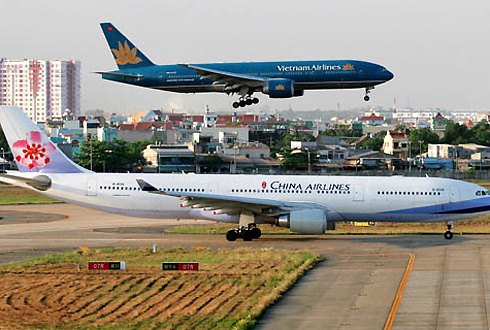
The company is also on track with the construction of Quang Tri Airport, investing over VND5.8 trillion (approximately US$220 million). Currently, AirAsia services international flights to Vietnam from regional countries like Thailand, Malaysia, and Cambodia, but it has yearned to enter the domestic aviation market for two decades. Unfortunately, previous partnerships have not materialized, curiously resembling a romantic chase that ends time and again in the friend zone. The most recent attempt in 2019, when AirAsia and local company Hai Au severed ties regarding their joint venture, was a disappointing turn in its Vietnamese ambitions.
Historically, the airline has engaged with various partners, including Pacific Airlines, Vinashin, and Vietjet, but none have successfully taken flight. Nevertheless, Fernandes’s determination to secure a position in Vietnam signals an unwavering commitment to AirAsia’s future in one of Asia’s aviation leaders.
What challenges has AirAsia faced in entering the Vietnamese market?
AirAsia has grappled with unsuccessful partnerships over the years, including failed ventures with local companies like Hai Au, and has struggled to formalize agreements despite ongoing negotiations.
What are AirAsia’s current expansion plans in ASEAN?
AirAsia aims to extend its operations not only in Vietnam but is also in preliminary discussions regarding market entries in Laos and Brunei, while focusing on tightening its grip on existing operational countries.
How is T&T Group involved in AirAsia’s plans for Vietnam?
T&T Group has been in talks with AirAsia to develop an aerospace industrial complex and airport urban area in Quang Tri Province, contributing to AirAsia’s aspirations to create a comprehensive aviation ecosystem in Vietnam.