
Aldi’s low-cost, no-frills approach has distinguished it in Australia’s hyper-competitive supermarket industry. However, the German supermarket chain is transitioning into a new era that emphasizes comfort, while preserving its fundamental principles.
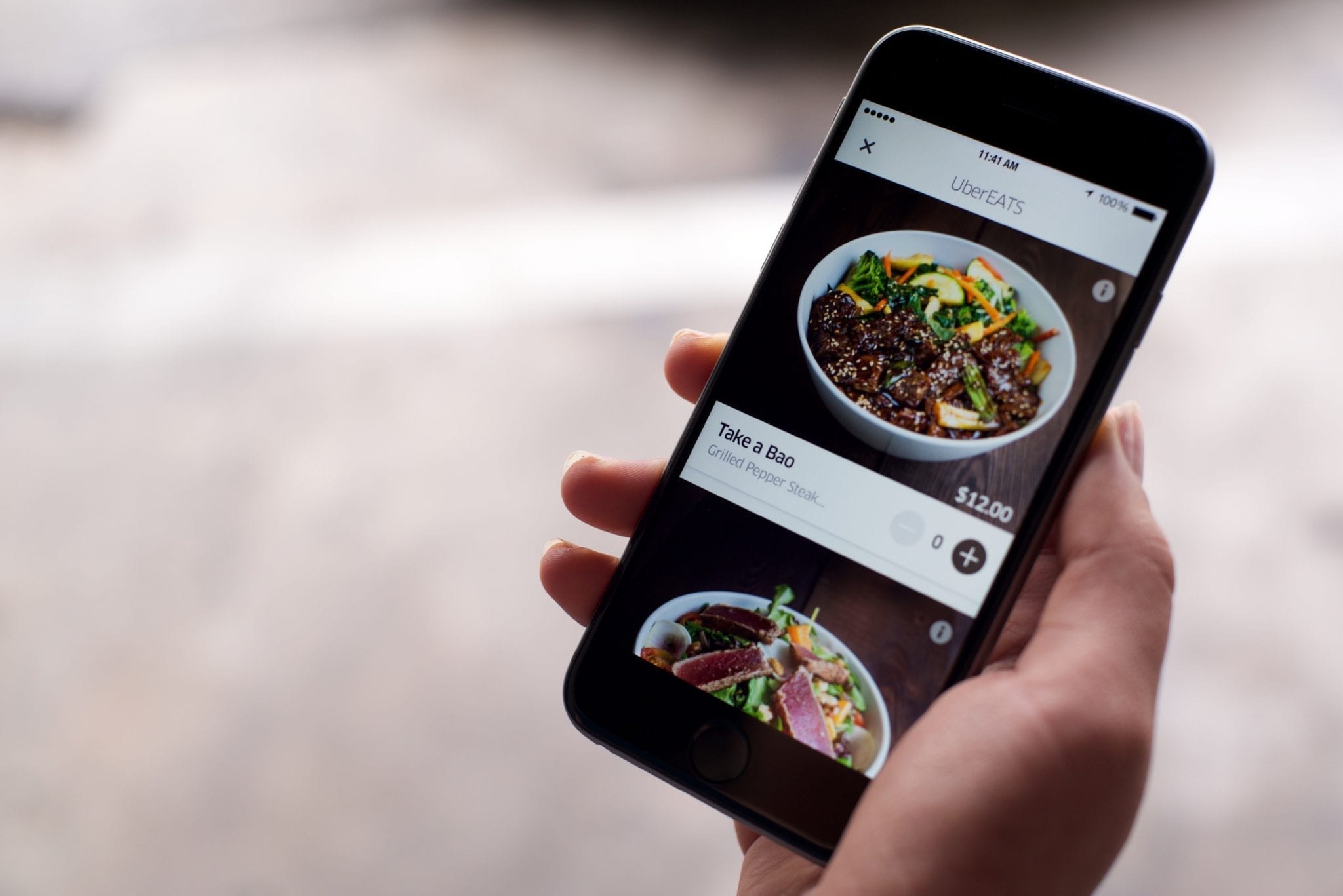
In a surprising move, Aldi Australia is trialling its first grocery delivery service, collaborating with DoorDash to provide on-demand shopping to customers in Canberra.
The pilot program began on July 8, allowing ACT residents to use the DoorDash app or website to order a selection of over 1800 Aldi products. These range from fresh produce and meats to home necessities, all of which can be delivered directly to customers’ homes.
This trial denotes a notable strategic evolution for Aldi, a company that has traditionally maintained a distance from digital channels. It also brings up an intriguing query: how can a brand like Aldi, renowned for its simplicity, adapt to a world where an omnichannel approach is mandatory?
Aldi Australia’s Chief Commercial Officer, Jordan Lack, stated that Aldi’s mission since entering the Australian market has been to offer high-quality groceries at the lowest possible prices for Australian households, and this aim remains steadfast. He expressed his excitement for Canberra customers to shop with Aldi from the comfort of their homes, bringing their “Good Different” shopping experience to a wider audience with the click of an app.
Aldi’s approach to this trial is calculated. Instead of investing in expensive logistics infrastructure or in-house e-commerce capabilities, the retailer has transferred the complexity to DoorDash. DoorDash’s delivery contractors, known as Dashers, will select, package, and deliver orders from local stores. This model enables Aldi to maintain operational effectiveness and cost control.
This third-party approach is capital-light and allows for rapid expansion of the trial if it proves successful, without the strain of warehousing or internal fulfilment logistics.
Teresa Sperti, founder and director of digital consultancy Arktic Fox, believes Aldi’s move into e-commerce mirrors wider changes in how Australians shop for groceries and their expectations from retailers.
On the other hand, Aldi’s decision to partner with DoorDash holds on to its famously lean cost base. However, it also comes with both strengths and strategic limitations.
Aldi’s model may not build the same customer loyalty as major supermarkets that use proprietary data to personalize experiences, and help understand preferences to drive repeat sales. In Aldi’s case, DoorDash owns the shopping basket and the customer relationship, not Aldi.
There are also potential challenges around pricing transparency. Aldi will need to navigate this carefully as historically, grocery and supermarkets offering different pricing in-store vs online, have eroded customer trust.
Unlike its competitors, Coles and Woolworths, Aldi’s digital transition has been slower but seemingly intentional. Aldi’s every digital step, from checkout upgrades to delivery trials, has been meticulously planned and operationally efficient.
Aldi has also been trialing self-checkout kiosks in 10 stores across New South Wales since 2021, indicating another strategic move for a retailer known for thin profit margins and high staff productivity.
Last-mile delivery may attract new customer segments such as busy professionals, young families, and urban residents who appreciate Aldi’s low prices but lack the time to shop in person. By partnering with DoorDash, Aldi can offer convenience without the financial burden of infrastructure.
This trial will not only examine operational feasibility but also gauge customer appetite. It remains to be seen if Aldi can replicate its in-store experience online or maintain its low prices while sharing the margin with DoorDash.
What is Aldi’s strategic shift in Australia?
Aldi has begun a trial of home grocery delivery in Canberra, a notable shift from its traditional approach of keeping digital channels at arm’s length.
How does Aldi’s partnership with DoorDash work?
DoorDash’s delivery contractors, known as Dashers, will select, pack, and deliver orders from local Aldi stores to customers’ homes. This third-party approach enables Aldi to maintain operational efficiency and cost control.
What challenges might Aldi face with its move into e-commerce?
Aldi’s business model may not build the same level of customer loyalty as other supermarkets that use proprietary data to personalize experiences. Additionally, there may be challenges around pricing transparency, an important cornerstone of Aldi’s brand.