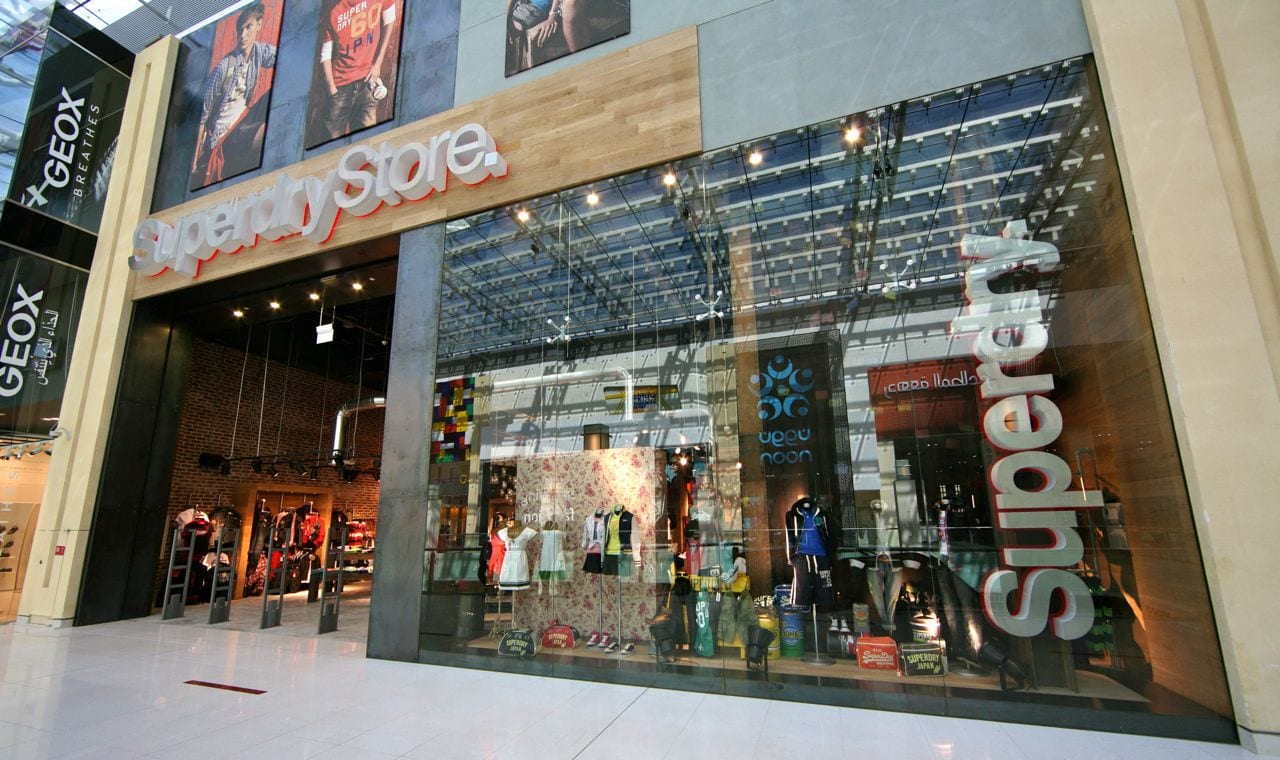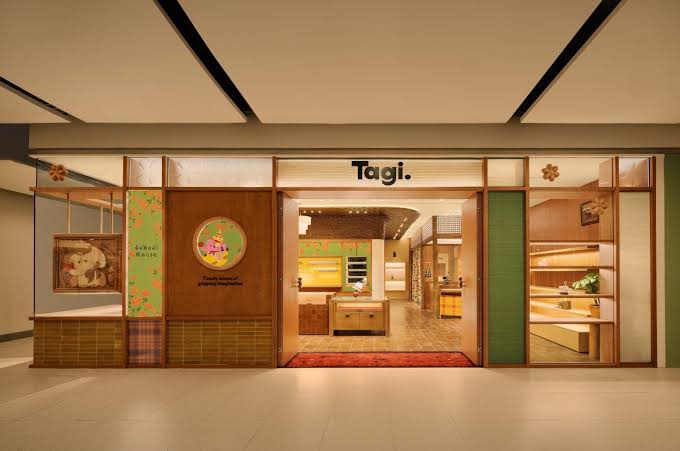
In an ambitious move that could reshape the retail landscape in Asia, Alibaba Group has unveiled its latest venture: a multi-format retail experience designed to blend online and offline shopping seamlessly. This ambitious project embraces the company’s mantra of “retail as a service,” as it looks to transform how consumers interact with brands while navigating an increasingly digital marketplace.
The new initiative, which Alibaba refers to as its “New Retail” strategy, aims to create an omnichannel environment where traditional brick-and-mortar stores and digital platforms operate in perfect harmony. Customers will see a seamless integration of shopping experiences, from smart shelves that provide real-time product availability to interactive displays that offer personalized recommendations based on consumer behavior.
Alibaba’s President, J. Michael Evans, described the project as a “game changer,” emphasizing the importance of tailored experiences in today’s competitive retail market. By leveraging data analytics and artificial intelligence, Alibaba plans to enable businesses to connect with consumers on a more intimate level, ensuring that every interaction feels customized and relevant.
Key to this initiative is a series of partnerships with established brands and startups alike. Notably, Alibaba has joined forces with local enterprises to enhance logistics capabilities and improve supply chain transparency. As Evans notes, “Collaboration is at the heart of what we are doing.” With this mindset, Alibaba hopes to attract partners eager to embrace the changing shopping paradigm and innovate alongside one of Asia’s retail giants.
For tech enthusiasts, the prospect of shopping with augmented reality features is especially enticing. Imagine slipping on AR glasses to browse through a virtual storefront while standing in your living room — it sounds like something out of a science fiction novel but could soon become part of your everyday retail experience.
This innovative push comes at a pivotal moment for retail in Asia, as significant shifts in consumer behavior have emerged during the pandemic. Research indicates that online shopping has skyrocketed, but there’s still a strong desire among consumers for physical interactions. Alibaba’s strategy appears to anticipate this hybrid demand, potentially setting a new standard for how brands engage with their customers in both realms.
The economic implications of Alibaba’s New Retail approach are profound. By creating an ecosystem that fosters growth for businesses of all sizes, Alibaba not only stands to boost its own bottom line but also invigorate the entire retail sector, leading to renewed job creation and economic activity.
As Alibaba propels itself further into the retail future, one thing is clear: this isn’t just about selling products — it’s about crafting a consumer-centric environment that enhances the shopping journey. If executed successfully, it could indeed be the start of an exciting new chapter in Asian retail history.
What is Alibaba’s New Retail strategy?
Alibaba’s New Retail strategy aims to create an integrated shopping experience that melds online and offline retail, utilizing advanced technologies like AI and data analytics to personalize customer interactions.
How is Alibaba partnering to enhance its retail initiative?
Alibaba is forming partnerships with both established brands and innovative startups to strengthen logistics and supply chain transparency, driving collaboration and innovation in the retail space.
What are the potential economic impacts of this initiative?
The New Retail initiative could invigorate the retail sector, boost economic activity, and lead to job creation by fostering a growth-oriented ecosystem for businesses of all sizes in Asia.