Retailing giants in Asia are grappling with the delicate balance of managing supply chain disruptions and keeping pace with ever-changing consumer expectations. As economies rebound from the impacts of the pandemic, retailers are re-evaluating their strategies to navigate an increasingly competitive landscape.
According to recent reports, consumer preferences in Asia are shifting dramatically. In a bid to cater to the growing demand for seamless shopping experiences, retailers are investing heavily in technology. From advanced inventory management systems to mobile payment solutions, the focus is on creating frictionless interactions both online and in-store. “Consumers want convenience; they want it now. If we can’t deliver that, we risk losing their business,” said Mei Chen, a retail analyst in Shanghai.
Another notable trend is the rise of sustainable retail practices. As climate awareness increases among shoppers, brands across Asia are stepping up their efforts to incorporate eco-friendly practices. From sourcing sustainable materials to implementing recycling initiatives, companies such as Tokyo-based Uniqlo are leading the charge toward a greener future. In a surprising twist, some brands are even rewarding consumers for returning items for recycling, turning sustainability into a rewarding experience.
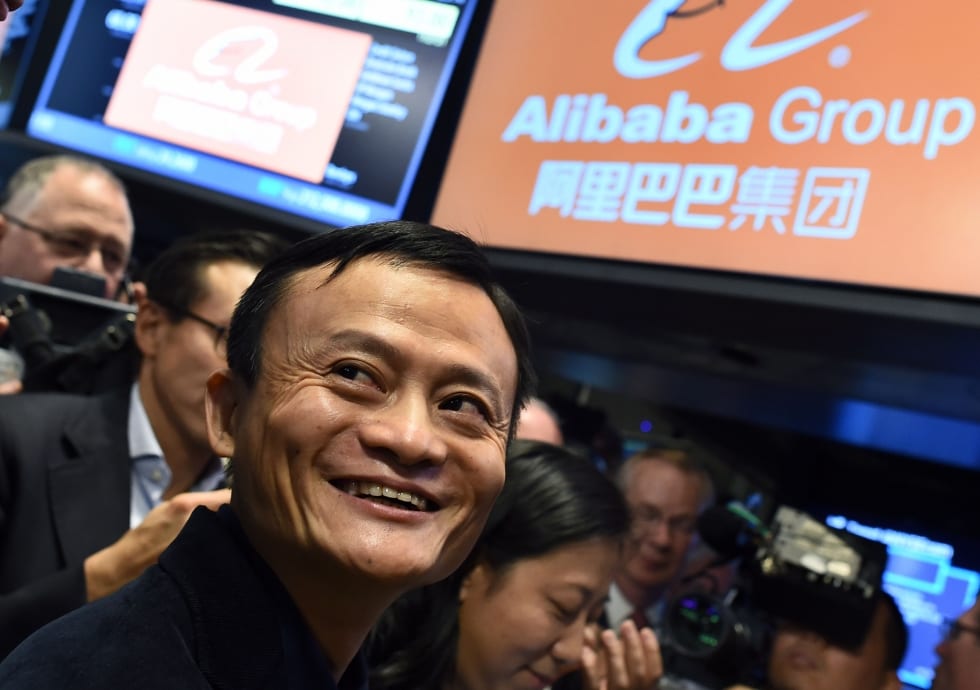
The pandemic may have accelerated the e-commerce boom, but it seems to be here to stay. Data shows that online shopping is now a staple for many consumers in Asia, leading traditional retailers to rethink their brick-and-mortar approaches. As digital giants like Alibaba and JD.com continue to thrive, smaller retailers are also recognizing the need for a robust online presence. “It’s almost as if the physical store has transformed into a showcase, while e-commerce does the heavy lifting,” noted Raj Patel, an analyst based in Mumbai.
In a surprising twist on competition, retailers are increasingly collaborating to enhance their offerings. Partnerships between tech firms and retail giants are blossoming, helping both parties tap into new consumer bases. For instance, the collaboration between a leading grocery chain and a digital health startup has resulted in combined rewards programs that benefit customers on multiple fronts. “We’re no longer just competing with one another; we’re finding new ways to grow collectively,” remarked Jaspreet Kaur, head of retail strategy at a major conglomerate in Bangalore.
The omnichannel retail strategy has become a buzzword, with companies integrating various platforms to enhance customer experience. This strategy not only streamlines operations but also fosters greater brand loyalty. Retailers are realizing that today’s consumers often blend their shopping experiences, moving seamlessly between online and offline environments. “You can’t just be a one-trick pony anymore,” said Chao Wei, a representative for a major electronics retailer in Beijing.
As Asia’s retail landscape continues to evolve, industry leaders face the challenge of maintaining relevance while adapting to new paradigms. Those who embrace innovation, prioritize sustainability, and harness collaboration stand to thrive in a dynamic market. With consumer expectations at an all-time high, the race to keep up is not just a sprint; it’s a marathon, filled with opportunities and surprises for those willing to take the leap.
What strategies are retailers in Asia adopting to meet consumer expectations?
Retailers are investing in technology for seamless shopping experiences, emphasizing convenience, and focusing on eco-friendly practices to appeal to sustainability-conscious consumers.
How has e-commerce affected traditional retail in Asia?
The e-commerce boom has led traditional retailers to adapt their business models, often transforming physical stores into showrooms while boosting their online presence to reach customers more effectively.
What is the significance of collaboration among retailers in the current market?
Collaboration allows retailers to leverage each other’s strengths, expand consumer reach, and provide innovative solutions that benefit both businesses and customers, making the retail landscape more dynamic.