FedEx, a leading global express transportation company, has recently disclosed significant insights from its Asia Pacific (APAC) research. The study examines consumer and business perspectives on sustainability and international trade, spotlighting key areas of interest for businesses throughout the region.
The study reveals that majority (80%) of the region’s small and medium-sized enterprises (SMEs) take into account environmental issues when carrying out trade activities with Europe. This showcases how sustainability is progressively playing a more significant role in logistics-based decisions. SMEs from Southeast Asian markets, including over 55% of those in Malaysia and Indonesia, are at the forefront of this trend, with a keen focus on sustainable supply chain alternatives. This demonstrates an escalating awareness and proactive approach towards environmental concerns among regional businesses and consumers.
According to the study, consumers are the primary force behind the demand for eco-friendly business practices. 84% of APAC consumers are encouraging businesses to establish environmentally conscious e-commerce alternatives. Environmental responsibility is increasingly becoming a key differentiator that is impacting purchasing choices.
The study shows that 81% of APAC consumers show a preference for companies that visibly integrate sustainability into their operations, as opposed to competitors providing similar products without clear sustainable practices. While product authenticity and competitive pricing remain crucial for e-commerce consumers, nearly 40% are willing to pay higher prices for products with sustainable packaging. As environmental consciousness increases, businesses are responding accordingly, recognizing that sustainable practices are vital for maintaining competitiveness in the digital marketplace. This consumer-driven environmental focus could directly influence business profitability.
Salil Chari, the regional president for Asia Pacific at FedEx, commented, “Sustainability is transitioning from being merely a compliance requirement to being a critical element for growth, resilience, and differentiation in global commerce. At FedEx, we are dedicated to supporting this transition by aiming to achieve carbon-neutral operations globally by 2040.”
FedEx is responding to the growing demand for sustainable logistics by investing in advanced technologies and infrastructure that not only reduce environmental impact but also enhance operational efficiency.
An illustration of this innovative approach is FedEx’s AI-powered Stops Sequencing tool, which intelligently organizes delivery routes in real-time based on package volume and customer requirements. By minimizing unnecessary mileage, this tool has the potential to lower carbon emissions and improve operational efficiency.
Moreover, FedEx offers customers the transparency needed to make informed decisions about sustainability. FedEx® Sustainability Insights, a cloud-based platform, provides improved transparency into environmental impact. Using up-to-the-minute FedEx network data, the platform estimates CO2e emissions for individual tracking numbers and entire FedEx shipping accounts.
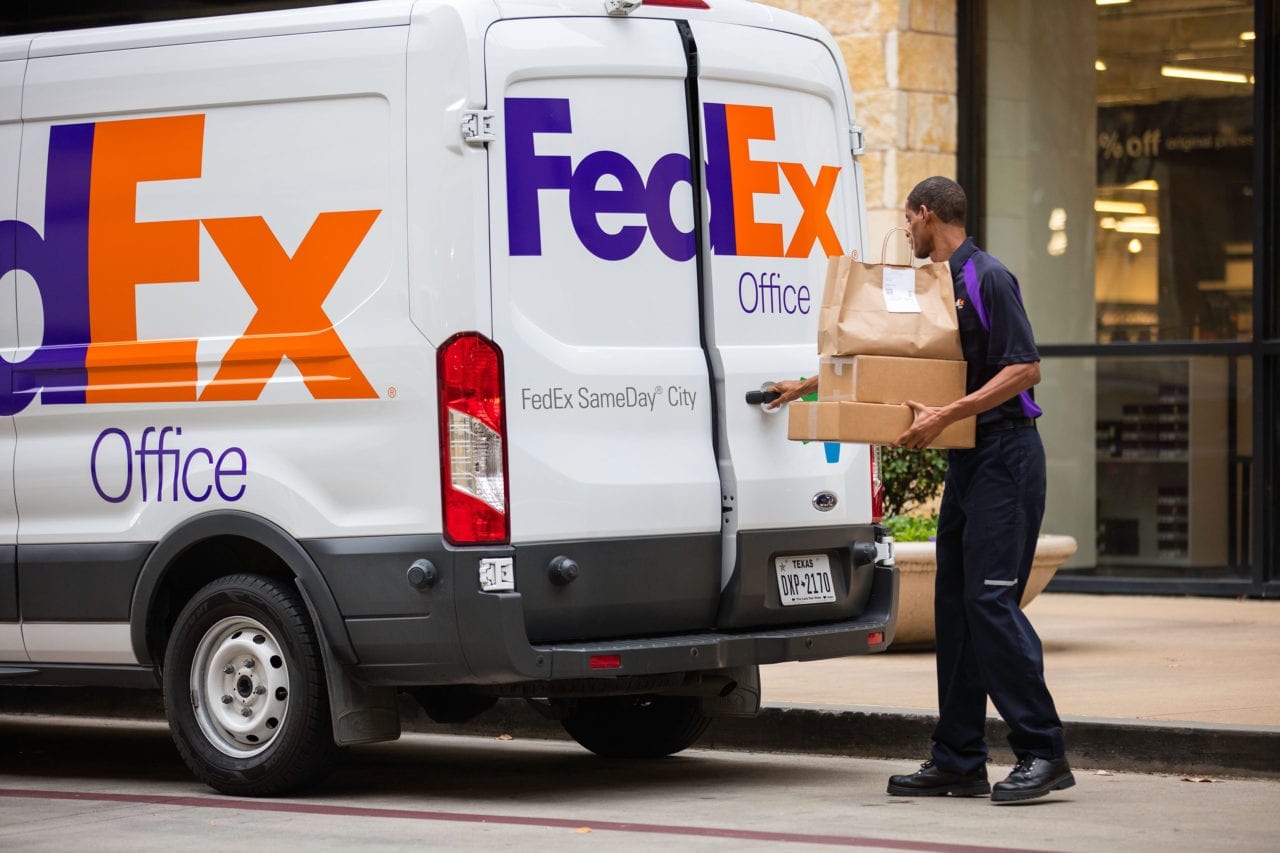
In addition to these efforts, FedEx has started using sustainable aviation fuel (SAF) at Chicago O’Hare and Miami International Airports. This is another step towards reducing aviation-related emissions within its global air network. In urban delivery, FedEx is going electric. Electric vehicles have been deployed across several APAC markets and account for over 20% of the company’s delivery fleet in China. In Taiwan, electric tricycles have been introduced to navigate dense urban environments more efficiently, resulting in lower emissions and improved delivery efficiency.
As international trade evolves, FedEx maintains its commitment to providing faster, smarter, and more sustainable shipping solutions. These solutions will not only enable customers to succeed but also contribute to a more sustainable future.
What percentage of APAC SMEs consider environmental issues in their trade activities with Europe?
Around 80% of APAC SMEs take environmental issues into account when trading with Europe.
What proportion of APAC consumers are willing to pay premium prices for sustainable packaging?
Nearly 40% of APAC consumers are ready to pay higher prices for sustainable packaging.
What is FedEx’s goal for carbon-neutral operations?
FedEx aims to achieve carbon-neutral operations globally by 2040.