With the global retail landscape evolving at breakneck speed, Asia continues to emerge as a hotbed of innovation and consumer engagement. Major players are adapting creatively, guided by rapidly shifting consumer preferences, which reflect broader societal trends throughout the region.
The ongoing pandemic has undoubtedly accelerated the adoption of digital technologies, as brands across Asia bolster their online presence. From China’s vibrant e-commerce giants like Alibaba and JD.com to Southeast Asia’s burgeoning platforms, the race to capture online market share is intensifying. Retailers are leveraging data analytics and artificial intelligence to enhance customer experiences, tailor offerings, and streamline operations.
Take the example of a popular retailer recently unveiling an interactive shopping app that allows customers to virtually try on products before making a purchase. This innovative approach not only heightens engagement but also addresses inherent consumer hesitations about online shopping. Who knew that trying on clothes could soon feel like a game, even from the comfort of your living room?
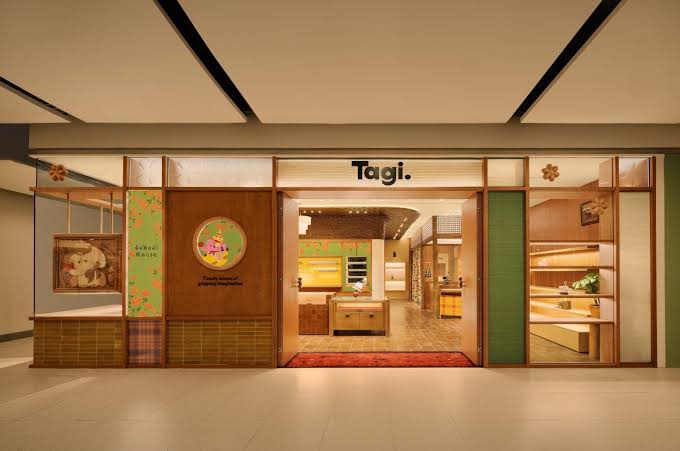
While digital channels are critical, there’s a compelling counter-movement toward experiential retail that’s breathing new life into brick-and-mortar stores. Brands are reimagining the in-person shopping experience by creating immersive environments that blend shopping with entertainment.
For instance, a high-end fashion brand in Tokyo has transformed its flagship store into a multi-sensory haven, complete with art installations and live performances. This shift highlights a growing recognition that consumers crave meaningful interactions, whether online or offline. Simply put, shopping has evolved from a task into an adventure.
As consciousness around environmental issues heightens, sustainability has become a key principle driving retail strategies. Many brands are actively shifting towards eco-friendly practices. Whether it’s adopting sustainable materials, implementing circular economy practices, or reducing carbon footprints, Asian retailers are keen to align with consumers’ ethical values.
A popular clothing retailer in India recently launched a line of apparel made entirely from recycled materials, resonating with eco-conscious shoppers. This initiative showcases the retail community’s response to a pressing challenge—turning sustainability from a buzzword into a business imperative.
Focusing on local markets has never been more critical for retail success in Asia. Brands are honing in on the unique cultural, regional, and social nuances that define their customer bases. Tailoring products and marketing strategies to fit local tastes is essential for establishing a genuine connection with consumers.
Moreover, omnichannel strategies are becoming increasingly sophisticated. Retailers are recognizing that the path to purchase is no longer linear, prompting them to seamlessly integrate their online and offline channels. This approach not only enhances customer convenience but also fosters brand loyalty in a competitive marketplace.
Looking ahead, one can only speculate on the trends that will shape retail in the coming years. The fusion of technology and retail promises thrilling possibilities, from advanced personalization through augmented reality to the rise of subscription models. As Asia’s retail sector continues to pivot and innovate, one thing remains clear: consumers hold the power, and retailers must be prepared to respond.
How are retailers in Asia adapting to digital transformation?
Retailers are enhancing their online presence by leveraging technologies such as data analytics and AI, which help tailor customer experiences and streamline operations.
What is driving the shift towards experiential retail?
Consumers increasingly crave meaningful interactions, leading brands to create immersive environments that combine shopping with entertainment, transforming shopping into a unique experience.
Why is sustainability important for Asian retailers?
As awareness of environmental issues grows, sustainability has become essential for aligning with consumers’ values and addressing the challenges of modern retail.