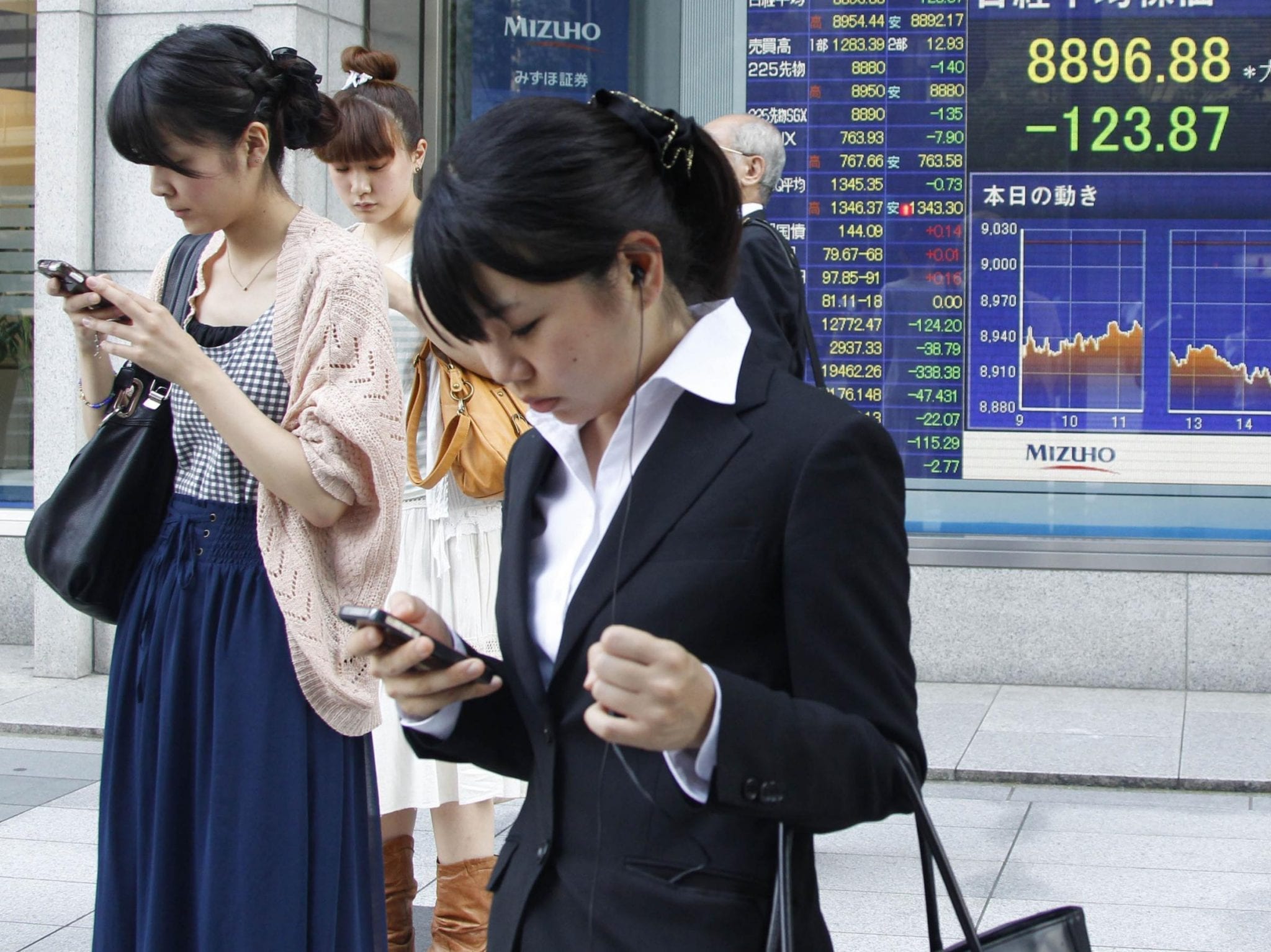
The Asian retail landscape is witnessing a paradigm shift, thanks to the intriguing rise of omnichannel retailing. Retailers across the region are scrambling to cater to the modern consumer, who seamlessly blends online shopping with in-store experiences. This shift isn’t just noteworthy; it’s transforming how brands engage with their audiences, creating a shopping experience that is both personalized and convenient.
With online shopping no longer a secondary option, shoppers now expect a fluid transition between digital interfaces and physical stores. According to a recent report, 70% of consumers prefer a brand that offers a consistent shopping experience across platforms. This demand is prompting retailers to invest heavily in technology that enhances customer interactions, whether browsing their favorite clothes on a mobile app or engaging with staff in a local boutique.
Even in a world of increasing automation, the human element is proving harder to replace than anticipated. A clever team of retail innovators might say that blending the digital and physical shopping worlds is akin to mixing tradition with a dash of technology – and just like a well-crafted cocktail, the right shake can produce unexpected delight.
Despite the opportunities, the journey to omnichannel excellence is fraught with challenges. Retailers face hurdles such as inconsistent inventory management and fragmented customer data, which can thwart integration efforts. To overcome these obstacles, smart retailers are turning towards data analytics tools that help capture customer preferences and habits. The end goal? Tailoring their offerings to meet the precise needs of consumers.
Moreover, training employees to navigate this hybrid shopping environment is crucial. They need to act as brand ambassadors who can provide knowledgeable assistance, whether in-store or virtually. It’s a delicate balancing act, ensuring staff are equipped to deliver a unified experience that keeps customers returning.
Tech giants like Alibaba and Tencent are already leading the charge, leveraging artificial intelligence and data science to predict shopping trends and personalize customer experiences. However, smaller retailers are equally thriving by adopting user-friendly technology solutions that can elevate their game without breaking the bank. Implementing chatbots, enhancing mobile app capacities, and utilizing customer relationship management tools are just a few strategies gaining momentum in this new retail era.
As brands continue to innovate, Asia’s retail sector is set to redefine what consumers can expect from their shopping journeys, lighting the path towards a more interconnected future.
How are retailers responding to the shift towards omnichannel shopping?
Retailers are investing in technology to improve customer interactions across online and offline platforms, ensuring a seamless shopping experience.
What major challenges do retailers face in the transition to omnichannel?
Challenges include inconsistent inventory management and fragmented customer data, which complicate integration efforts.
Which technologies are emerging as pivotal for enhancing retail experiences?
Artificial intelligence, data analytics, and user-friendly technology solutions are key players, enabling brands to predict trends and better cater to consumer preferences.