A new decree taking effect on July 8 has introduced changes to the minimum production volume requirements for automotive companies looking to enjoy preferential import tariffs on components. This policy aims to bolster the capabilities of domestic vehicle manufacturers and assemblers, especially those investing in eco-friendly models.
The decree modifies prior regulations, allowing manufacturers of petrol or diesel vehicles that also produce electric cars, fuel cell vehicles, hybrids, and vehicles powered by biofuels or natural gas to have their environmentally friendly vehicle outputs factored into both overall and model-specific production calculations. This combined output will play a crucial role in determining eligibility for preferential import tariffs related to petrol and diesel categories.
In a notable provision, companies holding more than 35% of the charter capital in affiliated automotive firms, recognized by the Ministry of Industry and Trade, can consolidate the production figures from these associated entities. This collective output will be counted toward satisfying the minimum production volume needed for the preferential tariff program. The parent company carries the responsibility of verifying total eligible production and ownership percentages throughout the assessment period.
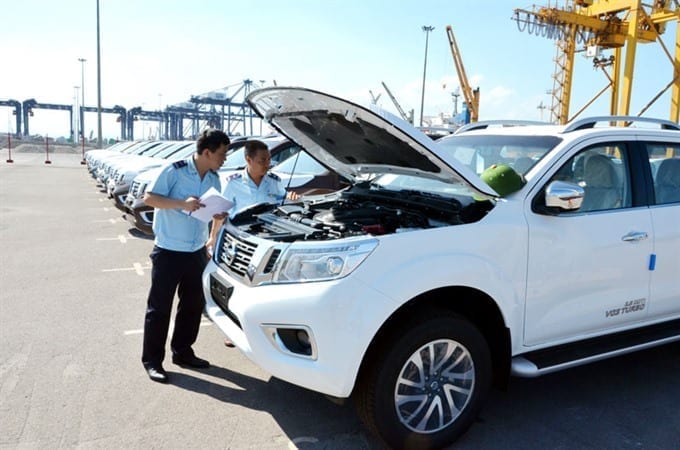
Customs authorities at the local level will handle tax refunds based on the number of vehicles fabricated and assembled during the eligibility timeframe. However, firms making inaccurate declarations risk facing tax recovery actions and penalties as specified in tax regulations.
Accompanying this decree is an increase in export and preferential import taxes for certain commodities. Notably, yellow phosphorus will see a steep rise in export duties, launching from a current rate of 5% to 10% starting January 1, 2026, and further increasing to 15% by January 1, 2027. This vital input material, instrumental in sectors from fertilizer production to high-tech applications like semiconductors and lithium-ion batteries, is critical for Vietnam’s strategic industries.
The updated tariff policies reflect a concerted effort to protect national resources, minimize environmental impacts, and support the development of industries focused on chip production, electric vehicle battery manufacturing, and advanced industrial chemicals.
Meanwhile, the import duty on tin-mill blackplate—used in tin-coating—will remain at 0% until August 31, 2025, when it will jump to 7%. Additionally, a new 2% import duty has been enacted for various polyethylene categories, which previously enjoyed a 0% rate.
In short, these regulatory adjustments represent a balancing act, aiming to propel domestic automotive growth while safeguarding environmental concerns—a move that highlights the complexity and dynamism of the industry.
What new incentives does the decree provide for manufacturers of environmentally friendly vehicles?
The decree allows manufacturers of petrol and diesel vehicles that also produce eco-friendly models—like electric and hybrid vehicles—to combine their production outputs when calculating eligibility for preferential import tariffs.
How will the changes affect tax rates for yellow phosphorus?
Starting January 1, 2026, the export duty on yellow phosphorus will increase from 5% to 10% and then to 15% in 2027, reflecting the government’s intent to manage key resources while boosting industries reliant on this critical material.
What changes have been made regarding import duties on polyethylene products?
Several polyethylene categories, which had a 0% import duty, are now subject to a new 2% import duty, showcasing an immediate shift in the cost structure for these materials.