
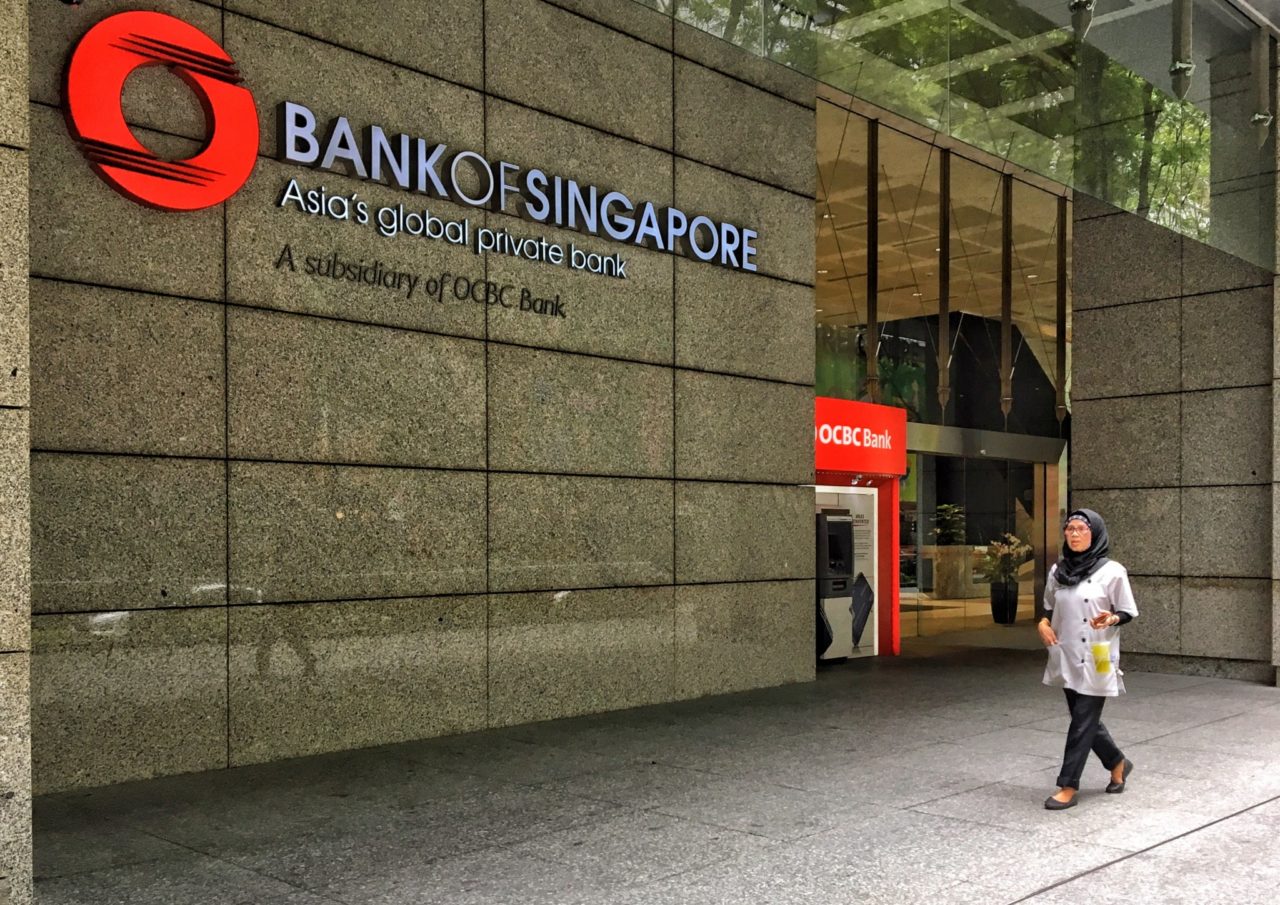
In an ever-evolving financial landscape, Bank of Singapore (BOS) is making waves with its newly unveiled asset allocation framework, a culmination of rigorous research and stress-testing involving 120,000 portfolios over the past year. This innovative strategic asset allocation (SAA) framework is designed with robust optimisation techniques aimed at crafting investment portfolios that are not only resilient to market fluctuations but also capable of delivering consistent returns.
The SAA framework enhances BOS’s investment offerings across five distinct risk profiles: conservative, moderate, balanced, growth, and aggressive. This tailored approach allows clients to choose investment strategies that align with their risk tolerance while ensuring that their assets are diversified more effectively.
Dr. Owi Ruivivar, the chief portfolio strategist at BOS, has been at the forefront of this ambitious project. According to BOS, the robust optimisation methodology tackles the shortcomings of conventional approaches like mean-variance optimisation (MVO) and market cap-weighted benchmarks. While MVO typically falters when real-world conditions deviate from predictive models, leading to underperformance, market cap-weighted portfolios often concentrate too heavily on the US market. Such a focus can be precarious, especially amid current global uncertainties.
BOS emphasizes that the new framework not only enhances diversification across asset classes but also prioritizes minimizing potential losses during worst-case scenarios. “Our goal is to narrow the performance gap between expected and worst-case outcomes,” the bank stated, underscoring a commitment to delivering peace of mind to investors. After all, in the world of finance, a little precaution can go a long way — think of it as a financial umbrella for unpredictable weather.
With this innovative framework, Bank of Singapore aims to set a new standard in asset management, providing clients a fortified approach to navigate the complexities of today’s investment environment.
What is the primary focus of the new asset allocation framework introduced by Bank of Singapore?
The framework focuses on enhancing diversification across asset classes while minimizing potential losses in worst-case scenarios, aiming for more stable returns amidst market uncertainties.
Who led the study behind the new strategic asset allocation framework?
Dr. Owi Ruivivar, the chief portfolio strategist at Bank of Singapore, spearheaded the year-long study and testing of 120,000 portfolios that informed the new framework.
How does the robust optimisation technique differ from traditional methods like mean-variance optimisation?
Robust optimisation overcomes the limitations of traditional methods by addressing the unpredictability of actual market conditions, which often leads MVO to underperform, while also avoiding excessive concentration in sectors like the US market through market cap-weighted benchmarks.