The beauty landscape is witnessing a seismic shift in 2024, as consumers increasingly tailor their product choices to fit specific daily activities. Gone are the days of rigid beauty routines; today’s buyers are embracing flexibility, informed by their real-life experiences. According to Kantar’s Face Value report, individuals are selecting beauty products based on unique moments they face throughout the day, termed “Beauty Spaces.” These include categories such as “Work Mode,” “Sweat & Reset,” and “Evening Exhale.”
While global beauty spending is on the rise, much of this growth can be attributed to pricing increases rather than an uptick in product volume. Countries like Brazil, India, and France reported impressive spending gains of 16.8%, 12.7%, and 8.9% respectively, yet actual product usage remains stagnant or is even declining. In China, for example, beauty spending fell by 4% year-over-year, with a corresponding 1% dip in volume.
Traditional beauty routines, including the once-popular “Rise & Shine,” are seeing negligible growth rates between 0% and 2%. In contrast, newer categories such as “Brunch Beauty” are on a rapid upward trajectory, boasting over 5% year-over-year growth in markets like the U.S., U.K., and Germany. Consumers are increasingly gravitating towards versatile, quick-acting products, with micellar waters, mists, and gels gaining particular popularity in India, France, and Indonesia.
As shoppers seek out efficiency and adaptability, hybrid products that mix elements of skincare, haircare, and makeup are gaining traction. For instance, post-workout scalp serums and overnight hair oils are becoming staples across multiple Beauty Spaces. Notably, younger consumers are at the forefront of this trend, particularly engaged in “Sweat & Reset” and “Night Out Glow” moments.
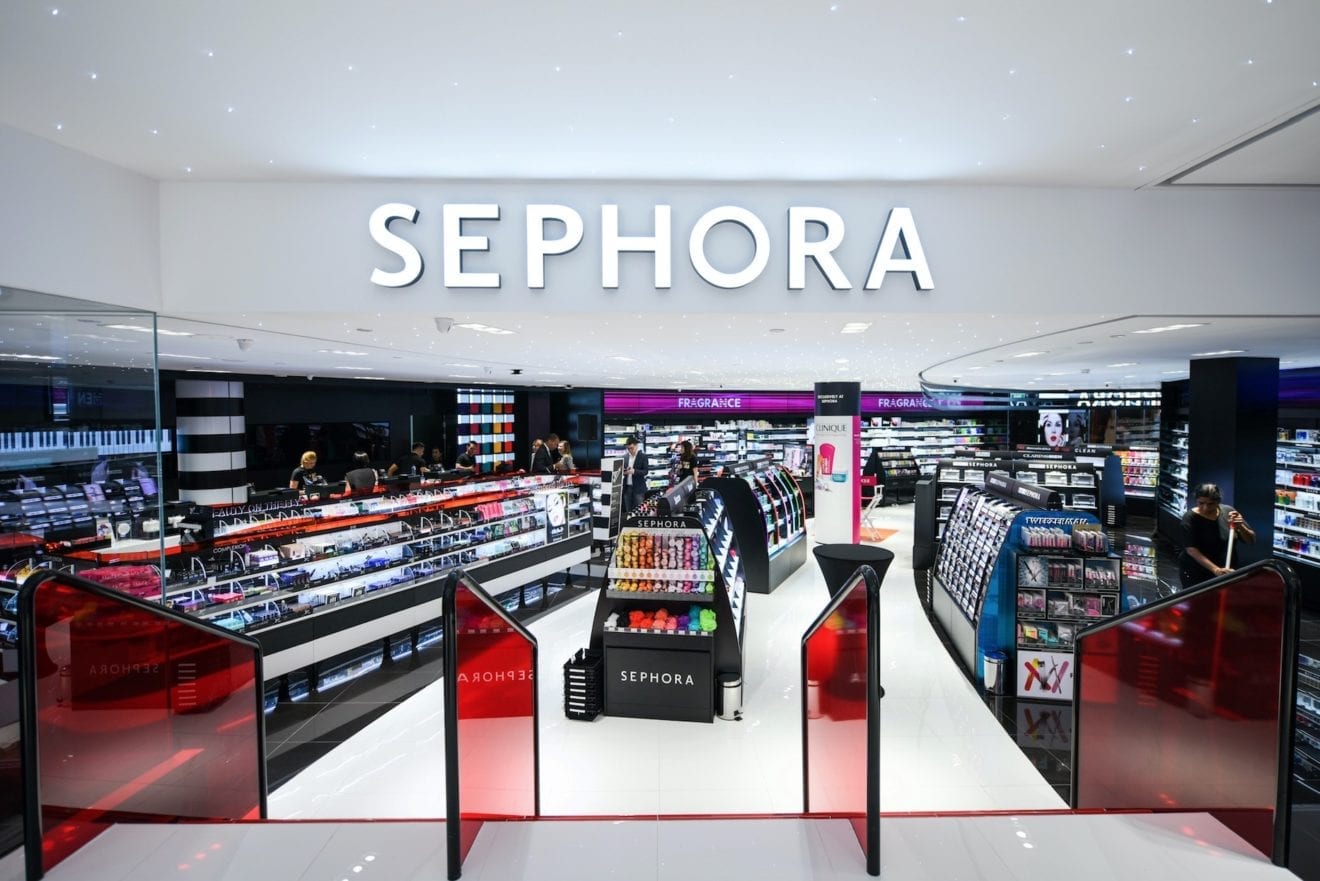
The report highlights a significant shift in shopping behavior, where traditional category-based selections are yielding to experience-driven layouts both online and in physical stores. Social media platforms like TikTok and YouTube Shorts are revolutionizing the way consumers discover products, focusing on not just what to buy, but also when and how to use them. In Taiwan and China, digital sales of personal care products have surged to account for 59% and 56% of their respective beauty markets. The Philippines has also seen remarkable growth, jumping from 8% in 2022 to 18% in 2024.
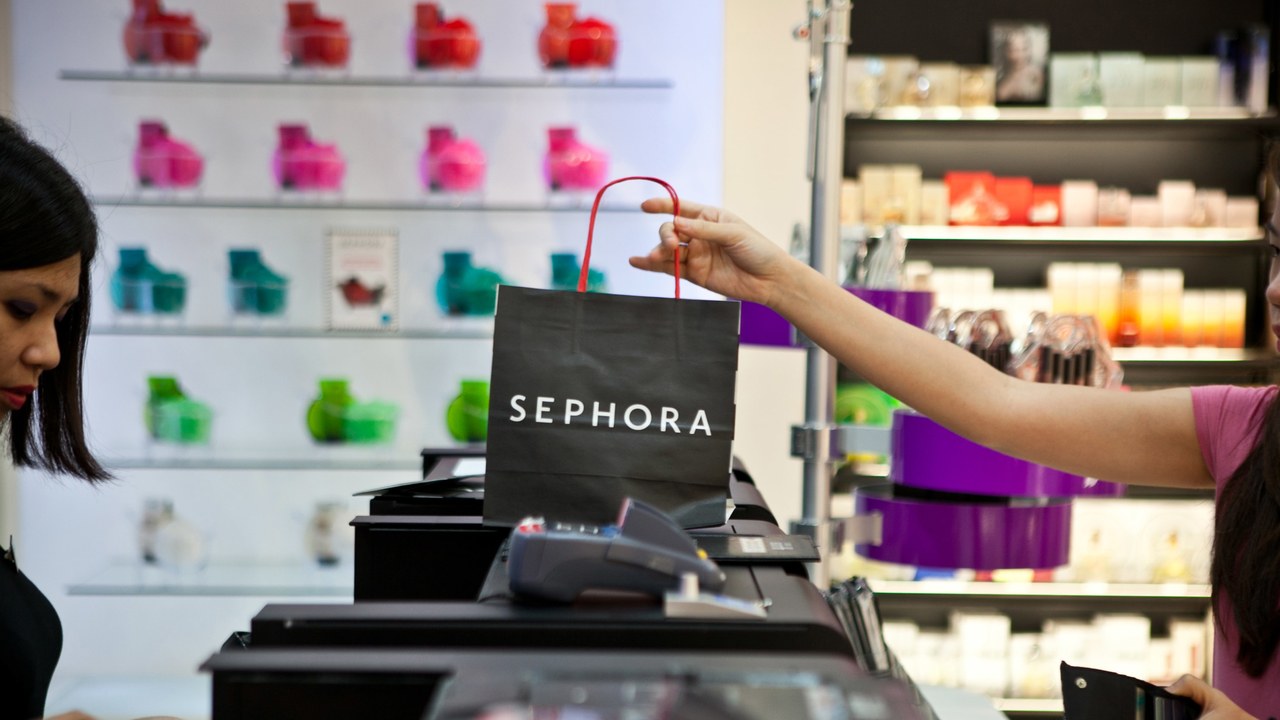
Retailers are responding creatively to these changes, introducing mood-based pop-ups and interactive experiences—think scratch-and-sniff billboards—to enhance customer engagement.
How are consumers redefining their beauty routines in 2024?
Consumers are moving away from rigid, traditional beauty routines and opting for flexibility, choosing products that fit specific daily moments, or “Beauty Spaces,” such as work, exercise, or relaxation.
What is driving growth in the beauty industry despite declining product usage?
While overall spending on beauty products is rising, much of this growth is attributed to price increases rather than increases in product volume, highlighting a possible disconnect between spending and actual usage rates.
Which regions are experiencing significant online sales growth in the beauty category?
Taiwan and China are leading the charge, with digital sales of personal care products making up 59% and 56% of their markets, respectively. The Philippines has also seen a dramatic increase from 8% to 18% in just two years.