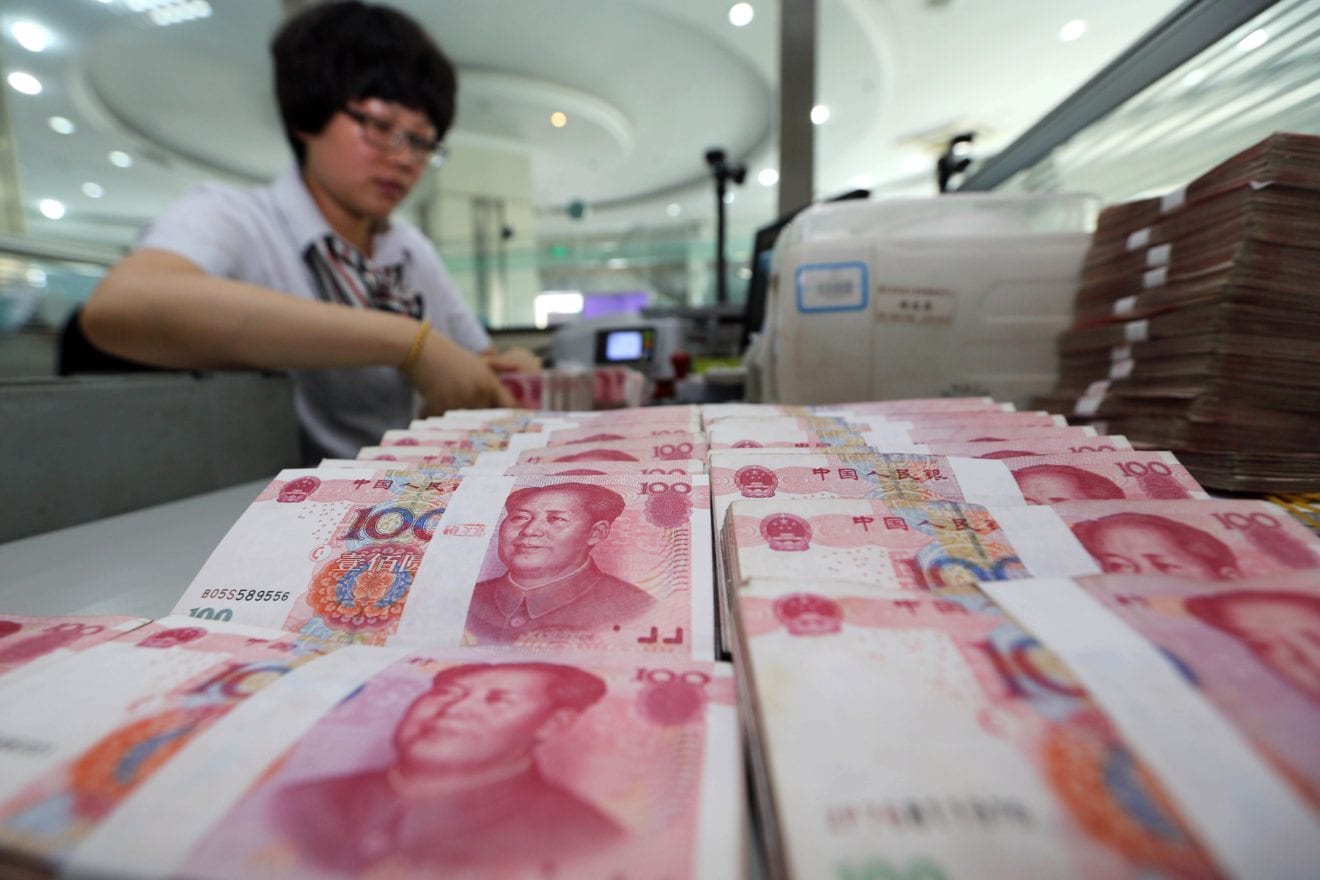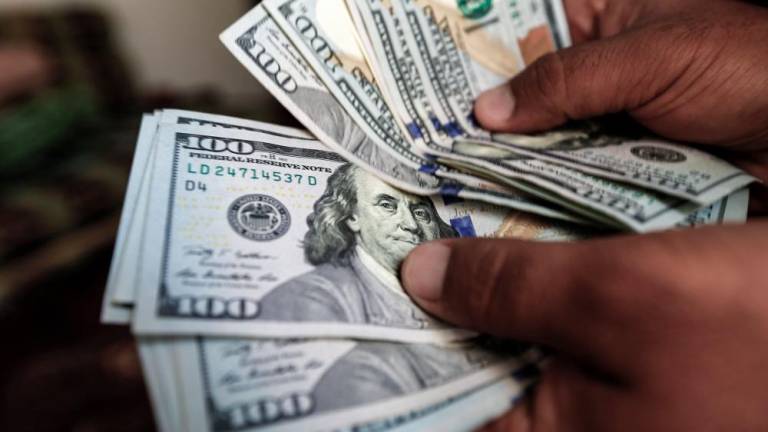
The U.S. dollar experienced a slight uptick against the Vietnamese dong on Tuesday morning within the black market, rising by 0.09% to VND26,500. Meanwhile, state-owned Vietcombank held its exchange rate steady at VND26,140. The State Bank of Vietnam also adjusted its rate, increasing it by 0.11% to VND24,973.
As global markets reacted positively to a newly brokered tariff agreement between the U.S. and China—a development aimed at alleviating tensions in their trade relationship—the dollar maintained its strong position. This deal has alleviated some concerns regarding a potential global recession stemming from escalating trade disputes between these two economic giants, according to reports from Reuters.
However, the dollar took a minor hit, trading down 0.1% at 148.29 yen and fetching 0.8448 against the Swiss franc, following impressive increases of 2.1% and 1.6%, respectively, during the previous session. Rodrigo Catril, senior FX strategist at National Australia Bank, remarked, “It’s way better than the market was expecting.” He elaborated that this development reflects a U.S. administration increasingly aware of tariffs’ economic ramifications, suggesting a significant shift in approach.
In a world where financial trends can often feel as dramatic as a suspenseful thriller, just how much can a single tariff deal sway the market?
What was the change in the dollar’s value against the Vietnamese dong?
The U.S. dollar rose by 0.09% to VND26,500 in the black market.
How did the official banks respond to the dollar’s exchange rate?
Vietcombank kept its rate unchanged at VND26,140, while the State Bank of Vietnam raised its rate by 0.11% to VND24,973.
What impact did the U.S.-China tariff deal have on the market?
The deal bolstered investor confidence, helping to stabilize the dollar and ease fears of a global recession, showing a shift in U.S. policy responsiveness.