Cambodia’s banking sector faces a challenging landscape as non-performing loans (NPLs) are projected to surge to between 9.5% and 10% of outstanding loans by 2026. S&P Global Ratings highlights a sluggish recovery in tourism and ongoing pressures in the real estate market as major contributors to this downturn.
As NPLs climb, banks will be required to increase their provisioning levels, keeping profitability grim, according to Ruchika Malhotra, a primary credit analyst at S&P Global Ratings. She estimates that profitability will stagnate at around 0.3% in 2025 and 2026—just a slight improvement over an already dismal 2024. It’s a bit like trying to put a shiny coat of paint on a rickety old house; the underlying issues are hard to miss.
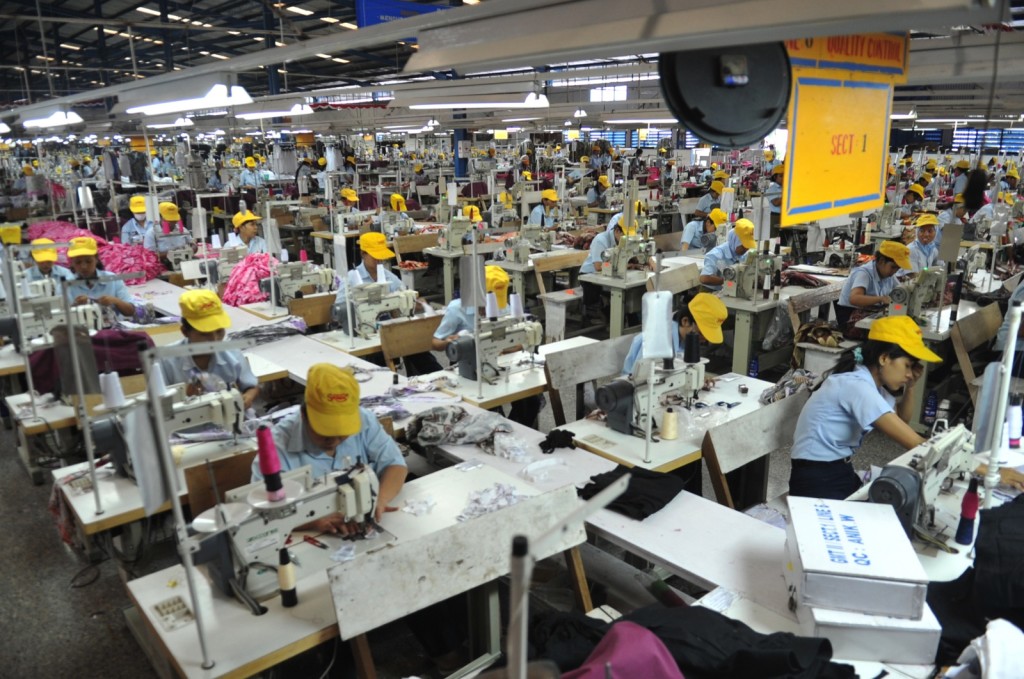
Additionally, the banking sector is grappling with the fallout of tariffs and significant exposure to the construction and real estate industries, which have been under severe stress. “Cambodia’s sizeable manufacturing exports to the U.S.—accounting for one-third of total exports—could face steep tariff hikes. This uncertainty inevitably casts a shadow on the economy,” Malhotra explained.
Malhotra anticipates continued pressure on property prices and sales, attributing this to a persistent mismatch between supply and demand. With banks heavily invested in the construction and real estate sector—representing one-fifth of their total loans—banks could find themselves in a precarious position. “The absence of swift court settlement processes means banks may be left with substantial real estate collateral after foreclosures, which constitutes a considerable portion of their loan collateral,” she noted.
Given the dismal profit margins, regulatory bodies may be inclined to extend support measures. Malhotra suggests that this could involve prolonging the current restructuring schemes for distressed borrowers, especially if NPL levels continue to rise. The central bank might even consider delaying the normalization of prudential measures to provide banks with a much-needed lifeline.
What are the predicted levels of non-performing loans in Cambodia’s banking sector by 2026?
Non-performing loans are expected to rise to between 9.5% and 10% of outstanding loans by 2026, according to S&P Global Ratings.
How is the Cambodian banking sector’s profitability projected to change over the next few years?
Profits are expected to remain bleak, with estimates at only 0.3% in 2025 and 2026, indicating a minor improvement over 2024.
What measures might regulators consider in response to the rising non-performing loans?
Regulators may extend restructuring schemes for distressed borrowers and delay the implementation of new prudential measures to help banks manage their challenges.