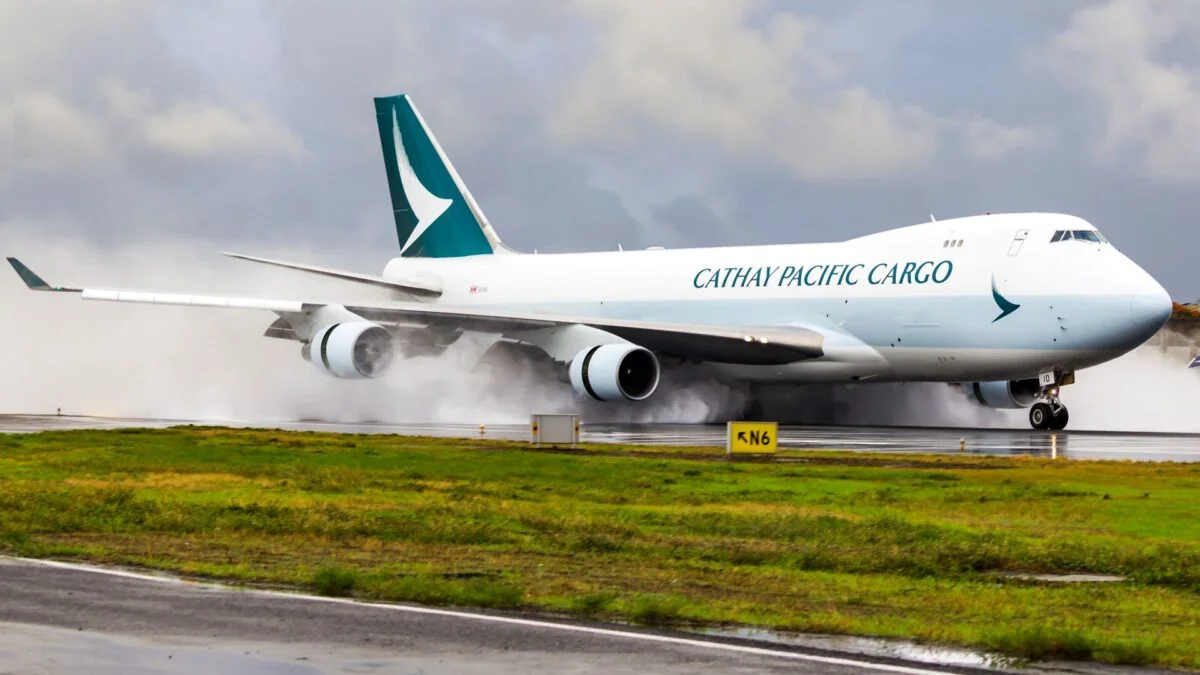
Cathay Pacific Airways has announced that it will reduce several flights from mid-May until the end of June due to escalating jet fuel prices, influenced by the ongoing crisis in the Middle East. The company plans to eliminate approximately 2% of its scheduled passenger services from May 16 to June 30, 2026. In correlation, its budget division, HK Express, will also reduce about 6% of its flights from May 11, as stated in a recent press release.
Despite the current challenges, the CEO of Cathay Pacific, Ronald Lam, confirmed last month that the Hong Kong-based airline would continue with its strategies to boost passenger capacity by 10% this year. The decision was spurred by the robust demand for long-haul flights to North America, Europe and Australia, following the decrease in traffic through the Middle East after the Iran war.
After June, Cathay Pacific and HK Express anticipate resuming all their scheduled passenger services, as per the recent announcement.
Despite a temporary ceasefire between U.S. President Donald Trump and Iran, industry executives have expressed that the global aviation industry is unlikely to experience immediate relief.
Aviation industry officials have cautioned that jet fuel supplies will continue to be limited and expensive for several months, even if Iran decides to reopen the Strait of Hormuz.
What is the reason for Cathay Pacific Airways cutting some flights from mid-May to the end of June?
The airline is reducing flights due to the increasing costs of jet fuel, which are being driven up by the ongoing conflict in the Middle East.
What plans does Cathay’s CEO Ronald Lam have for this year despite the rise in fuel costs?
Despite the increase in fuel prices, Ronald Lam said that the airline would push forward with its plans to increase passenger capacity by 10% this year. He cited strong demand for long-haul flights to North America, Europe, and Australia.
What effect will the ceasefire between U.S. President Donald Trump and Iran have on the aviation industry?
According to industry executives, the temporary ceasefire is unlikely to bring immediate relief to the global aviation industry. They warn that jet fuel supplies will continue to be limited and costly for several months, even if Iran decides to reopen the Strait of Hormuz.