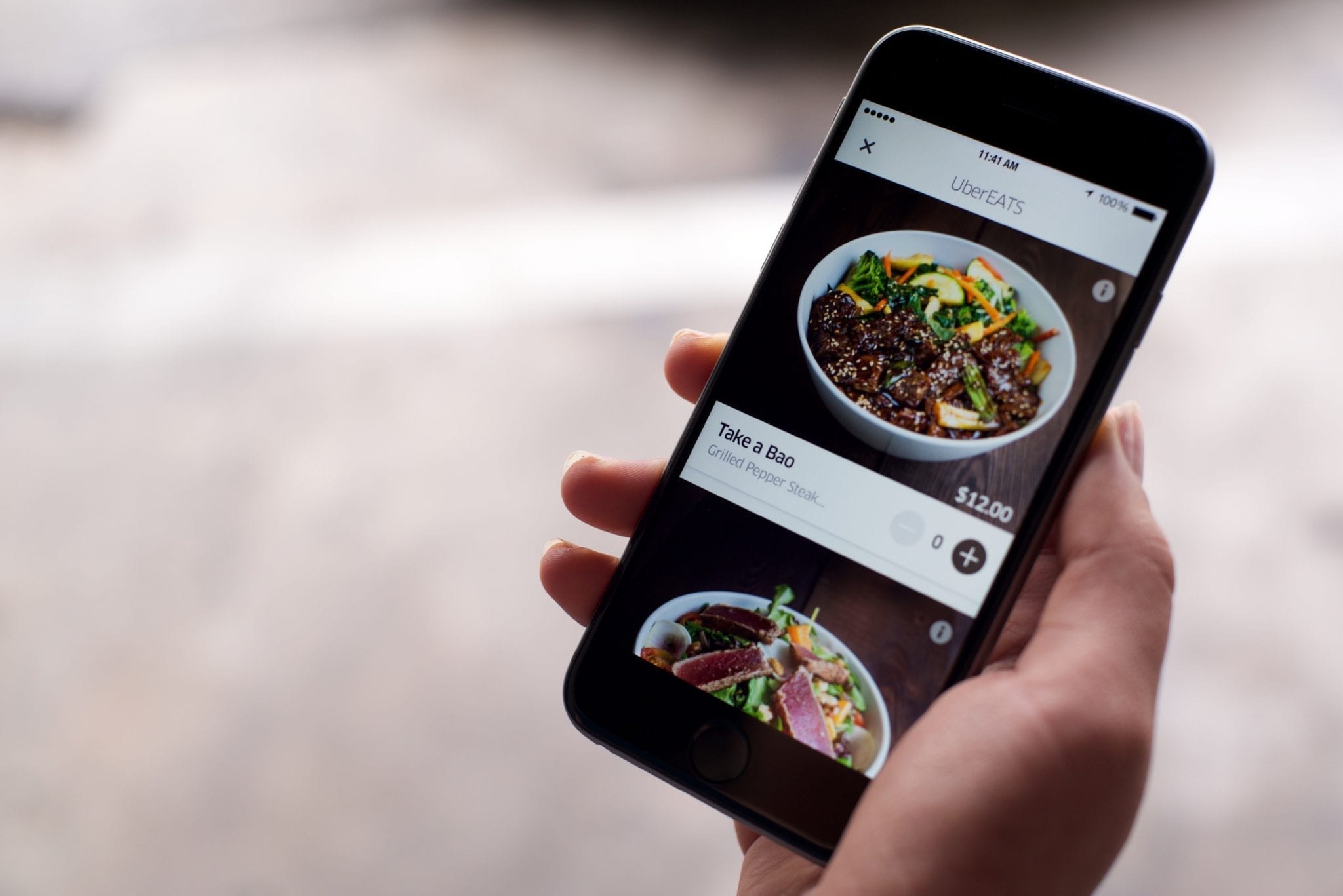
In the midst of a fierce food delivery war, China’s major players—Alibaba Group, Meituan, and JD.com—are locked in a high-stakes competition to capture consumer spending in the world’s largest economy. The stakes have just risen as JD.com recently amplified the battle, reporting an explosive surge in both orders and new users, propelled by substantial subsidies.
This past weekend, excitement reached new levels. Many consumers reported delightful surprises in their deliveries—free bubble tea and coffee were offered to users over consecutive weekends, contributing to an enthusiastic uptick in orders. This unexpected beverage boon has not only sparked consumer enthusiasm but also sent shares of Hong Kong-listed bubble tea brands soaring to new heights, making investors perk up faster than a barista brewing their morning espresso.
As these platforms race to dominate the market, the question remains: what will be the next thrilling tactic in a game that seems to be brewing stronger every day?
What are the three main platforms involved in China’s food delivery war?
The primary competitors are Alibaba Group, Meituan, and JD.com, each striving to capture consumer spending in China.
What recent event contributed to a spike in user engagement for these platforms?
Over two recent weekends, users received free bubble tea and coffee with their deliveries, which significantly boosted both orders and user registrations.
How have investors reacted to the rise in coffee and bubble tea giveaways?
Investors took notice, as shares of Hong Kong-listed bubble tea brands experienced a sharp increase, reflecting the excitement generated by these promotions.