
Chinese skincare brands are making waves across Southeast Asia, boasting an impressive 115% compound annual growth rate (CAGR) in the mass skincare market from 2019 to 2024. This explosive growth is attributed to innovative product offerings and competitive pricing, launching them into the spotlight as formidable contenders against established players, according to a recent whitepaper by Euromonitor International.
The report, titled “The Rise of Chinese Brands in Southeast Asia,” delves into the dynamics of the ASEAN-6 economies—Indonesia, Malaysia, the Philippines, Singapore, Thailand, and Vietnam—collectively contributing to 95% of Southeast Asia’s impressive $4 trillion GDP. “Chinese companies are making significant strides in this region, particularly in sectors where they enjoy distinct competitive advantages such as electric vehicles, consumer electronics, and home appliances,” explains Tim Chuah, senior global insight manager at Euromonitor.
The beauty sector is witnessing an especially thrilling transformation, with Chinese brands challenging the status quo. In addition to skincare, they are quickly carving out niches in food and foodservice industries. “The aggressive expansion of Chinese brands into these sectors is reshaping the competitive landscape across Southeast Asia,” Chuah added, signaling that incumbent firms need to step up their game.
Chinese brands are also shaking up the air conditioning market, rapidly increasing their market share from 9% in 2015 to a projected 25% in 2024. Meanwhile, Japanese competitors have faced a 7% decline during this same period, highlighting the ongoing shift in consumer preferences.
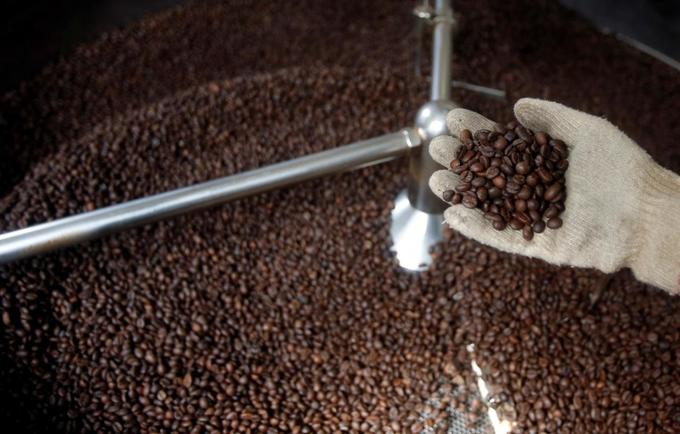
In the food and beverage sector, Chinese brands are tapping into a rapidly expanding appetite for coffee, milk tea, snacks, and dairy products throughout Southeast Asia. These categories are experiencing robust double-digit growth, with the beverage segment expected to rise at an impressive 9% annually until 2029.
Not stopping there, Chinese pet care companies are venturing into the burgeoning pet care market in Southeast Asia. This segment alone is projected to grow at a 9% CAGR from 2025 to 2030—a promising landscape for brands eager to cater to pet owners. Meanwhile, while Chinese digital wallets continue to attract tourists, their reach among local consumers remains limited due to strong domestic alternatives. Achieving success in this competitive space will largely depend on forming strategic partnerships with local businesses.
How are Chinese skincare brands influencing the beauty market in Southeast Asia?
Chinese skincare brands are dramatically reshaping the beauty market by delivering innovative, cost-effective products that appeal to consumers, resulting in a phenomenal 115% CAGR from 2019 to 2024.
What sectors are Chinese companies focusing on in Southeast Asia?
Chinese companies are expanding aggressively in electric vehicles, consumer electronics, home appliances, and increasingly in beauty and food services, posing new challenges to established local and international brands.
What trends are emerging in the Southeast Asian food and beverage sector?
The demand for coffee, milk tea, snacks, and dairy products is surging, driving double-digit growth with the beverage segment anticipated to grow annually by 9% until 2029.