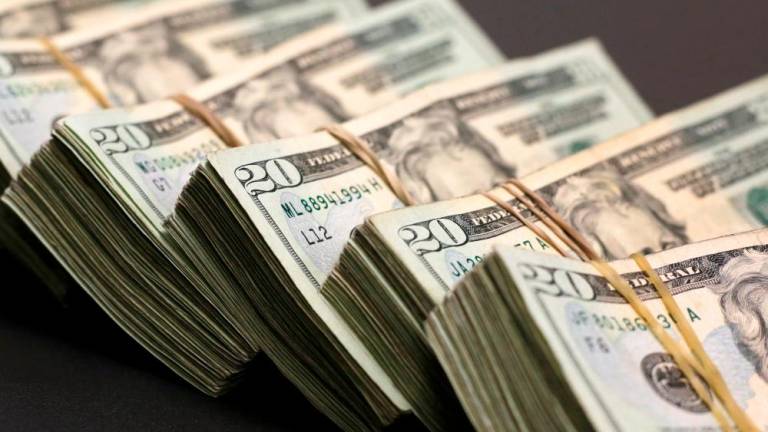
The U.S. dollar is enjoying a modest rise against the Vietnamese dong, but it’s singing a different tune when faced with major global currencies. This development marked Thursday morning as Vietcombank nudged its rate up by 0.04%, setting the dollar at VND26,210. Meanwhile, the State Bank of Vietnam adjusted its reference rate to VND24,990, a slight increase of 0.03%. Interestingly, in the black market, the greenback surged by 0.21%.
Globally, however, the dollar was experiencing a slip, with reports from Reuters indicating that President Donald Trump might be leaning towards a more conciliatory approach in tariff discussions. Coupled with mounting hopes for cuts from the Federal Reserve, this resulted in the dollar shrinking in strength. Specifically, it fell 0.43% against the Japanese yen and 0.34% against the Swiss franc, trading at 143.98 and 0.81725, respectively.
As for the broader picture, the dollar hit its lowest level against a basket of currencies since April 22, dropping to 98.327. On the other hand, the euro is basking in recent victories, having surged against a swath of currencies in its last session. Carol Kong, a currency strategist at Commonwealth Bank of Australia, noted that “expectations of fewer European Central Bank rate cuts have lent some support to the euro,” highlighting a shift in market sentiment that seems to favor the single currency.
In these fluctuating currency tides, it’s clear that the dollar’s journey is anything but predictable—might we see it dancing back into favor soon, or is the decline here to stay?
What impact does the rise of the dollar against the dong have on the Vietnamese economy?
The dollar’s rise can lead to increased costs for imports, potentially affecting inflation and consumer spending in Vietnam.
What does the dollar’s drop against major currencies indicate about the U.S. economy?
The dollar’s decline suggests increasing market confidence in foreign currencies, likely fueled by expectations of policy changes from the U.S. government and Federal Reserve.
How do currency fluctuations affect consumers directly?
Currency fluctuations can influence the prices consumers pay for imported goods and services, ultimately impacting their purchasing power.