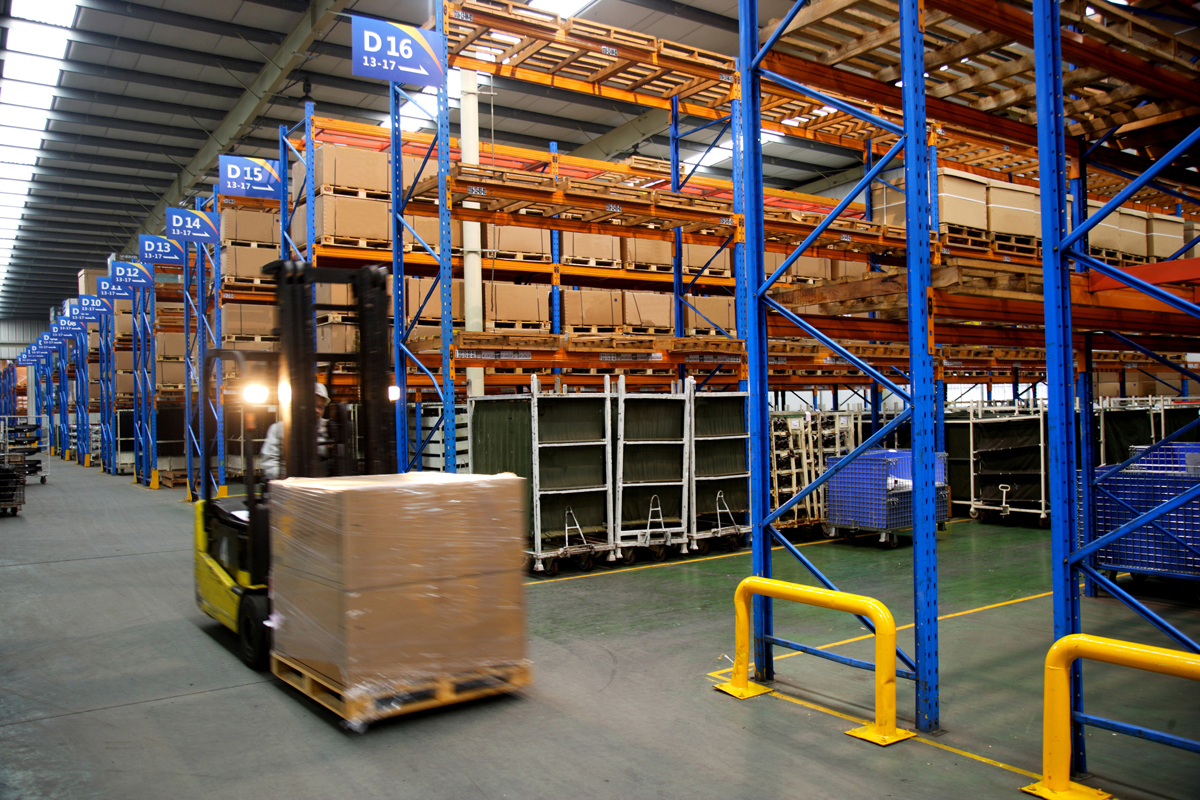
The logistics landscape in Kuala Lumpur is poised for remarkable stability through 2025, as detailed in a recent report by JLL. This trend is largely fueled by the booming e-commerce sector and the global technology upcycle, spurred on by a surge in artificial intelligence (AI) innovations that are reshaping the demand for modern logistical spaces.
A significant shift is on the horizon with Malaysia’s expansion of the Sales and Service Tax (SST), effective July 2025. This adjustment brings real estate leasing transactions into the tax fold, introducing an 8% taxation rate. As landlords and tenants grapple with these changes, negotiations will likely become central to finding a balance in operational costs.
The logistics property sector is experiencing exceptional growth, propelled by new developments that are witnessing impressive net absorption rates. High-quality facilities are attracting eye-catching tenancies from leading sports brands and consumer goods companies.
This surge can be predominantly traced back to sectors such as Automotive, Electrical and Electronics (E&E), and third-party logistics (3PL) providers, alongside various manufacturers. Current projects are enjoying robust pre-commitment rates, signaling strong market confidence.
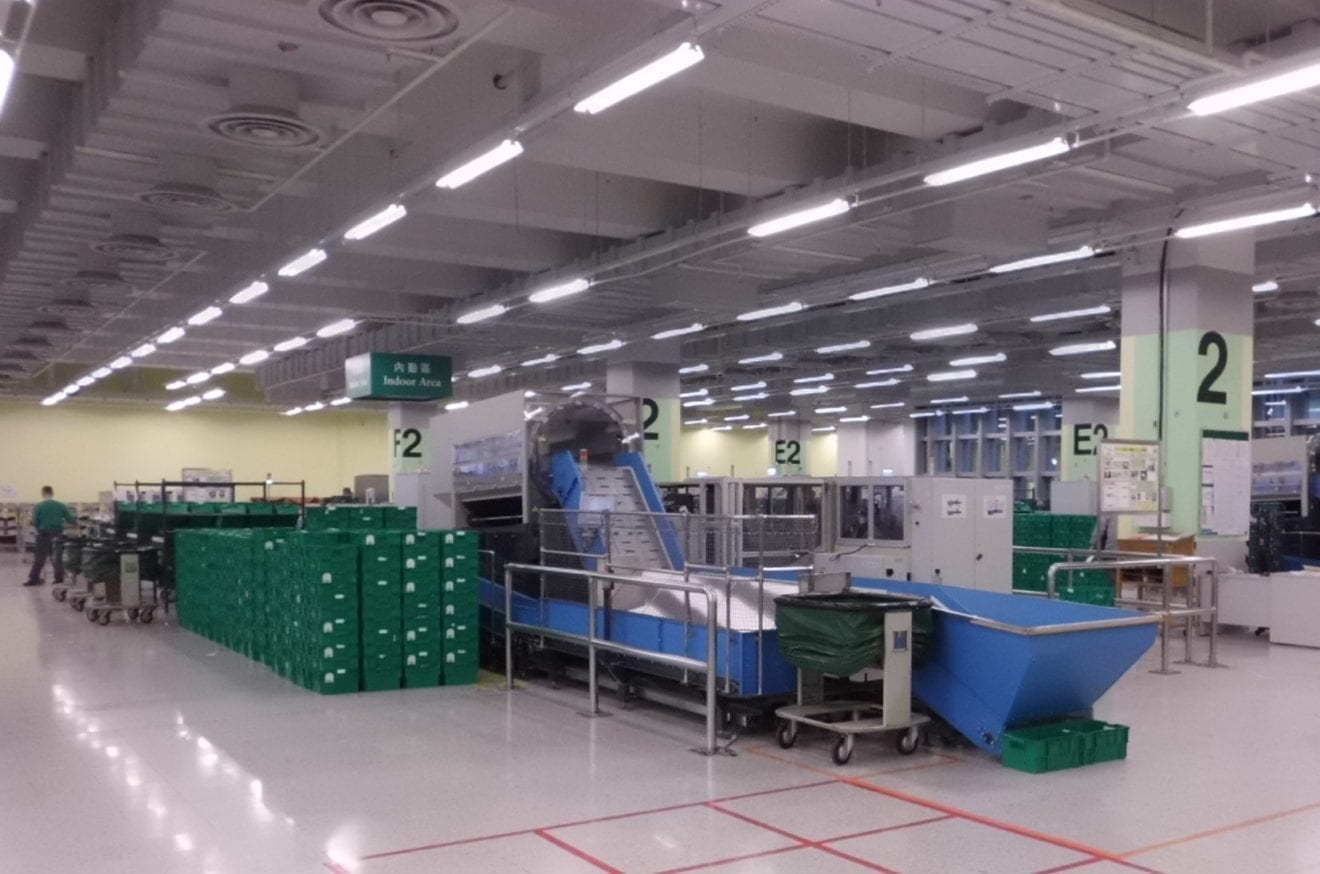
In the second quarter of 2025, notable expansions in Shah Alam and Pulau Indah added approximately 2 million square feet of Grade A warehouse space to the market, answering specialized demand from the Automotive and E&E industries. Surprisingly, vacancies remain astoundingly low, at just 2%, even amid these new deliveries. Companies are increasingly migrating towards premium quality spaces, indicating a clear preference for top-tier facilities.
Despite some anticipated challenges, such as increases in SST and electricity costs slated for July, rental rates have held steady within the market. Pulau Indah, in particular, has seen notable growth as emerging prime facilities close the gap with more established submarkets.
Real Estate Investment Trusts (REITs) are actively expanding their portfolios through strategic acquisitions. A prime example is AmanahRaya REIT’s acquisition of a warehouse in Kuala Langat through a sale-and-leaseback arrangement, which not only secures stable income but also assures operational continuity for the tenant—a win-win in today’s fast-paced market.
What key factors are driving growth in the logistics sector in Kuala Lumpur?
The logistics sector’s growth is primarily driven by the expansion of e-commerce, the Automotive and Electrical and Electronics industries, along with 3PL providers, each increasing demand for modern storage solutions.
How will the new Sales and Service Tax affect landlords and tenants?
The introduction of the 8% SST on real estate leasing transactions will likely prompt landlords and tenants to engage in negotiations to adapt to the new tax landscape, helping to manage the impact on operational costs.
What does the current vacancy rate suggest about the market?
With the vacancy rate at an impressive 2%, the logistics market shows strong demand dynamics, as companies prefer to incorporate higher-quality spaces, indicating a healthy appetite for premium logistical solutions.