
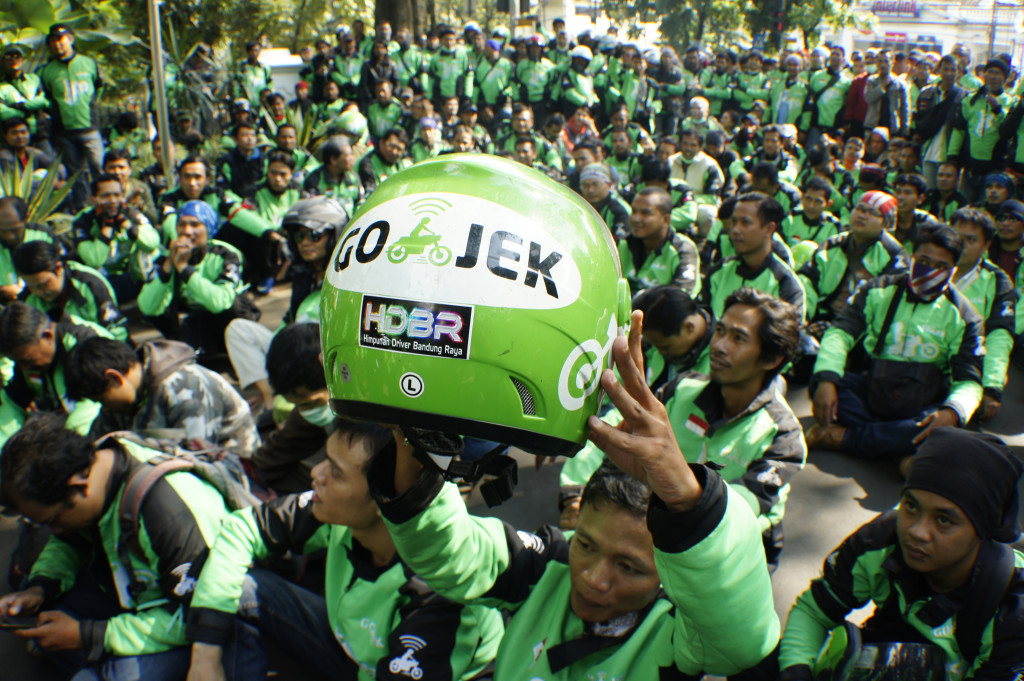
Nadiem Makarim, a co-founder of tech giant Gojek and former education minister, has been found guilty of some charges in a corruption case by an Indonesian court and sentenced to ten years in prison. Makarim, aged 41, has contested the charges, declaring that the case against him is politically driven, an opinion that has garnered support from scholars and rights activists.
This verdict could potentially further weaken investor confidence in Indonesia. The nation’s currency, the rupiah, and stocks have seen a downturn this year following cuts to projections by credit rating agencies due to erratic policy decisions and governance worries. Additionally, the index provider MSCI is considering downgrading Southeast Asia’s largest economy due to concerns over market transparency.
Makarim was accused of profiting from the government’s decision to purchase Google Chromebook laptops for Indonesian schools during his tenure as education minister from 2019 to 2024 under the former administration of Joko Widodo. This decision allegedly resulted in state losses amounting to US$125 million.
Delivering the ruling at Indonesia’s Corruption Court in Jakarta, Chief Judge Purwanto Abdullah declared that a panel of judges had found Makarim guilty of misusing his authority and causing state losses. However, Makarim was acquitted of the charge of directly seeking personal enrichment.
Makarim was ordered to pay a fine of 1 billion rupiah and return over 800 billion rupiah (US$45 million), an amount the judges determined was personal gain from the deal. Failure to return the money would add an additional five years to his prison term, the judges said.
Surrounded by his family and friends, a tearful Makarim expressed his intention to appeal the verdict. He claimed the facts supporting the sentence were unreasonable, adding that he couldn’t meet the payment amount ordered by the court.
Prosecutors alleged that Gojek’s parent company’s investment from Google influenced the procurement decision. They also claimed that Makarim created tender specifications that only matched the Chrome system, making Google the sole controller of the educational environment in Indonesia.
Google, however, wasn’t indicted. Makarim has refuted these allegations, stating there was no personal enrichment, and the investment from Google in Gojek’s parent company had no relation to the procurement.
What were the charges against Nadiem Makarim?
Makarim, former education minister and co-founder of Gojek, was found guilty of abusing his authority and causing state losses.
What are the potential ramifications of this ruling on Indonesia’s economy?
This ruling may further weaken investor confidence in Indonesia, exacerbating existing concerns over unpredictable policymaking, governance issues, and market transparency.
What was the penalty imposed on Makarim by the court?
Makarim was sentenced to ten years in prison and ordered to pay a 1 billion rupiah fine. He was also directed to return over 800 billion rupiah, an amount the judges said he personally gained from the deal.