Grab Holdings, a Singapore-based tech company, surpassed Wall Street’s revenue expectations in Q2, with a surge in consumption across its ride-hailing and food delivery services, seemingly unaffected by global economic uncertainties.
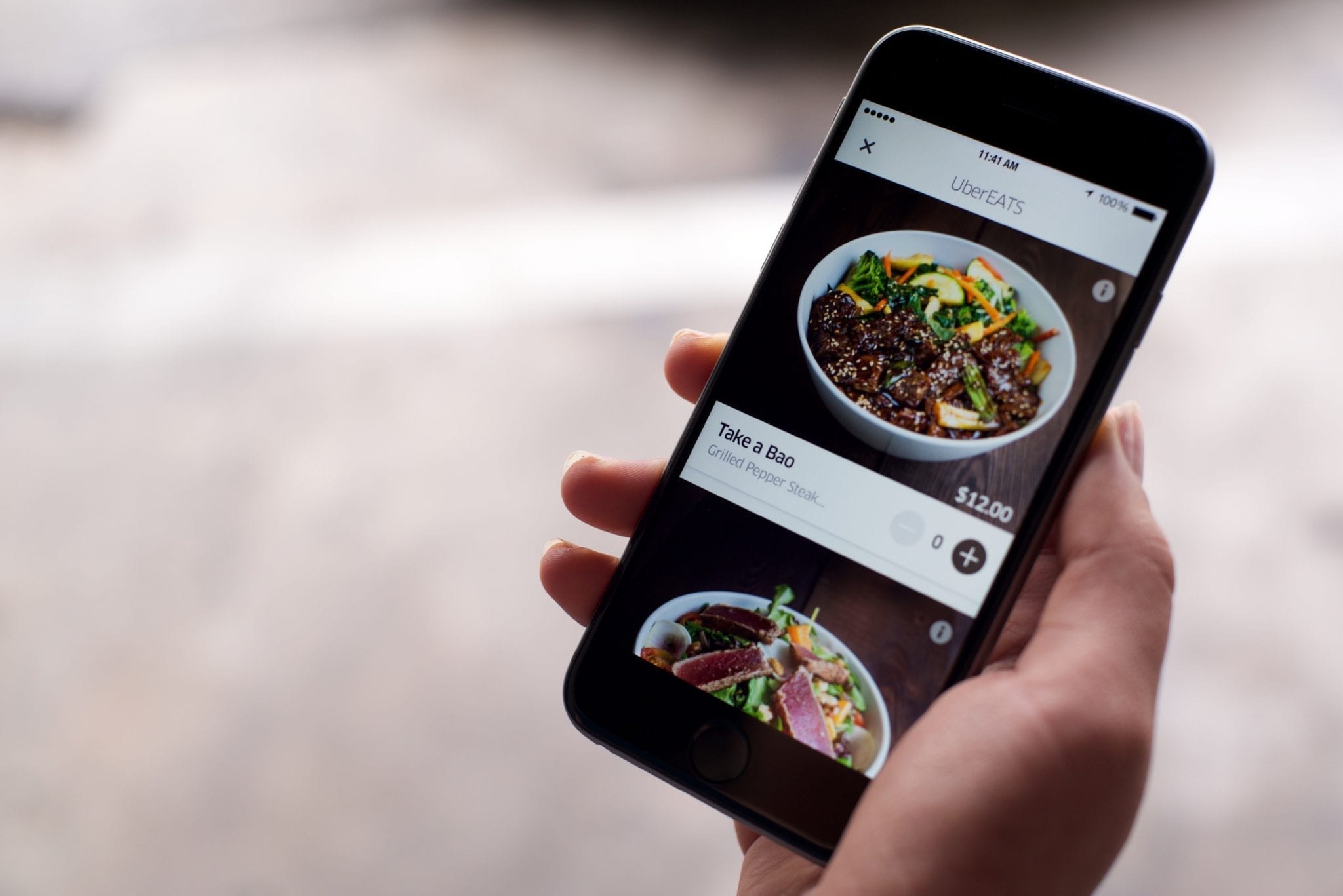
The company’s robust growth can be attributed to its strategic efforts to transform its platform into a multi-functional, superapp. This expansive integration of various digital services, including ride-hailing, food, and grocery delivery, continues to entice a growing number of users, who are increasingly investing in the offered subscription plans.
Despite the unease in global economic stability induced by ongoing US trade negotiations, resulting in worries over tariffs and heightened costs, particularly in Southeast Asia, the Singaporean economy remains robust. In Q2, it witnessed a growth rate of 4.3%, successfully averting a technical recession.
According to Peter Oey, Grab’s CFO, the company’s growth strategy focuses on affordability, which not only encourages growth but also serves as a protective shield against global macroeconomic factors. In a bid to attract price-conscious consumers, the company has been simultaneously working on expanding its driver base to keep up with the rising user demand.
Grab reported an impressive revenue of US$819 million for Q2, surpassing analyst predictions of $811.3 million. The company attributed a significant portion of this success to its robust performance in Indonesia. Previously identified as a market with potential for deeper penetration, the company is now striving to capitalize on the country’s vast population and expand its market share.
According to Oey, Indonesia has proved to be a profitable market for the company, prompting increased investment efforts in the region.
The online service market in Southeast Asia is witnessing a phase of consolidation, with larger entities acquiring smaller firms to diversify their service offerings. Though rumors of Grab’s potential acquisition of smaller Indonesian competitor GoTo were circulating earlier this year, Oey confirmed that no such discussions are underway.
The company’s Q2 financials indicate a remarkable turnaround, with a profit of $20 million, in stark contrast to a $68 million loss in the same period the previous year.
How has Grab Holdings managed to exceed Wall Street’s revenue expectations in Q2?
Grab Holdings has successfully surpassed revenue projections by transforming its platform into a superapp, integrating various digital services and appealing to a growing number of users.
How is the company responding to global economic uncertainties?
Grab Holdings is focusing on affordability as a protective shield against global macroeconomic factors. It is also endeavoring to keep up with increasing user demand by expanding its driver base.
What is Grab Holdings’ strategy for the Indonesian market?
Considering the robust performance and profitability in Indonesia, Grab Holdings is aiming to capitalize on the country’s vast population and increase its market share by investing more in the region.