At the recent MWC Shanghai 2025, Huawei unveiled its latest innovations in artificial intelligence (AI) for home systems, capturing the attention of industry leaders and tech enthusiasts alike. In a world increasingly shaped by digital interactions, Huawei emphasized the critical role of cloud and network collaboration, now elevated to include AI as an integral component in their deployment strategies.
Huawei’s approach to AI-equipped home systems goes beyond mere interpretation; it centers on cultivating a nuanced understanding of individual users. The company aims to craft distinctive profiles that cater to the preferences of each household member. By recognizing vocal tones and tracking habits, Huawei’s AI systems can seamlessly integrate into daily lifestyles—a book lover doesn’t seek out the same recommendations as a movie buff, after all.
While many operators endeavor to build proprietary cloud platforms, Huawei argues that true progress lies in collaboration with third-party cloud operating systems and external applications. Such cooperation is vital to ensure that AI home assistants are not just standalone entities but can interact with various external agents to provide optimal convenience.
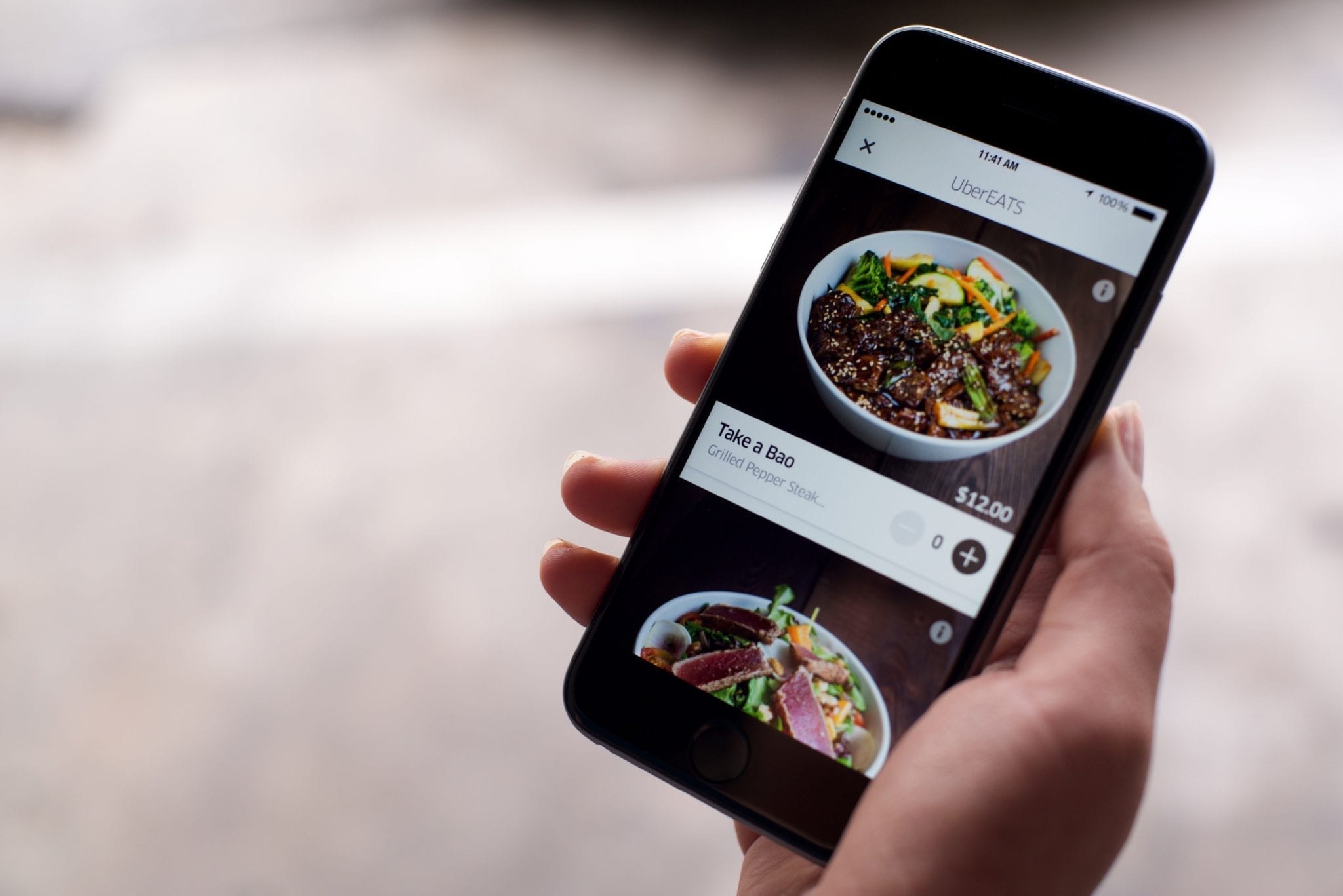
The ambition is to develop sophisticated level-three and level-four applications that enable cross-application collaboration. Huawei is leading this charge with the AI Home Hub, where an integrated AI agent operates directly on the device. A recent example of this is the Unibox TongTong from China Unicom, which utilizes in-app collaboration to streamline ride-hailing through AI Home Apps.
In the quest for smarter living, fiber-to-the-room (FTTR) technology stands as a cornerstone for connecting diverse IoT devices—ranging from cameras to fridges—within homes, all while avoiding the chaos of multiple applications. Huawei’s AI Home Hub acts as a unifying system designed with user experience in mind.
To accommodate the vast amount of data generated by these devices—terabytes containing movies, applications, and personal records—homes will require significant storage capability. This demands a massive volume of data points to train AI assistants effectively. Major telecom operators in China are stepping up, establishing AI-centric data centers equipped to handle this surge in demand.
As internet speed plays a pivotal role in this evolution, broadband packages now typically provide speeds between 100 Mbps to 1,000 Mbps (or 1 Gbps), with entry-level options starting around 300 Mbps. Nonetheless, to power the next wave of interactive, AI-driven applications, networks must scale up to thousands of Mbps. Huawei suggests using shallow compression to enhance service quality, balancing bandwidth needs against latency concerns without introducing pricey hardware solutions.
This remarkable connectivity wouldn’t flourish without support from China’s leading telecom giants—China Telecom, China Unicom, and China Mobile—whose extensive integration of fixed and mobile networks is reshaping user expectations.
With multiplying use cases, including 2D/3D entertainment and versatile video streaming options, retaining subscribers hinges on developing an “open Harmony ecosystem” for diverse IoT appliances. HarmonyOS, Huawei’s next-generation platform, promises an improved connection across a myriad of smart devices, enhancing inter-device collaboration.
Huawei’s AI Home system is more than just tech; it’s a glimpse into a smarter future. Take Sarah, the virtual personal assistant, who can intelligently schedule tasks and suggest meals based on a user’s fridge content. If the whole house isn’t interconnected, how effective can such innovations be?
China Unicom’s AI assistant, designed for home use, dons a versatile skill set with 16 functions, including home security and exercise tracking—all controllable through voice commands. Even children can request suitable movie options, while the system taps into third-party content to streamline user experiences, proving that tech is truly for everyone.
Moreover, built-in AI trainers can assess performance during workouts or yoga sessions and even serve as a personal tutor, enhancing educational journeys tailored to individual learning styles. The innovative 3D-Optical Sensing solution can also keep an eye on the elderly, achieving a remarkable recognition rate of 90% for monitoring movement.
For telecom operators, the future here is lucrative as monetization extends beyond mere connectivity to encompass encompassing AI solutions. Huawei’s framework—integrating cloud, AI, network, and device capabilities—provides operators with the tools to deploy their own AI agents, reinforcing the necessity for complete connectivity in today’s ever-evolving scenarios. Together, they are shaping a smooth, intelligent “smart life” for consumers in Asia and beyond.
How does Huawei’s AI Home system enhance user experience?
The AI Home system creates tailored user profiles through voice recognition and habit tracking, providing personalized recommendations and seamless integration across different household needs.
What role does speed play in the effectiveness of smart home applications?
As the complexity of smart applications increases, higher broadband speeds (up to 5,000 Mbps) become essential to minimize latency and support real-time, interactive functions.
How are telecom operators adapting to the rise of AI-driven home solutions?
Operators are establishing AI-focused data centers and adopting advanced connectivity solutions to enable large-scale deployment of AI technologies, enhancing user engagement and satisfaction.