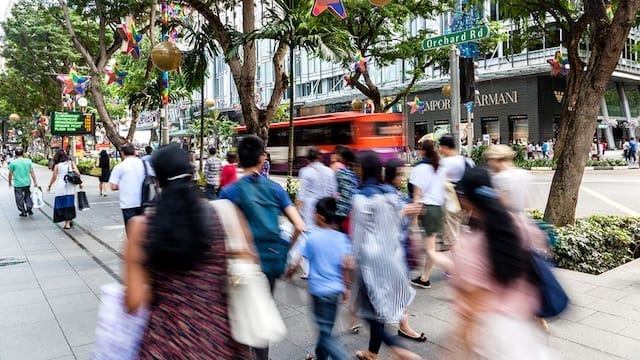
Shifting consumer habits and an evolving retail landscape are pushing brands to rethink their strategies in Asia, particularly in the wake of a retail renaissance fueled by innovation and adaptability. As global giants and local players navigate an environment marked by increasing competition and shifting shopping behaviors, the need to stand out has never been more crucial.
Brands are tapping into new ways of engaging consumers, particularly through social media platforms. Recent reports indicate that nearly 75% of shoppers in Asia rely on social media for product inspiration. This trend sees retailers harnessing platforms like TikTok and Instagram to create immersive shopping experiences and foster deeper connections with consumers.
Yet, it’s not just about flashy campaigns; authenticity remains vital. Companies that succeed are those that effectively communicate their values and provide engaging narratives that resonate with local consumers. High-profile collaborations, limited-edition releases, and interactive experiences have become common tools in the marketer’s kit. In a region where personalization holds the key to consumer hearts, brands are increasingly embracing tailored approaches to meet diverse preferences.
E-commerce is riding a wave of growth in Asia, spurred by the pandemic’s acceleration of online shopping trends. Data shows that countries like China and India are at the forefront, with millions of consumers opting for digital marketplaces over traditional retail outlets. This evolution presents a promising landscape for both established players and newcomers eager to capture market share.
One notable development is the rise of live shopping events, where brands combine entertainment with commerce, transforming how consumers interact with products. Striking a delicate balance between engagement, entertainment, and education has proven effective, as retailers look to bring a personal touch to the digital shopping experience. What’s more surprising is how these events can turn a simple product showcase into a thrilling, must-watch experience, reminiscent of a blockbuster movie premiere.
The importance of leveraging data analytics has never been clearer. Retailers are increasingly utilizing insights from consumer behavior to drive decision-making, streamline inventory management, and even influence product design. Understanding the journey of the consumer—from initial interest to final purchase—enables brands to refine their strategies and enhance customer satisfaction.
Companies that effectively integrate real-time data are more aligned with their customers’ evolving needs, making informed decisions that can drastically reduce overhead and increase profits. The modern retail battleground requires adaptability, and the wise brands are ensuring they remain a step ahead by making data their loyal ally.
However, as retailers in Asia push for innovation, challenges abound. Navigating regulatory hurdles, adapting to rapidly changing consumer preferences, and addressing sustainability concerns complicate the path to success. Brands must be agile, ready to pivot in response to unforeseen circumstances while remaining committed to their long-term vision and values.
In this dynamic landscape, partnerships and collaborations can provide the support needed to tackle these hurdles. Whether it’s teaming up with tech innovators or collaborating with local influencers, the right alliance could very well be the secret ingredient to thriving in Asia’s bustling retail sector.
How are retailers in Asia adapting to changing consumer habits?
Retailers are increasingly leveraging social media for consumer engagement, focusing on authenticity and personalized experiences to stand out in a competitive market.
What role is e-commerce playing in Asia’s retail landscape?
E-commerce is booming in Asia, spurred by the pandemic, with innovations like live shopping events radically transforming the e-commerce experience and engaging consumers in new ways.
What challenges do retailers face in this rapidly evolving market?
Retailers grapple with regulatory hurdles, shifting consumer preferences, and sustainability concerns, all of which require agility and strategic partnerships to navigate successfully.