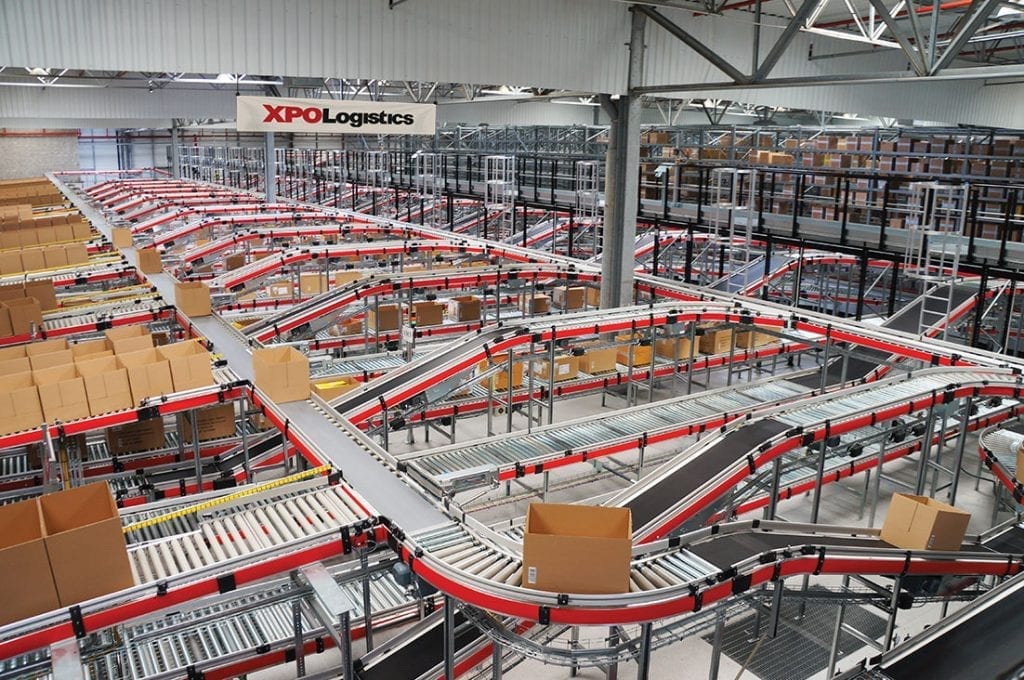
Record growth is on the horizon for Jakarta’s logistics sector as the city prepares for a significant surge in demand for industrial spaces by FY2025. A recent report from JLL forecasts that nearly 250,000 square meters of new logistics facilities will become available in 2025, leading to a cumulative supply of around 3.2 million square meters. This is expected to keep vacancy rates impressively low, around 9%.
However, various challenges must be overcome to bolster global competitiveness and attract foreign direct investment (FDI). The report highlights the need for improvements in permitting processes and the enhancement of supporting infrastructure within industrial estates.
Interestingly, over half of the inquiries for these spaces originated from Chinese enterprises pursuing multi-functional industrial complexes that integrate warehousing, workshop, and assembly capabilities. Key sectors fueling this demand include electric vehicles, electronics, and automotive industries.
Net absorption rates have remained robust, surpassing 100,000 square meters, in alignment with the previous quarter’s performance. The lion’s share of this demand is concentrated in Cikarang, known for its accessibility to toll gates, with additional activity noted in Depok-Bogor and Karawang.
The market experienced a drop in vacancy rates from 9.5% to an impressive 5.9% due to a lack of new completions in Q2, underscoring the sector’s resilience amid soaring demand. Analysts project several new developments will come to fruition in the latter half of 2025, primarily located in Jakarta, Cikarang, and Karawang, totaling around 242,600 square meters.
The eastern corridor, particularly Cikarang and Karawang, is anticipated to contribute an additional 102,400 square meters of new supply in H2 2025, continuing its appeal as a vital testing ground for foreign manufacturers eyeing the Indonesian market.
Despite the fluctuations in demand, rental rates have remained stable. Landlords in the eastern corridor are employing flexible pricing strategies to attract tenants. While net rents have stayed consistent since Q1, certain properties—particularly those near toll gates or with limited availability—have seen modest price increases. Cikarang has notably offered competitive rates to lure businesses.
As land prices escalate, modest rental growth has led to compression in yield, settling between 7.0% and 7.5%. Limited availability of industrial land, particularly in eastern Jakarta, continues to drive prices up, creating a dual-edged sword for developers and investors alike.
What is driving the increased demand for logistics spaces in Jakarta?
Demand is largely fueled by Chinese companies seeking multi-functional industrial areas, with significant contributions from the EV, electronics, and automotive sectors.
How have vacancy rates changed recently?
Recent analysis indicates that vacancy rates have tightened from 9.5% to 5.9% due to strong demand and a lack of new completions in the second quarter.
What strategies are landlords using to attract tenants in the eastern corridor?
Landlords are implementing flexible pricing strategies to entice tenants, maintaining competitive rates while adapting to market fluctuations.