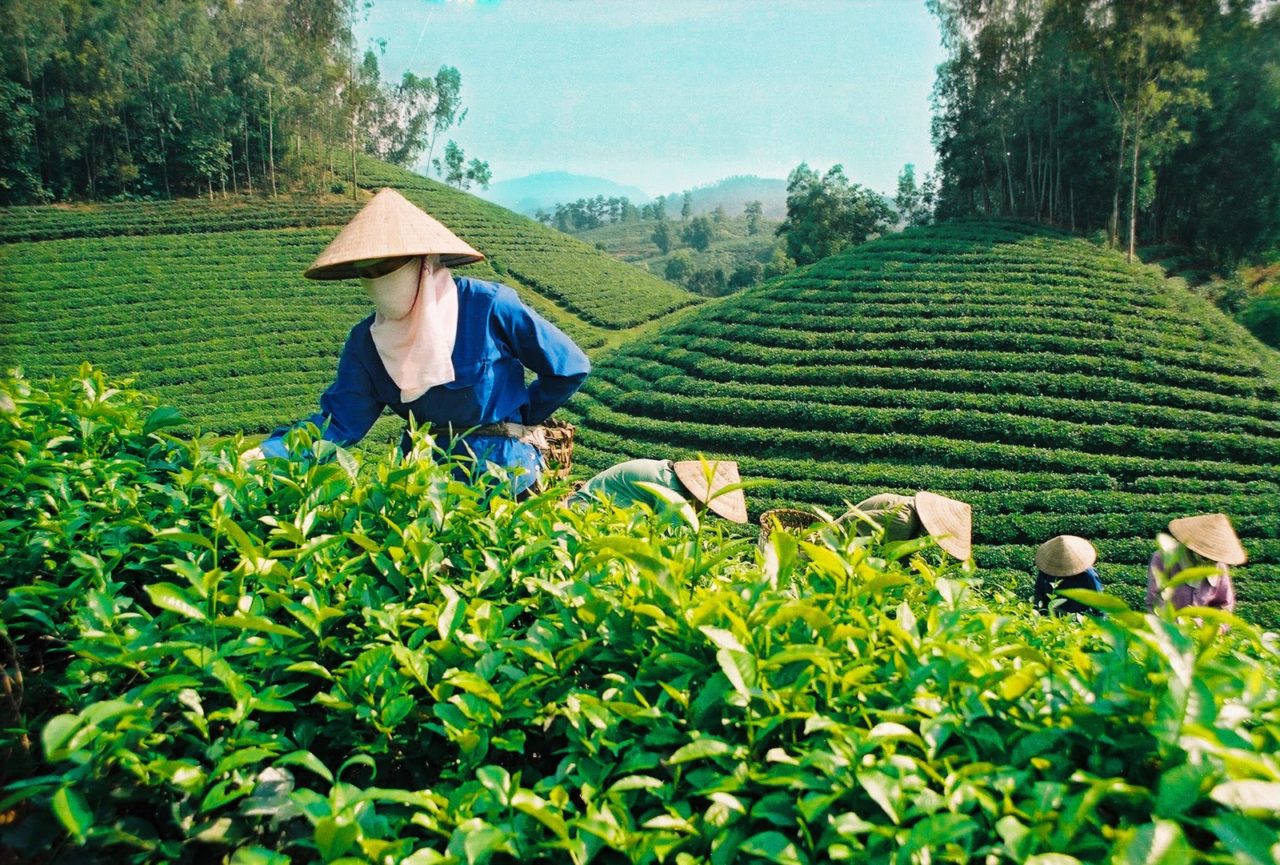
Yoshihisa Tawara, a Japanese business owner, is taking measures to improve benefits for his Vietnamese employees in order to secure their continued employment. Tawara’s concerns arise from the fear that rapid economic development in Vietnam, combined with an increasing yen, may discourage Vietnamese workers from seeking employment in Japan.
At the Choshi fishing port in Chiba Prefecture, Ho Thi Thuy Nhung begins her shift at eight in the morning. In a display of raw skill and concentration, she deftly cuts off fish heads and tails and sends them down the grill line. Initially, she found the intricacy of the process overwhelming but has since fully adapted.
Nhung is one of 16 Vietnamese employees who work alongside 64 others at the canning factory. Tawara, the factory’s general director, asserts the indispensable role of migrant workers in the functioning of leading industries in Chiba – particularly within the canning sector. They tackle a vast range of tasks, from fishing to unloading and processing.
Nonetheless, Tawara is increasingly concerned about whether employees like Nhung will choose to continue working in Japan. His worries are not baseless. Japan’s population is aging, and Southeast Asian nations, notably Vietnam, are making leaps in economic advancement and offering increasingly competitive salaries.
Nhung moved to Japan for work last summer, leaving behind her family in Vietnam. Despite working strenuously for 14 hours each day in Vietnam, she was only earning US$500 a month, barely managing to cover her family’s living expenses. Her husband was also struggling financially.
The decision to take a $3,800 loan and relocate to Japan for work was a significant risk for Nhung. Despite the challenges, she felt compelled to secure a better future for her son. Today, she earns approximately $830 a month (after taxes and other deductions) and sends $510 back home.
Recognizing the importance of migrant workers such as Nhung, Tawara has initiated significant changes to his business. He transformed a three-story townhouse into a fully furnished dormitory for his employees and furnished it with all necessary amenities, including cooking appliances. Over the past three years, he has prioritized hiring women over 30, valuing their resilience and professional dedication.
In light of the current situation, Japanese authorities are planning to overhaul the existing technical internship program, criticized for labor exploitation, with a new scheme in 2027 that will offer more benefits to workers.
Nhung hopes to achieve financial stability and return to Vietnam within the next three years. In contrast, her colleague, Nguyen Thi Kim Thuan, has decided to stay longer to support her two children through college.
According to Tawara, migrant workers don’t just come to Japan for work – they have lives and the right to make their own decisions. If they elect to stay, he believes employers have a duty to offer support and companionship on their journey.
What does Yoshihisa Tawara attribute the success of his canning factory to?
Tawara believes that the significant contribution of migrant workers is fundamental to the smooth functioning of his canning factory.
What are the main factors causing concern about Vietnamese migrant labor in Japan?
The rapid economic growth in Vietnam and the weakening yen in Japan are the main factors causing concern about the future of Vietnamese migrant labor in Japan.
What steps has Yoshihisa Tawara taken to improve the conditions for his Vietnamese workers?
Tawara has provided a fully furnished dormitory for his workers, equipped with all necessary amenities. Additionally, he has prioritized hiring women over 30, recognizing their perseverance and professional commitment.