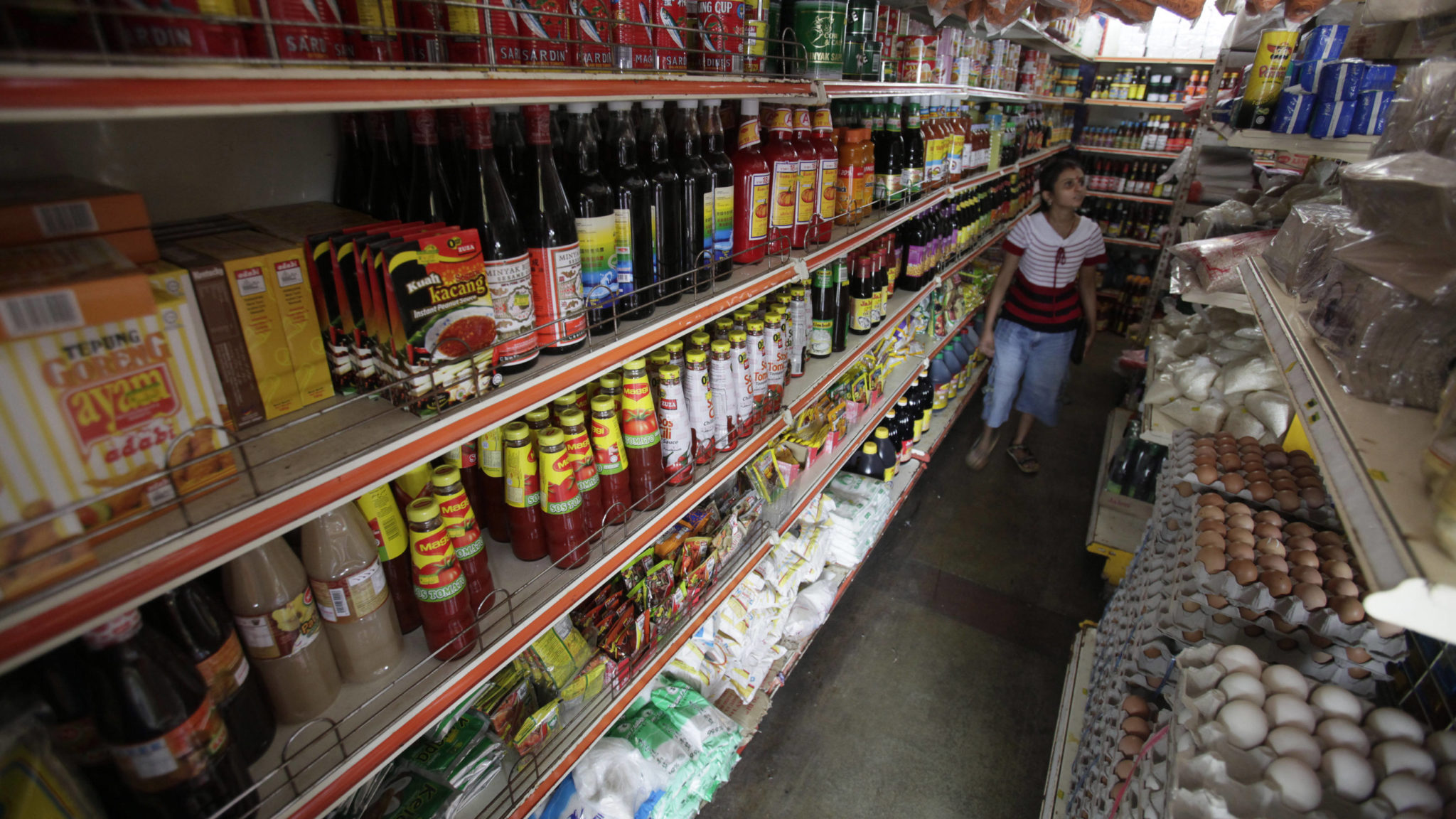
Even as the cost of raw materials rises, food service operators in Johor, the southernmost state of Malaysia, have not yet increased their prices. However, if the Middle East conflict continues, these increases may become unavoidable.
Hussein Ibrahim, the Secretary of the Johor Indian Muslim Entrepreneurs Association, shared that member restaurants have maintained current prices despite a 20-30% increase in raw ingredient costs since March. “We can’t just raise our prices as Malaysians are cost-conscious, which could impact our business,” he stated.
The association boasts 338 members, including around 200 Indian-Muslim food service operators throughout Johor, with the majority in Johor Bahru, a city on the Singapore border. To deal with increasing expenses, many operators are considering reducing portion sizes, according to Hussein. He also mentioned that unavoidable price increases might be on the horizon if the current crisis continues.
Roland Lim, head of the Johor Bahru City Businessmen and Traders Association, reported a similar narrative, affirming that member restaurants have also kept their prices steady. He pointed out that downtown Johor Bahru restaurants have been hit hard by tighter security measures at the Johor-Singapore Causeway. These new procedures, established earlier this year, have caused Malaysians commuting to work in Singapore to skip their usual breakfast stops and go straight to immigration checkpoints. Reduced dining out by families, combined with ongoing infrastructure projects and subsequent traffic congestion, have further decreased restaurant patronage.
The ongoing conflict has resulted in increased food prices in Johor and other regions of Malaysia since February 28. By March’s end, vegetable prices in Johor Bahru had surged by 20-30%, attributed to higher transportation costs due to diesel price hikes and a prolonged heatwave.
More recently, Economy Minister Akmal Nasrullah Mohd Nasir reported price increases for certain food items in the first week of May. For example, the price of Indian mackerel increased by 3.9% to RM17.42 (US$4.43) per kilogram; white prawns were up 1.2% to RM32.11 per kg; and fresh coconut milk rose 6.7% to RM16.88 per kg. Despite these increases, he reassured that food prices remain within a manageable range, with some items, such as beef, experiencing price reductions.
Mohamad Sabu, the country’s Agriculture and Food Security Minister, warned that food prices could escalate in the upcoming three to six months due to increased production costs, such as fertilizer, animal feed, and fuel. “When these costs rise, market prices may also be affected,” he stated.
What are the potential consequences of the Middle East conflict on Malaysian food service operators?
If the Middle East conflict continues, price hikes may become unavoidable due to rising costs of raw materials.
How are food service operators in Johor dealing with the increasing costs?
To cope with the rising costs, many operators are considering reducing portion sizes.
How have recent price increases in various food items affected the overall food prices in Malaysia?
Despite recent price increases in certain food items, the country’s Economy Minister reassured that food prices remain within a manageable range, with some items experiencing price reductions.