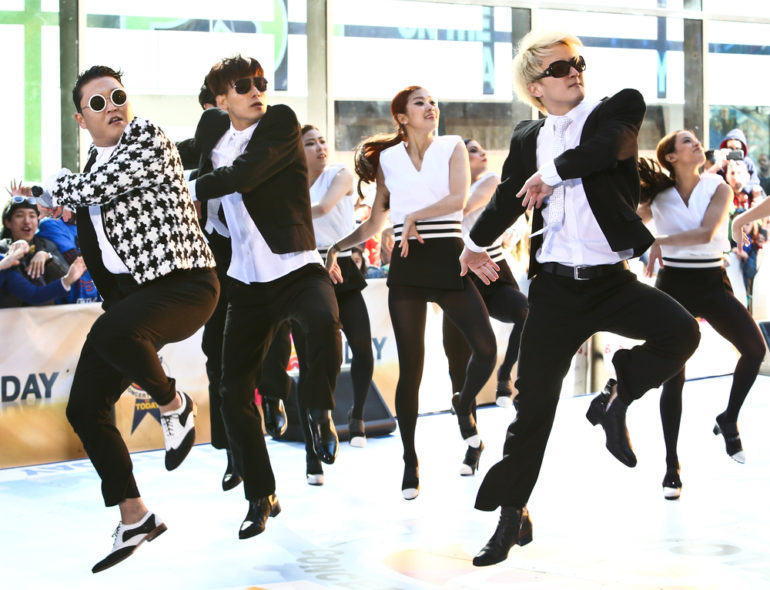
The rising popularity of South Korean culture, often referred to as the ‘Korean Wave’, is driving record numbers of international tourists to the country. In response, South Korean retailers are intensifying their marketing strategies to cater to the growing demand for K-beauty products, K-pop merchandise, and unique cultural experiences.
Data from the industry, released on October 19, indicated that the number of foreign tourists visiting Korea between January and August reached 12.38 million. This is a 16 per cent increase compared to the same time frame in 2024 and even exceeds pre-pandemic levels in 2019 by nearly 8 per cent. Capitalizing on this influx, retailers are offering a variety of services such as beauty consultations, pop-up stores, and immersive events that blend modern retail with traditional Korean culture.
One of the leading health and beauty retailers, CJ Olive Young, expanded its ‘personal shopper’ and skin consultation services at its flagship stores, which are typically frequented by foreign visitors. At its Central Gangnam location, tourists can schedule a 45-minute personalized shopping session via the travel platform Klook. These sessions include product recommendations and makeup advice.
At Olive Young N Seongsu, guests are offered skin and scalp analysis, personalized color consulting, and custom beauty tutorials. A company spokesperson highlighted the high interest of foreign tourists in understanding K-beauty trends and receiving customized product advice. They noted that foreign customers now constitute 60 to 70 per cent of consultation users at the Seongsu branch.
Olive Young has also introduced K-pop pop-up stores at its Myeongdong, Seongsu, and Hongdae locations. These stores allow shoppers to buy albums and receive exclusive photo cards, a strategy aimed at capturing the worldwide K-pop fan base.
Convenience store chains are also morphing into mini K-culture centers. GS25’s “New Annyeong Insadong” location features an AI-powered beauty device that analyzes a visitor’s facial shape and personal color, providing immediate product recommendations that can be bought on-site.
Seven-Eleven, under Lotte Group, has established special retail zones that sell albums and merchandise from popular groups like SF9, NCT Wish, and Seventeen.
Duty-free retailers are also providing experiences beyond shopping. Shilla Duty Free’s Seoul branch offers complimentary jjimjilbang (Korean sauna) vouchers to Taiwanese customers who buy a certain amount of K-brand products. Lotte Duty Free’s Myeongdong main store organizes postcard-writing events, allowing visitors to send messages overseas.
Retailers are also leveraging the global interest generated by the Netflix animated film K-Pop Demon Hunters, which showcased traditional Korean medicine and crafts. Lotte Duty Free is issuing discount coupons to tourists visiting Seoul K-Medi Center, the real-life counterpart to the film’s setting.
Hyundai Department Store’s The Hyundai Seoul recently hosted a traditional crafts event. Here, foreign visitors could create Korean accessories like norigae charms and bracelets, guided by English-speaking instructors.
According to industry experts, these initiatives reflect the retail sector’s transformation beyond conventional shopping towards immersive experiences steeped in Korean culture. As articulated by a tourism official, “Korean retailers are no longer just selling products – they’re selling a piece of Korea itself.”
Q: What is the ‘Korean Wave’?
A: The ‘Korean Wave’ refers to the global rise in popularity of South Korean culture, encompassing music, television dramas, films, fashion, and beauty trends.
Q: How are South Korean retailers responding to the increased number of foreign visitors?
A: Retailers are tailoring their services to cater to these visitors. This involves offering personalized shopping sessions, setting up pop-up stores dedicated to K-pop, and organizing events that blend modern retail with traditional Korean culture.
Q: How are convenience stores participating in the trend?
A: Convenience stores are transforming into mini K-culture hubs. For example, GS25 provides an AI-powered beauty device that provides immediate product recommendations, while Seven-Eleven sells albums and merchandise from various K-pop groups.