
As Asia continues to be a global retail powerhouse, new strategies and trends are emerging that are reshaping the landscape. One of the most talked-about phenomena in the region is the rise of omnichannel retail, which has transformed how businesses engage with consumers. Retailers are increasingly blending online and offline experiences, recognizing that today’s shoppers crave flexibility, convenience, and a seamless journey from browsing to purchasing.
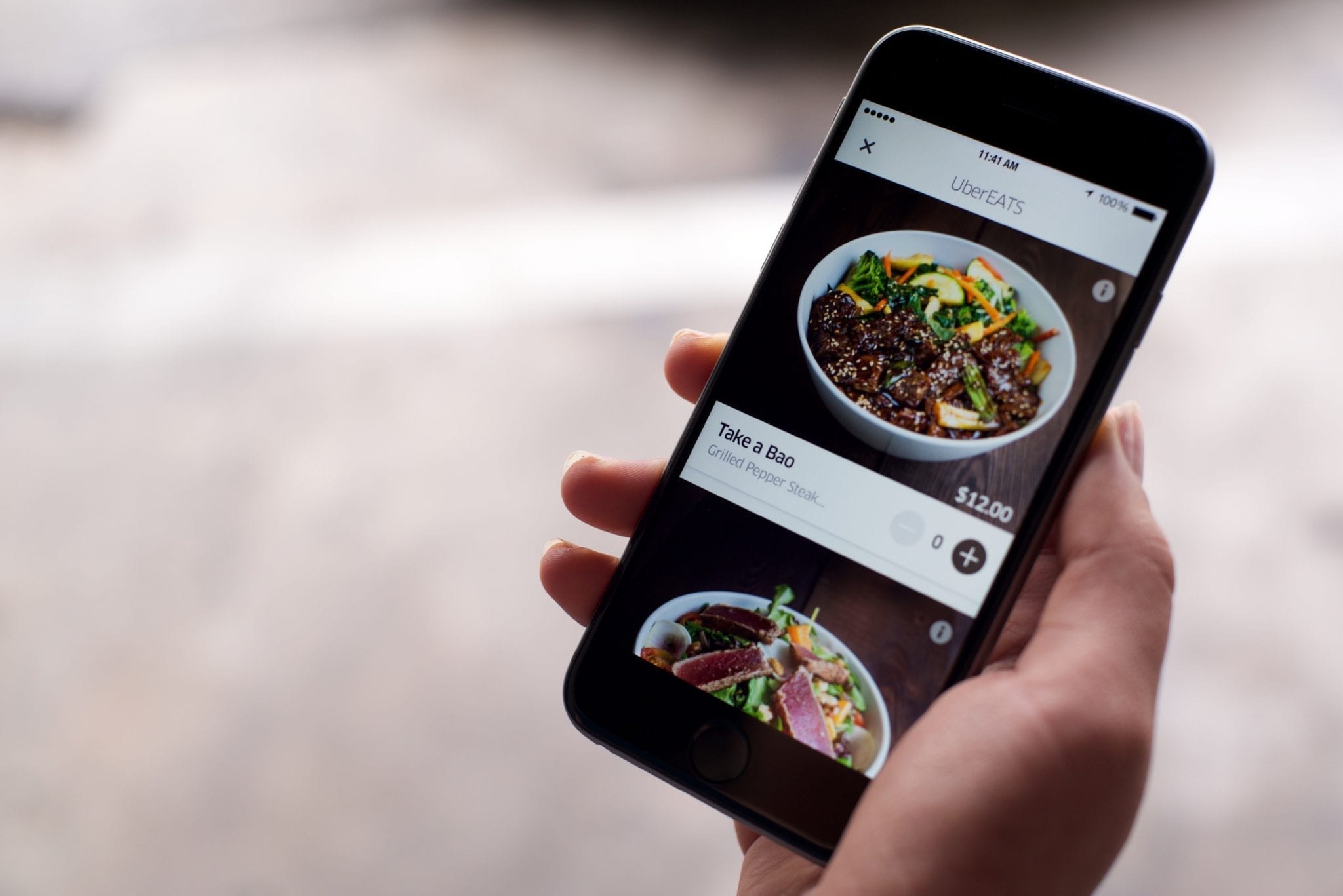
In major Asian markets, brands are embracing technology to fortify their omnichannel strategies. Retailers are deploying innovative solutions like mobile apps, augmented reality, and personalized marketing to capture the ever-elusive, tech-savvy consumer. In China, for example, businesses are taking advantage of super apps that combine shopping, social media, and payment systems all in one platform, making it easier than ever for consumers to navigate their buying decisions.
The pandemic has accelerated this shift. Consumers, now accustomed to the convenience of digital shopping, are less loyal to brands that fail to meet their expectations. As a result, retailers are rethinking their strategies, finding ways to integrate their physical stores with digital platforms to create a more engaging shopping experience. This shift is not without its challenges; inventory management, consistent branding, and rapid order fulfillment are just a few of the hurdles that retailers must overcome in this new digital age.
Sustainability is no longer just a buzzword in retail; it’s becoming a critical factor influencing consumer choices across Asia. As awareness around environmental issues grows, brands are finding that adopting sustainable practices can significantly enhance their appeal. Companies are now looking at everything from ethically sourced materials to eco-friendly packaging, which resonates particularly well with younger consumers.
In Japan, for instance, retailers are focusing on recycling initiatives and reducing plastic waste, showcasing their commitment to sustainability as a core aspect of their business identity. This trend is more than just ethical; it’s financially savvy, as studies indicate that consumers are willing to pay a premium for products they perceive as environmentally friendly.
The future of retail in Asia is not just about adapting to current trends; it’s also about anticipating the next big thing. One surprising innovation gaining traction is the rise of social commerce, where platforms like TikTok are turning into virtual marketplaces. Imagine scrolling through a feed filled with videos and discovering you can buy that stylish jacket or trendy gadget without ever leaving the app—it’s an exciting prospect that could redefine shopping.
Retailers are also exploring the potential of artificial intelligence and machine learning to predict consumer behavior, manage supply chains, and personalize marketing efforts. This technologically driven approach not only streamlines operations but also fosters deeper connections with customers by offering tailored experiences.
As the retail landscape evolves, one thing is clear: adaptability is key. Brands that are willing to embrace change and innovate will not only survive but thrive in the dynamic Asian retail market.
What is omnichannel retailing, and why is it important in Asia?
Omnichannel retailing refers to the seamless integration of online and offline shopping experiences. It’s crucial in Asia due to the region’s tech-savvy consumers who expect a flexible and convenient shopping journey.
How are brands in Asia addressing sustainability?
Many Asian retailers are adopting sustainable practices, such as using eco-friendly materials and reducing plastic waste, to appeal to environmentally conscious consumers, especially younger shoppers who prioritize sustainability.
What are some innovative trends shaping the future of retail?
Trends like social commerce, where platforms like TikTok facilitate shopping, and the use of AI to personalize shopping experiences are at the forefront of innovation, promising to transform how consumers interact with brands.