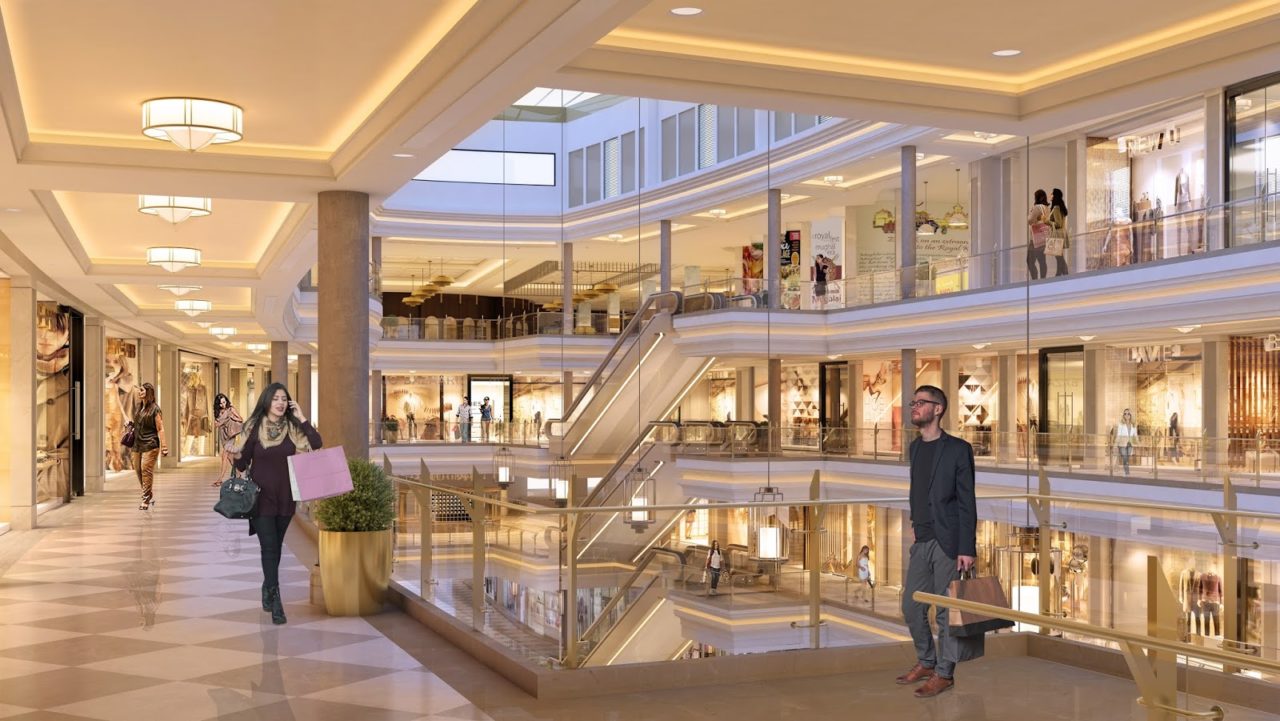
Kuala Lumpur’s retail landscape remains steadfast, with no new malls gracing the City Centre in the second quarter of 2023, according to the latest report from JLL. The retail inventory in this prime sector holds steady at around 11.5 million square feet, while the Suburban submarket totals a robust 37.3 million square feet. Adding to the excitement, the much-anticipated Ombak KLCC is set to open its doors by the fourth quarter of 2025, promising to enrich the local shopping experience.
The report highlights a slight improvement in the overall vacancy rate, a trend fueled by robust demand and brand expansions across both submarkets. Landlords of underperforming malls are stepping up their game, proactively repositioning and refreshing their brand mixes to attract new tenants. “The game plan is clear: adapt and thrive,” the report suggests.
Demand for food and beverage (F&B) options and fashion retail remains vibrant, with exciting new entrants like Benihana, Tous Les Jours, and Cabbeen making their mark. Marimekko, an established name, has also ramped up its expansion efforts. New immersive retail experiences have debuted with Pop Mart and Wilson, adding a much-needed layer of interactivity to the shopping journey. Who needs a regular browsing session when you can have a hands-on adventure instead?
However, it wasn’t all sunshine and roses in the retail realm, as the quarter saw notable closures, including Don Don Donki, Spotlight, and a premium grocer in the Suburban area. Yet, the influx of new entertainment, leisure, and co-working tenants occupying larger spaces offers a stabilizing effect on market demand.
As for rent growth, the market recorded a modest rise buoyed by healthy leasing activity and demand. Still, mall operators are grappling with higher operating costs due to wage increases and soaring energy expenses, which have prevented more aggressive rent hikes.
While the current landscape revealed no notable prime en bloc investment transactions, recent activities have primarily occurred in the suburban submarket, with buyers looking to expand their property portfolios amid cautious optimism.
Looking ahead, a positive retail demand outlook persists, notwithstanding policy shifts. The City Centre should expect a new retail influx of 1.27 million square feet within a year. While vacancy rates may temporarily tick up, the anticipated Visit Malaysia Year 2026 is set to stimulate demand, buoyed by a rise in tourist activity and spending.
With tourism numbers on the rise and Malaysia’s unemployment rate dipping to a decade-low, retail demand could enjoy a stable trajectory. However, a spike in the sales and services tax looms, potentially impacting consumer spending and pushing up operating costs for mall operators.
What factors contributed to the slight improvement in the overall vacancy rate?
The improvement in the vacancy rate can be attributed to firm take-ups and brand expansions across both the City Centre and Suburban submarkets, as landlords of low-performing malls have actively repositioned their brands to attract new tenants.
Which new brands entered the Kuala Lumpur retail market recently?
Recent entrants include Benihana, Tous Les Jours, and Cabbeen in the F&B and fashion sectors, with established brand Marimekko also expanding its presence.
What does the future hold for Kuala Lumpur’s retail landscape?
Despite potential increases in vacancy rates due to new supply, a positive outlook for retail demand is among the predictions, especially in light of the upcoming Visit Malaysia Year 2026, set to boost tourist spending.