In a noteworthy shift that underscores the evolving landscape of retail, major luxury brands are retreating from department stores in Japan’s less urban areas, leaving store managers grappling with the challenge of maintaining customer interest. This trend signifies a significant change in consumer behavior and retail strategy in the region.
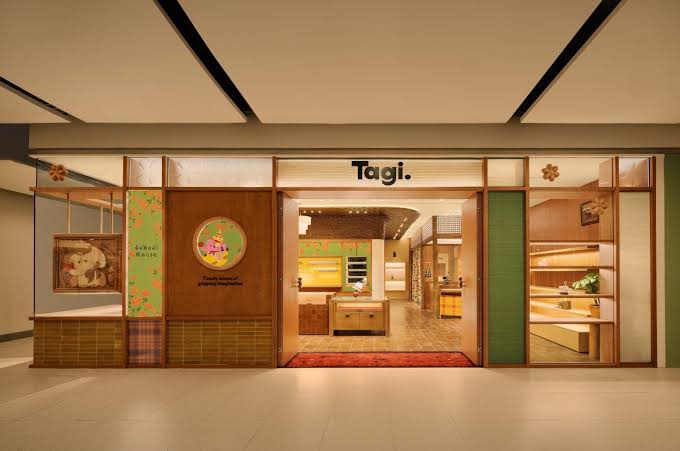
American jewelry giant Tiffany recently shuttered its outlet on the first floor of the Keisei Department Store in Mito, marking a dramatic shift in the availability of high-end shopping options in Ibaraki Prefecture. This closure followed the December exit of France’s iconic Louis Vuitton from the same location, leaving a conspicuous void in the luxury offering for residents and visitors alike.
Once a bastion of luxury retail in the outskirts of the greater Tokyo metropolitan area, the department store now features blank spots where these high-profile brands once showcased their goods. With two of the only directly operated luxury outlets in the region gone, the lingering question remains—what will fill the luxury space now absent from Mito’s retail scene?
The departure of these prestigious labels is sending ripples through local retail operations as managers strive to adapt to a market increasingly shifting towards a preference for urban shopping experiences. Store managers are now left in a precarious position: how do they keep customers engaged when the allure of luxury is sidelined? The fading presence of such brands challenges the traditional department store model that has long been a staple in Japanese retail.
As consumer priorities evolve, this trend could encourage a much-needed pivot in the strategies employed by these stores, perhaps giving room for more niche brands or localized offerings. Perhaps we’ll see that what loses in luxury may gain in unique experiences—who knows? Maybe a sushi-tasting event could become the next big draw!
While the departure of major luxury brands from suburban department stores is alarming for some, it also opens the door for innovation within the retail sector. As consumer dynamics change, traditional retailers will need to rethink their approach to remain relevant. With globalization and digital shopping continuing to gain traction, Mito and similar locales may have to adapt in ways previously overlooked.
What does the closure of Tiffany and Louis Vuitton outlets signify for the retail landscape in Japan?
The closures highlight a shift in consumer behavior, with luxury brands retreating from smaller markets, reflecting a growing preference for urban shopping experiences.
How are department store managers responding to the loss of luxury brands?
Store managers are tasked with finding ways to keep customers engaged, potentially by shifting focus to niche products or unique experiences.
Could the departure of luxury brands lead to new opportunities for local retailers?
Yes, this trend might encourage local retailers to innovate, leading to an increased emphasis on personalized shopping experiences and localized offerings.