
Unilever’s ice cream subsidiary, Magnum Ice Cream Company, is preparing for a significant spin-off worth billions next month. As it separates, the business is set to navigate various obstacles, including logistics issues and the emerging popularity of weight loss medications. The head of its supply chain, Sandeep Desai, discussed these challenges and the company’s strategies.
Magnum Ice Cream Company is gearing up for its listing in Amsterdam on December 8th, a move that will put its sugar-rich products to the test in terms of investor interest. This comes at a time when GLP-1 weight loss drugs are shifting consumer behaviors and amidst a health campaign in the U.S. The company is presenting itself as a business centered around ice cream and is banking on the lingering appeal of ‘treat’ foods that consumers continue to desire. It includes its own Magnum ice creams and other brands like Solero, Viennetta, and Ben & Jerry’s.
Desai stated, “We are focused on ice cream and ice cream only.” He mentioned the company-wide mindset of finding ways to produce and sell more ice cream, arguing that this provides a unique level of focus.
Magnum recognizes the potential impact of GLP-1 drugs on its business but remains optimistic about the long-term demand for its products. Desai acknowledged the importance of the weight-loss drug trend but emphasized that ice cream remains a sought-after indulgence.
In an effort to adapt, the company is introducing products that emphasize hydration and protein. Jamie Farrell, the head of the company for UK and Ireland, highlighted the lower-sugar options and smaller portions that Magnum has already introduced. When asked about the rising popularity of weight-loss drugs, Farrell stated, “We see it as a challenge. Can we create… more new products that move with the times?”
The company has invested 50 million pounds ($66 million) in its Gloucester factory in West England, as part of a 350-380 million euro ($403-438 million) plan to overhaul its supply chain as it separates from Unilever. This investment is projected to increase capacity by 50% from 2023 levels by 2027, with the factory currently churning out 600 million ice creams annually.
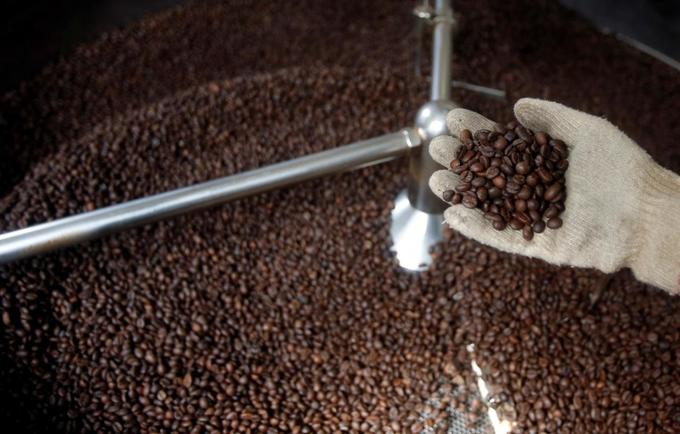
The singular focus on ice cream increases Magnum’s exposure to price fluctuations in cacao bean and sugar but also offers an opportunity to tailor its commodities hedging and risk management strategies. Although trade restriction could disrupt its supply chain and escalate costs, Desai mentioned that local production in the U.S. has largely protected the company from the impact of U.S. tariffs on imports.
How is Magnum Ice Cream Company positioning itself in the market?
Magnum is positioning itself as a business solely focused on ice cream, relying on the enduring appeal of indulgent treats.
How is Magnum responding to the rising popularity of weight-loss drugs?
Magnum recognizes the challenge but remains optimistic about long-term product demand. Adaptation strategies include the introduction of products more focused on hydration and protein, as well as lower-sugar options and smaller portions.
How is Magnum handling the impact of trade tariffs?
Despite potential disruptions to its supply chain and increased costs due to trade restrictions, local production in the U.S. has largely mitigated the impact of these tariffs, according to Sandeep Desai.