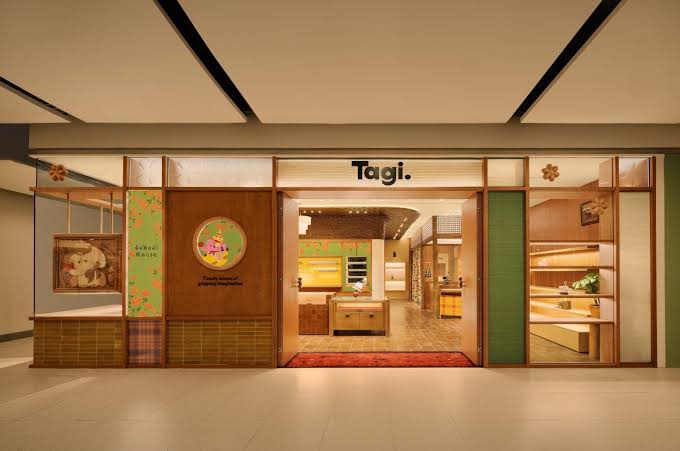
As the sun dipped below the skyline, transforming Tsim Sha Tsui into a lively tableau of lights and sounds one Friday evening in mid-June, a curious scene unfolded at Prince Beef Brisket and Offal Noodles. While the neighborhood hummed with the excitement of tourists and locals alike, eager patrons flocked to other dining spots, leaving the modest noodles shop eerily quiet. Just steps away, the sleek ambiance of Hefu Noodle drew a steady stream of customers into its stylish, spacious interior, proving a stark contrast to Prince’s dimly lit confines.
“They have taken away half of our business since they opened in December,” Ms. Fung, a dedicated employee at Prince Noodles, expressed with palpable sadness. “Their mainland owner has deep pockets for top-notch decorations.” This sentiment resonates all too well in today’s cutthroat retail landscape where every detail counts and competition can be both a challenge and a catalyst for innovation.
The influx of visitors to the more visually appealing Hefu has not just drained traffic but has nearly turned Prince’s once-bustling noodle shop into a ghost of its former self.
As retail environments evolve, the importance of ambiance and experience grows ever more critical. Hefu’s higher investment in aesthetics isn’t merely a frivolous expense; it’s a strategy that seems to pay dividends in attracting customers who are not just seeking a meal, but an experience.
In a region that thrives on sophisticated taste and quality dining, even the smallest enhancements can tip the scales in favor of one establishment over another. In this case, it appears the allure of a polished dining atmosphere has won over traditional comforts.
And while Prince Beef Brisket and Offal Noodles may not offer the same polished experience, there’s a certain charm to its simplicity that can’t be overlooked. Indeed, for many, a quick, hearty bowl of noodles is a classic comfort, reminiscent of home, where the depth of flavor is king—not the glittering decor. Still, as Ms. Fung reflects on the changing tide, it’s clear that retaining loyal customers while attracting new ones will require a delicate balance between tradition and modernization.
As competition intensifies in Tsim Sha Tsui, legacy brands like Prince must navigate the shift in consumer expectations. The challenge lies in successfully merging their rich culinary heritage with the contemporary dining trends that are sweeping the region. Whether through strategic renovations, innovative menu offerings, or enhanced customer experience, the path forward will demand creativity and nimble adjustments.
How has Hefu Noodle impacted its competition since opening?
Hefu Noodle has significantly affected nearby establishments like Prince Beef Brisket and Offal Noodles, reportedly siphoning off about half of their customer base since its inception in December last year.
What factors are driving customer preferences in Tsim Sha Tsui?
Consumers are increasingly drawn to restaurants that offer a visually appealing atmosphere alongside quality meals. The combination of aesthetics and a great dining experience is becoming essential for attracting patrons.
What challenges do legacy brand restaurants face today?
Legacy brands must adapt to changing consumer expectations that prioritize an appealing dining environment alongside traditional comfort foods. This can mean investing in renovations or updating their menus to remain competitive.