The retail landscape in Asia is witnessing a striking transformation as digital shopping experiences increasingly complement traditional brick-and-mortar stores. Consumers are embracing a fusion of online convenience and in-store engagement, creating a unique shopping atmosphere that retailers must navigate. The latest insights reveal a dynamic shift toward omnichannel strategies, illustrating how brands are innovating to meet evolving consumer needs.
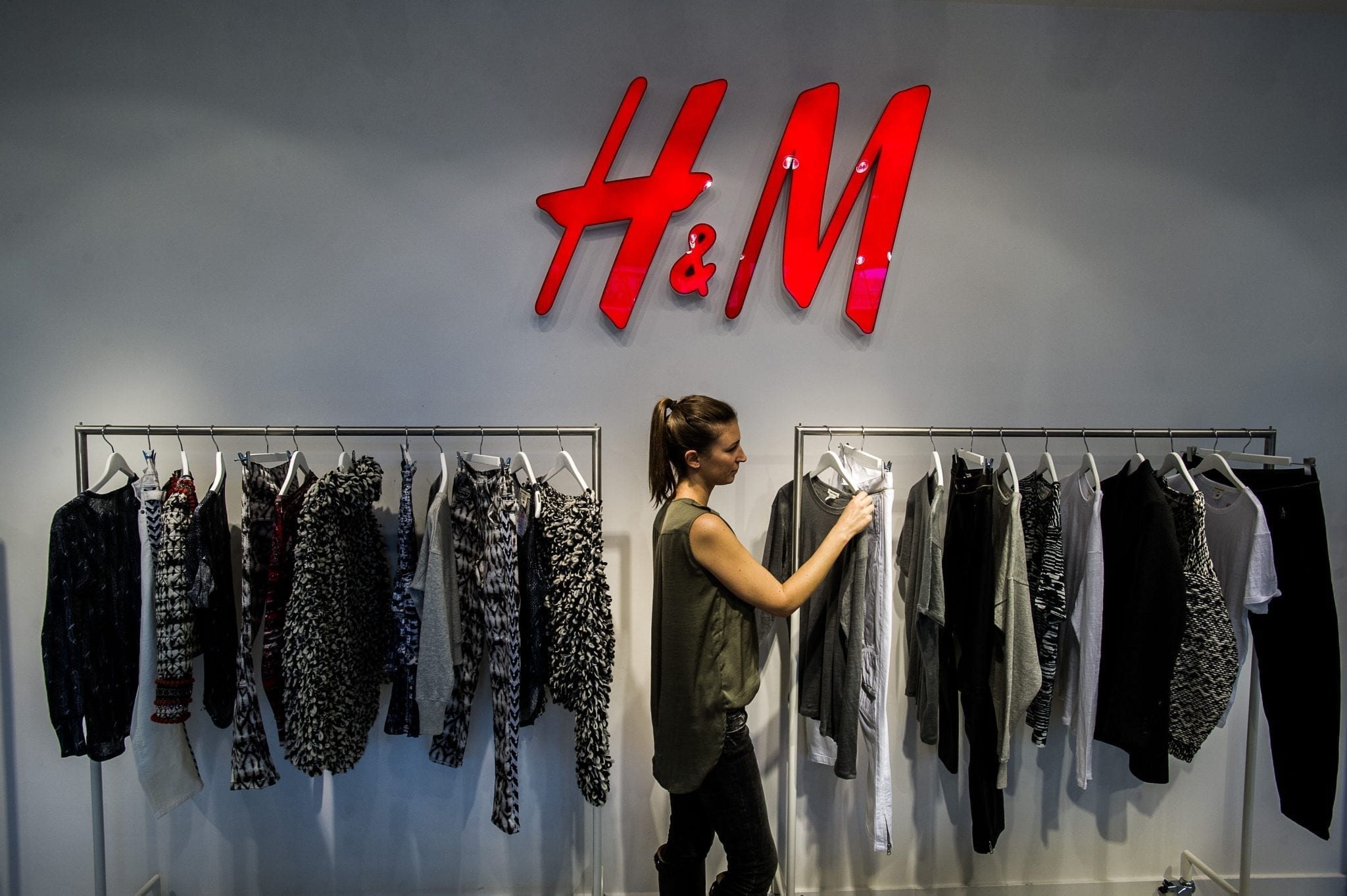
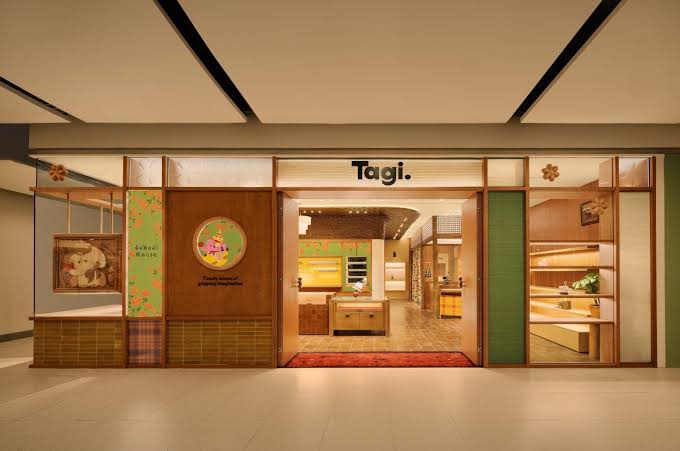
In recent months, surveys indicate that 70% of consumers across major Asian markets prefer a blend of online and in-store shopping. This trend reflects a desire for the tactile experience of physical stores along with the efficiency of digital transactions. While retailers once focused on building standalone online platforms, the game has shifted. Brands are now racing to create seamless shopping experiences that engage consumers at multiple touchpoints — whether through mobile apps, social media, or classic storefronts.
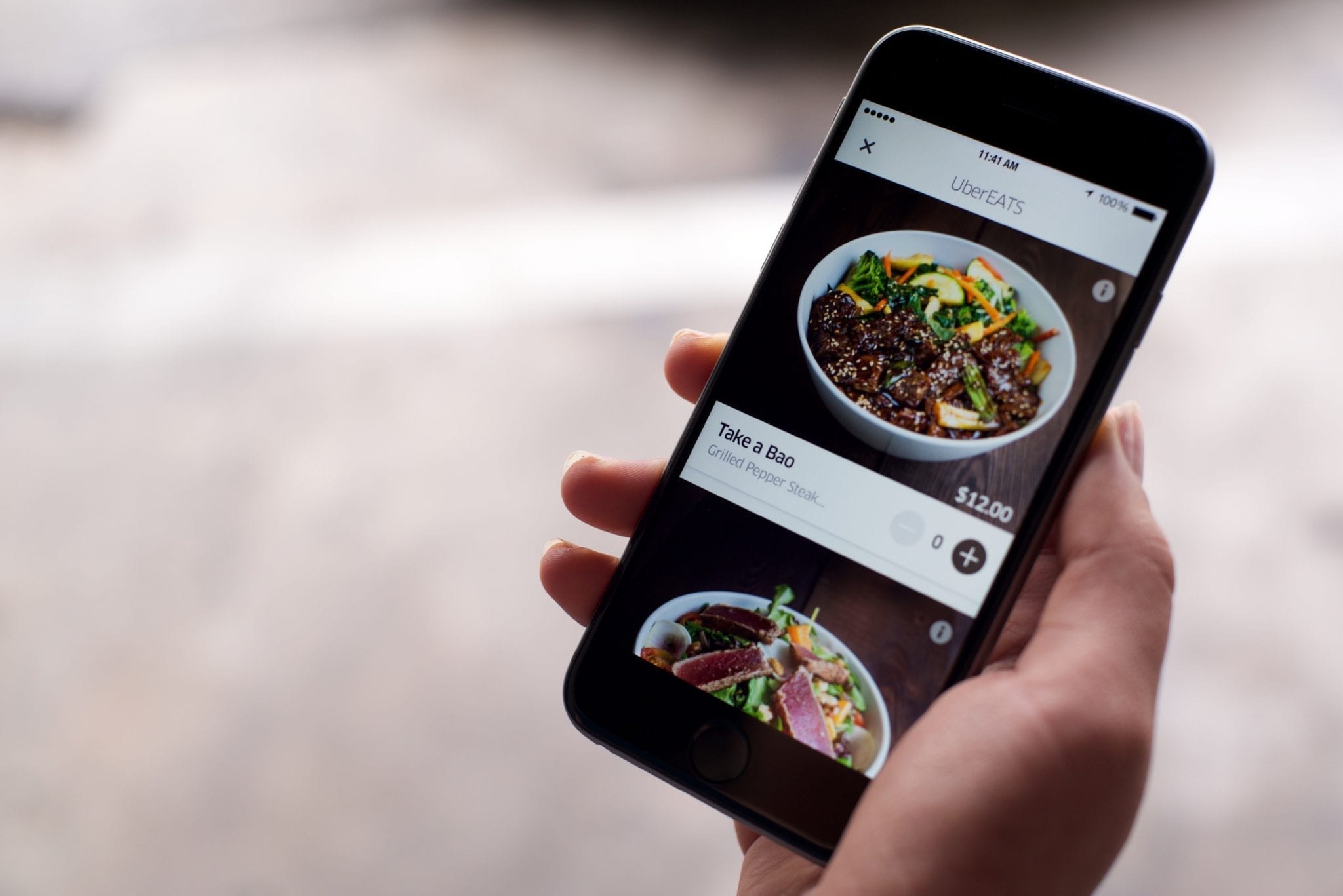
Surprisingly, a recent study found that 58% of millennials are likely to make impulse purchases driven by social media ads. Brands like Shopee and Lazada are capitalizing on this trend by integrating social commerce features into their platforms, transforming how products are showcased and sold. The playfulness of an Instagram story can lead to a purchase just as easily as a walk through a retail aisle.
Amid this transformative environment, artificial intelligence is emerging as a vital tool for personalization. Retailers are harnessing AI algorithms to analyze consumer behavior and tailor shopping experiences that resonate with individual preferences. The results are impressive, with brands reporting up to 30% increases in conversion rates when leveraging AI-driven personalization strategies. As one industry insider noted, “When your shopping experience feels like it was designed just for you, how can you resist?”
Moreover, sustainability is becoming a pivotal factor in consumer purchasing decisions. A staggering 65% of shoppers in Asia now prioritize buying from brands that demonstrate strong environmental commitments. Eco-conscious initiatives, such as sustainable packaging and ethical sourcing, are more than just buzzwords; they are becoming essential components of a brand’s identity in today’s market. Retail giants are not just selling products; they’re selling values, and consumers are taking note.
As the retail sector continues to evolve, challenges persist. Supply chain disruptions and shifting regulatory landscapes test the resilience of even the most established brands. Yet, with every challenge comes an opportunity. Retailers that adapt to these changing dynamics—through enhanced technology integration, innovative customer engagement strategies, and a commitment to sustainability—are poised to thrive in the new era of retail.
What percentage of consumers in Asia prefers a combination of online and in-store shopping?
Seventy percent of consumers across major Asian markets prefer a blend of both online and in-store shopping, reflecting the increasing demand for omnichannel experiences.
How is social media influencing shopping habits in Asia?
A study showed that 58% of millennials are likely to make impulse purchases due to social media ads, driving retailers to integrate social commerce features into their platforms.
What role does sustainability play in consumer purchasing decisions?
Approximately 65% of shoppers in Asia prioritize buying from environmentally conscious brands, making sustainability a critical factor in brand loyalty and purchasing behavior.