
In the past decade, global retail supply chains have navigated a storm of challenges, from the COVID-19 pandemic and advancements in artificial intelligence to tariffs and threats to shipping routes. These disruptions have compelled industry leaders to continuously adapt in an environment rife with uncertainty.
According to Kearney, the key to survival lies in understanding three pivotal aspects: what consumers are buying, how they are buying it, and why. Between 2010 and 2020, demand gravitated toward convenience and price. However, a noticeable shift occurred after 2021, with emphasis moving towards essential and value-oriented products. Looking towards 2030, Kearney forecasts a landscape of polarized preferences, with consumers divided between budget-conscious and premium offerings. Retailers are responding by streamlining their assortments, reducing the variety of products in favor of higher-margin, private-label options.
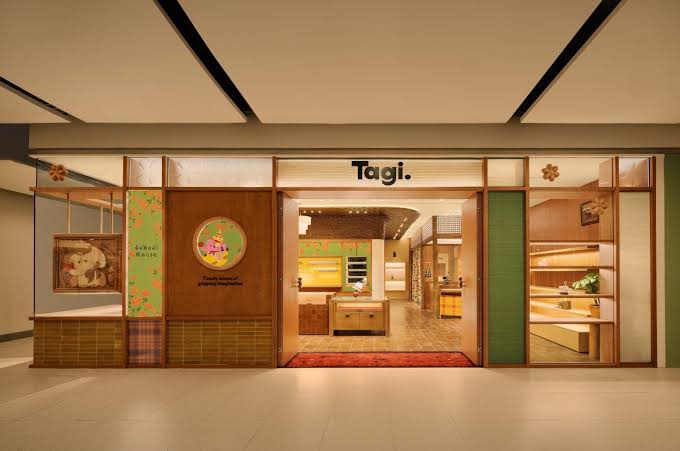
The “how” in retail has undergone a remarkable transformation. A decade ago, shopping was dominated by malls and big-box stores. Today, there is a burgeoning growth of smaller urban outlets and hybrid shopping formats seamlessly blending digital and physical experiences—think cashier-less stores and VR-enhanced retail atmospheres that feel like stepping into the future.
Fulfillment models have also transitioned from distinct e-commerce and in-store approaches to a fully integrated omnichannel strategy. Options like buy online, pick up in store (BOPIS), curbside pickup, and rapid last-mile delivery have become the new norm. As we approach 2030, expect stores to evolve into distribution hubs, enhancing efficiency and accessibility.
Marketplaces are poised to play an increasingly vital role in the fulfillment chain as retailers seek to expand without heavy investments in infrastructure. Meanwhile, the motivations driving purchases are shifting, significantly influenced by digital platforms and ESG (Environmental, Social, and Governance) concerns. Up until 2020, traditional digital ads were the primary traffic drivers; now, platforms like TikTok and innovations within retail media networks are reshaping consumer engagement.
By 2025, it’s anticipated that around 80% of the top 100 U.S. retailers will develop their own media platforms or partner to create them. As AI technology continues to advance, personalizing engagement at scale is on the horizon, while trends like social commerce, community engagement, and buy-now-pay-later options gain traction.
As consumers become increasingly conscientious, expectations for sustainability are on the rise. The traditional compliance-driven approach to corporate social responsibility (CSR) no longer suffices. Shoppers now gravitate towards brands that ensure traceability, ethical sourcing, and effective carbon tracking, basing their purchasing decisions on these values.
Macroeconomic and geopolitical shifts will further transform the retail landscape. Factors such as supply chain disruptions, inflation, and ESG regulations are already influencing demand. Additionally, tariffs and evolving trade policies will necessitate changes in sourcing and pricing strategies. AI innovations are also redefining the rules of engagement when it comes to pricing and planning. In this new era, consumers will be more discerning, favoring brands that resonate with their values and offer swift, seamless services.
Kearney emphasizes that for retailers to build resilience, they must identify risks, diversify their supplier base, and gain greater control over product flow. Flexibility is key, prompting the adoption of agile models that accommodate rapid shifts in demand and distribution channels. Harnessing digital tools for real-time visibility will empower retailers to make quicker, more informed decisions.
Retailers must adjust or risk becoming out of touch—with a little help from AI and a sprinkle of creativity, who knows what wonders await in the future of retail?
What are the three key areas retailers should focus on according to Kearney? Retailers should concentrate on what customers are buying, how they are purchasing, and the underlying reasons for their buying behavior.
How has the shopping landscape changed since 2020? There has been a notable shift towards smaller urban stores and integrated shopping experiences that incorporate both digital and physical elements, moving away from traditional malls and big-box stores.
What does Kearney suggest for retailers to build resilience? Kearney advises retailers to identify risks, diversify suppliers, and adopt agile models, while also leveraging digital tools for quicker decision-making and enhanced supply chain visibility.