As the retail landscape in Asia continues to evolve, consumer preferences are shifting dramatically, blending traditional shopping habits with the rapid adoption of digital technologies. A recent report from China’s National Bureau of Statistics highlights these changes, illustrating a landscape where online shopping has cemented itself as a cornerstone of modern retail.
In 2022, e-commerce sales in China surpassed a staggering 13.7 trillion yuan, a growth surge of over 10% compared to the previous year. This remarkable statistic showcases not only the resilience of online retail during the pandemic but also hints at a deeper integration into the daily lives of consumers. From fashion to electronics, virtual shopping has transitioned from a convenience to a necessity for many. It’s as if consumers realized that their couch could double as a front-row seat to the best sales in town!
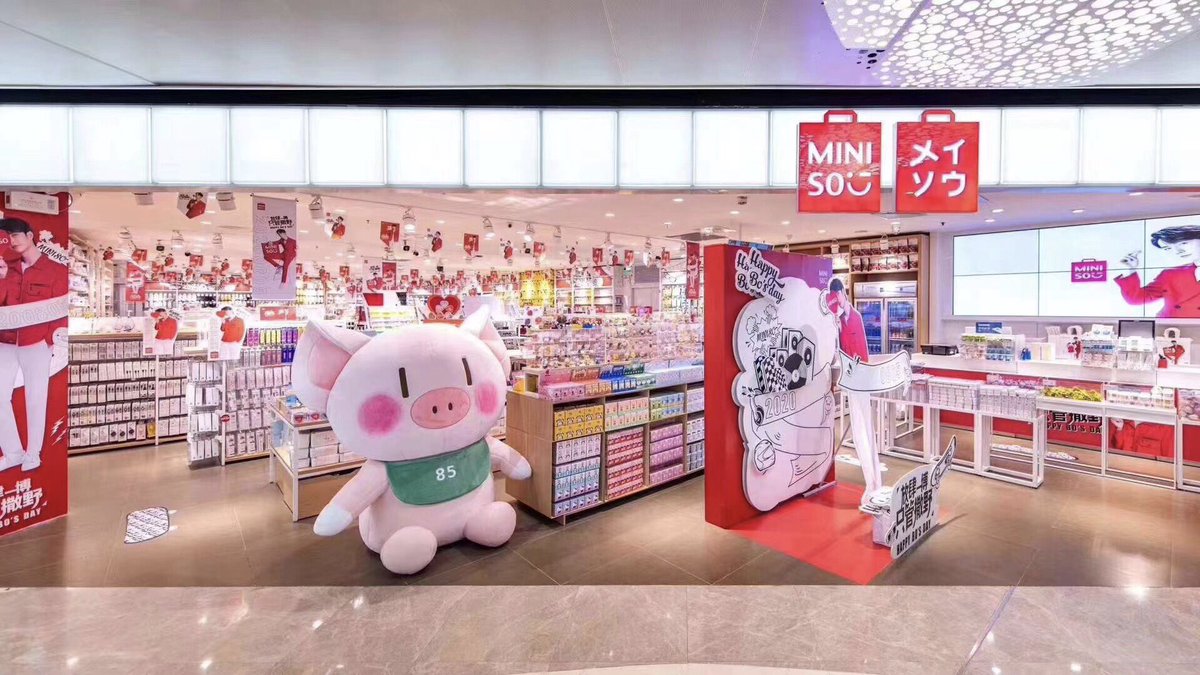
Physical retail isn’t expected to fade away, but it is undergoing a significant transformation. Brands are increasingly prioritizing experiential retail, emphasizing personalized and immersive shopping experiences. Retailers are incorporating technology into brick-and-mortar stores, blending engaging displays with interactive elements. For example, augmented reality (AR) apps allow customers to visualize products in their own homes before making a purchase, striking a perfect balance between the tangible and virtual worlds.
Another trend reshaping the retail environment is the growing emphasis on sustainability. Consumers are becoming more environmentally conscious, often favoring brands that prioritize eco-friendly practices. From packaging to sourcing, businesses are responding by adopting greener methods and materials. With fashion retailers like Uniqlo and Zara leading the way in sustainable collections, it is evident that a “buy less, choose better” mentality is taking hold in the marketplace.
While the outlook may seem promising, retailers face significant hurdles. Supply chain disruptions and inflationary pressures are compelling companies to reassess their pricing strategies and inventory management. As the cost of materials rises, brands must navigate these challenges while keeping consumer trust intact. The balance between maintaining profitability and offering competitive prices will be crucial in the forthcoming months.
In a world where retail dynamics are constantly shifting, those who adapt wisely to these changes will undoubtedly emerge stronger. As Asia’s retail scene continues to innovate, it’s a canvas splashed with opportunities as vivid as the neon lights of a bustling marketplace.
How has online shopping impacted traditional retail in Asia?
Online shopping has fueled significant growth in e-commerce sales, becoming a fundamental part of consumers’ shopping habits while pushing traditional retailers to adapt through experiential approaches.
What role does sustainability play in today’s retail landscape?
Sustainability is becoming increasingly crucial for retailers, as consumers prefer brands that demonstrate eco-friendly practices and a commitment to reducing environmental impact.
What challenges do retailers face in the current market?
Retailers are grappling with supply chain disruptions and rising costs, which necessitate smarter pricing and inventory strategies to maintain competitiveness and consumer trust.