As the retail landscape in Asia continues to evolve, the concept of omnichannel shopping is rapidly gaining traction, reshaping how consumers engage with brands. A recent study highlights the innovative strategies retailers are employing to create a seamless shopping experience that spans both online and physical storefronts.
The survey, which surveyed over 5,000 consumers across major Asian markets, revealed that more than 70% of respondents prefer an omnichannel shopping approach. This affinity indicates a deep-rooted desire for flexibility, allowing shoppers to browse products online while still enjoying the tactile experience of in-store purchases. Retailers are transforming the shopping journey by integrating digital and physical channels, ensuring products are available wherever and whenever consumers wish to engage.
Retailers like Japan’s Uniqlo and South Korea’s Shinsegae are setting the standard by leveraging technology to bridge the gap between online and offline experiences. Imagine walking into a store and finding items that have been filtered through your online wish list—an experience made possible through advanced inventory management systems that sync in real time.
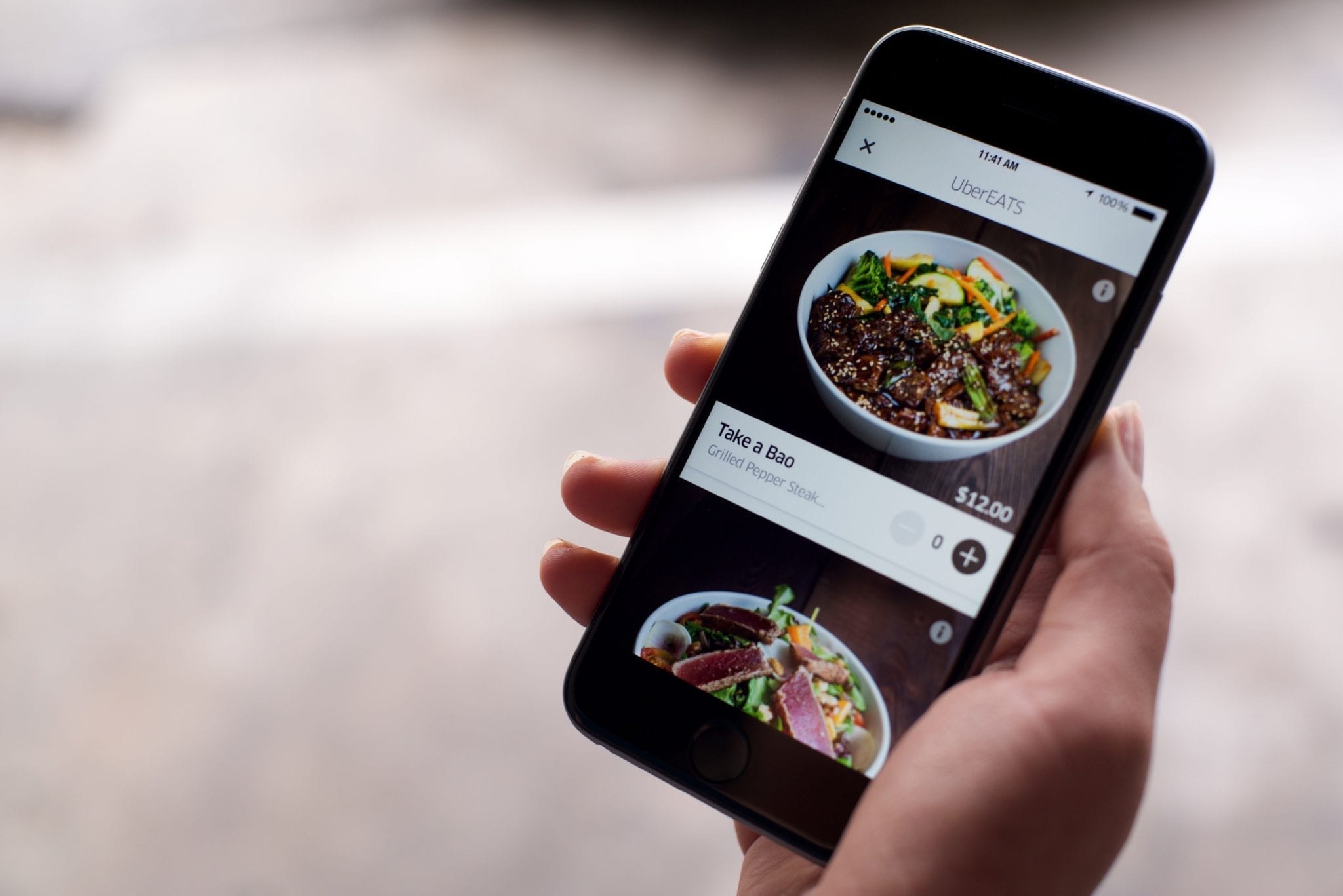
Technology plays a pivotal role in this evolution. Retailers are increasingly adopting mobile apps and interactive kiosks to enhance shoppers’ decision-making processes. In addition, augmented reality is becoming a fun and compelling feature; consumers can now virtually try on clothing or visualize how furniture may look in their homes before making a purchase.
This intersection of convenience and innovation also fosters a sense of community, encouraging brand loyalty in an age where consumer choices are plentiful. The ability to connect with brands through social media platforms, customer reviews, and personalized marketing further solidifies the relationship between retailers and consumers.
However, the omnichannel strategy is not without its hurdles. Companies must navigate supply chain complexities and ensure an equitable distribution of resources to keep pace with consumer demand. Moreover, maintaining a consistent brand experience across channels is critical. Retailers who fail to deliver seamless integration risk alienating a savvy customer base that values cohesion and clarity.
As brands venture deeper into the omnichannel realm, the industry’s dynamics are sure to transform further. A little sprinkle of creativity could turn even the most mundane shopping task into an unforgettable experience—and isn’t that what we’re all after?
What is the main finding of the recent study regarding omnichannel shopping in Asia?
The study found that over 70% of consumers in major Asian markets prefer an omnichannel shopping approach, highlighting their desire for flexibility in how they engage with brands.
How are retailers like Uniqlo and Shinsegae enhancing the omnichannel experience?
These retailers are leveraging technology such as advanced inventory management systems and mobile apps, enabling a seamless experience where online wish lists translate directly to in-store offerings.
What challenges do retailers face while implementing omnichannel strategies?
Retailers must tackle supply chain complexities and ensure consistent brand experiences across channels to retain customer loyalty in an increasingly competitive market.